
How to clean a water tank
A clean tank is the first step to safe water at home. This guide takes you through draining, scrubbing, disinfecting and rinsing your overhead or underground tank, then treating the fresh water so it stays safe to drink. It applies to the tanks found on most homes in Pakistan.
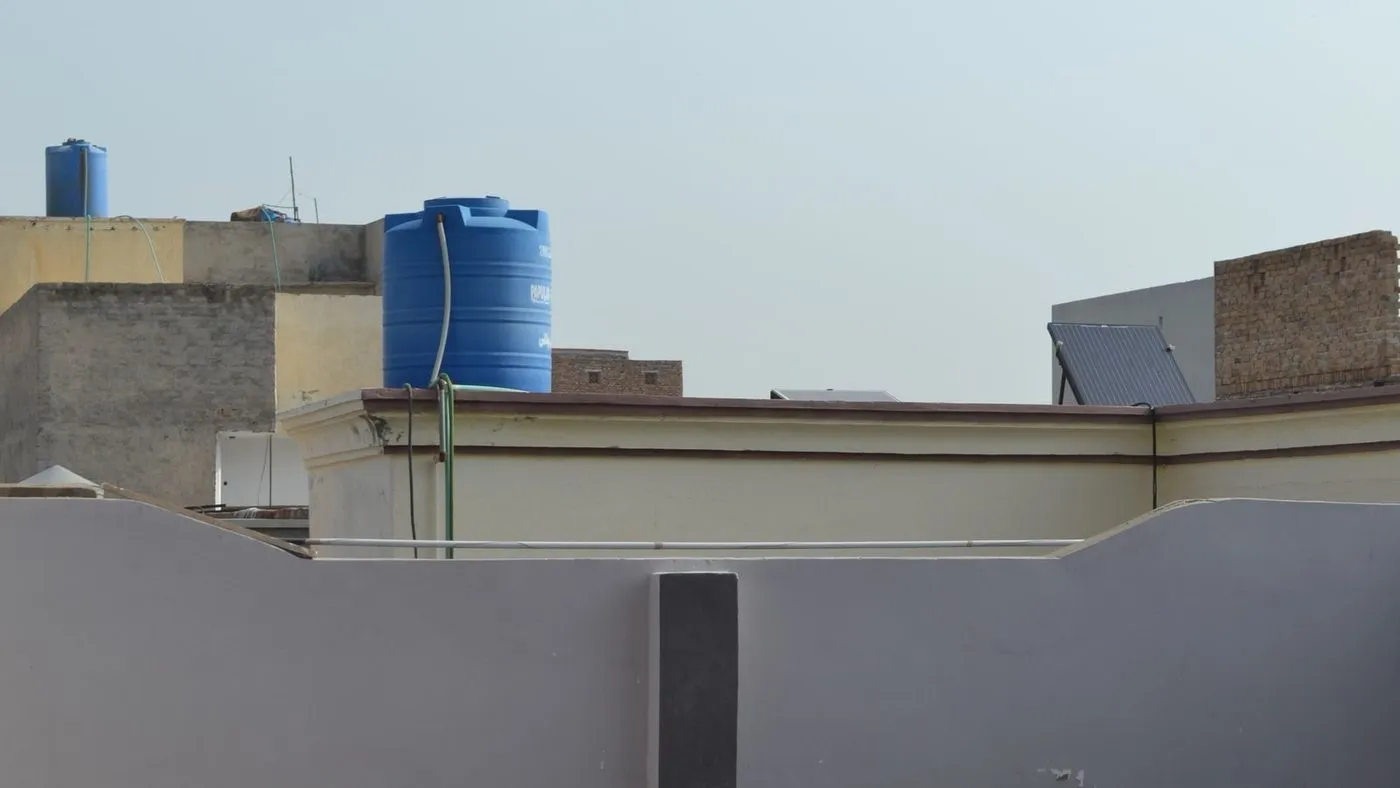
Cleaning is only half the job
It is worth asking what you are cleaning the tank for. Scrubbing removes the sediment and the film of scum on the walls, and that matters, because that film shelters bacteria and the brain eating amoeba and feeds them. But the moment the tank is refilled, the fresh water begins to warm, and with nothing to hold it back, it is recolonised within days. A tank that is cleaned but not treated does not stay safe, it simply starts again.
This is the part most people miss. The cleaning strips away the buildup, and a water purification tablet then holds a chlorine guard in the clear water, so it stays safe between cleanings. The two work together, and the cleaning without the tablet leaves the job half done. The tablet is not an extra, it is the reason you cleaned the tank in the first place, to hold safe water, not just a clean empty tank.
The right Aquatabs for your tank
Cleaning only empties the tank. One tablet dropped into the full tank is what keeps the water safe as it stands, and which pack you need depends on how big your tank is. Every pack below also comes with free tablets for drinking water when you travel.
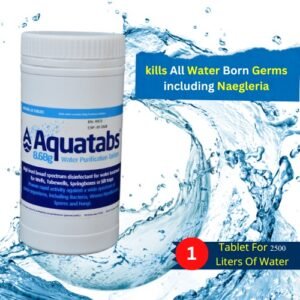
Aquatabs 8.68g
One tablet treats 2,500 litres- 1 pack of 20 tablets, 33mg
- 1 pack of 20 tablets, 67mg
- 1 pack of 6 tablets, 500mg

Aquatabs 1.7g
One tablet treats 500 litres- 1 pack of 20 tablets, 33mg
- 1 pack of 20 tablets, 67mg
Why it matters in Pakistan
Overhead and underground tanks sit for days between fills, and in the heat they warm up, which lets a slimy film, called biofilm, and bacteria grow on the walls and floor. Dust, insects, and sediment settle in too. Cleaning the tank on a regular schedule, and treating the water once it is refilled, keeps what comes out of the tap safe for your family.
How often should you clean it
How often a tank needs cleaning depends on where you live and how your water arrives. As a sensible rule for most homes in Pakistan, clean the tank at least twice a year, and more often through the summer, when the heat speeds the growth on the walls. Clean it without waiting whenever the supply has been dirty or discoloured, after a flood, after any repair to the line, or if you notice a smell, a film, or particles in the water. An underground tank, which takes in the first flush of a returning supply, usually needs attention more often than an overhead one.
What a clean looking tank hides
Cut a tank open and the water on top can look perfectly clear while a film of biofilm coats the walls and a layer of sludge sits at the bottom, both sheltering the bacteria and the amoeba you cannot see. A dissolving tablet holds a chlorine guard through the whole tank, so what reaches your tap stays safe.
- The water on top looks clear, which tells you nothing about what is below it.
- A film of biofilm coats the walls, where bacteria and the amoeba shelter.
- Sludge and sediment settle at the bottom and feed what grows there.
- One dissolving tablet holds a chlorine guard through all of it, keeping the water safe.
Common tank myths, and the truth
Tap a card to see the truth

Cleaning your tank, step by step
What you will need
- A stiff, clean brush kept only for the tank, and a smaller brush for the corners.
- Gloves, and footwear with grip for a wet floor.
- A bucket, a mug, and a pump or pipe to move out the last of the water and dirt.
- Clean water for rinsing, and a chlorine cleaning solution for the surfaces.
- Aquatabs to treat the fresh water once the tank is refilled.
- 1
Drain the tank
Turn off the inlet and empty the tank completely, through the outlet or with a pump, so no old water is left standing. Work when the tank is already low, so you waste as little water as possible.
- 2
Scrub the walls and floor
With the tank empty, scrub every wall, the floor, and the corners with a stiff brush to lift the biofilm and any settled dirt. Work carefully around the inlet and outlet, where growth gathers most.
- 3
Disinfect the surfaces
Once the loose dirt is gone, wipe the walls and floor with a chlorine cleaning solution and leave it to act for a short while, so the surfaces are disinfected and not just wiped clean. Keep the space ventilated while you work.
- 4
Rinse until the water runs clear
Rinse the loosened dirt and the cleaning solution down to the outlet and flush it right out, then rinse again until the water runs clear, the floor is clean to the touch, and no smell of chlorine is left behind.
- 5
Refill with clean water
Close the outlet, open the inlet, and let the tank fill with fresh water. Check that the lid seals properly, so dust, insects, and sunlight cannot get back in between cleanings.
- 6
Treat the stored water with Aquatabs
Once the tank is full, treat the stored water with Aquatabs so it stays safe to drink. Use the tablet size and amount given on the pack for your tank, and let the water stand for about thirty minutes before use. The water calculator works out the right amount for your tank size, and the large tank sizes are in the shop.
A few tips
- Clean the tank on a regular schedule, and more often in the summer heat and after floods or a dirty supply.
- Wear gloves, keep the space ventilated, and take care on ladders and around an open underground tank.
- A well sealed lid keeps out dust, insects, and sunlight between cleanings, so the water stays cleaner for longer.
Common questions
How often should a water tank be cleaned?+
For most homes in Pakistan, at least twice a year is a sensible minimum, and more often through the summer heat. Clean the tank without waiting after a flood, after a repair to the supply, or whenever the water looks, smells, or tastes wrong.
Can I clean the water tank myself?+
Yes. A household overhead or underground tank can be cleaned by hand with a stiff brush, gloves, and clean water, following the steps above. Take care on ladders and around an open underground tank, and keep the space ventilated. A very large, deep, or hard to reach tank is safer left to two people or a cleaning service.
What is the slime or green film inside the tank?+
The slippery film on the walls is biofilm, a layer of bacteria that grows on any surface left in standing water, and the green tint is usually algae, which needs light to grow. Both are a sign that the tank needs cleaning and that the lid should seal out sunlight. Scrubbing the surfaces and disinfecting them removes the film.
Is it safe to use chlorine to clean a water tank?+
A chlorine cleaning solution is the usual way to disinfect the surfaces of a tank, and it is safe when the tank is rinsed thoroughly afterwards, until the water runs clear and no smell is left behind. The water you later store and drink is treated separately with Aquatabs, at the amount given on the pack.
Do I still need to treat the water after cleaning the tank?+
Yes. Cleaning the tank removes what has settled and grown inside it, but it does not make the incoming supply safe to drink. Treating the fresh water with Aquatabs once the tank is refilled is what keeps what comes out of the tap safe for your family.
How long after cleaning can we use the water?+
Once the tank is refilled and the water is treated with Aquatabs, let it stand for about thirty minutes before use, as the pack directs. Until the tank has been rinsed clear of any cleaning solution and the fresh water has been treated, it is best not to drink from it.
Keep your clean tank safe
A clean tank stays safe only until the water sits again. One tablet in the full tank holds the line. Get your pack, or size it in the calculator first.