
Water safety journal
Case studies, guides, and reports on safe drinking water in Pakistan, and how the right treatment protects your home, your business, and your animals.
25 articles
What the Latest Karachi Naegleria fowleri Death Tells Us About Tank Water
In July 2026 Karachi recorded its first Naegleria fowleri death of the year, in a man who had never been swimming. The lesson is that the danger lives in ordinary tank and tap water, and that a maintained chlorine guard is the protection health officials themselves advise.
Karachi's Tanker Water Crisis: Contamination Risk and the Case for Point-of-Use Treatment
Millions of Karachi households depend on an unregulated private tanker market that carries water of unknown provenance through open storage and repeated handling, exposing families to bacteriological contamination, elevated salinity, and unmonitored groundwater hazards every day.
Lahore's Compounding Water Crisis: Arsenic in the Aquifer and Contamination in the Network
In Lahore, residents face a compounding water safety challenge, an arsenic-bearing aquifer beneath the city and a municipal distribution network that introduces microbial contamination at the point of delivery, together creating one of the most complex urban water risk profiles in Pakistan.
When the Ground Itself Cannot Be Trusted: Arsenic and Industrial Contamination in Faisalabad's Drinking Water
Faisalabad's textile and chemical industries have compounded an underlying geological threat, leaving the city's groundwater burdened with arsenic, chromium, and other heavy metals at concentrations that exceed both WHO guidelines and Pakistan's own environmental quality standards.
Arsenic and Salinity: The Hidden Chemical Crisis in Multan's Groundwater
In Multan, naturally occurring arsenic and persistent groundwater salinity create a chemical hazard that cannot be seen, smelled, or tasted, placing millions of residents at risk of chronic and cumulative harm from the water they drink every day.

When the River Rises: Water Contamination and Flood Risk in Peshawar
Peshawar's ageing distribution network, persistent bacteriological contamination, and the recurring violence of monsoon floods create layered water-safety risks that make point-of-use treatment an essential daily practice rather than a crisis response.

Quetta's Shrinking Aquifer: Shared Sources and the Contamination Risk in Every Container
Quetta's residents depend almost entirely on an over-extracted aquifer and shared delivery points that introduce contamination at every transfer, making household water treatment with an Aquatabs tablet the most immediate safeguard available.

From Pipe to Storage Tank: Bacterial Contamination of Drinking Water in Hyderabad
In Hyderabad, where the Pakistan Council of Research in Water Resources found every monitored supply source bacterially unsafe, the journey water makes from a strained infrastructure to a household storage vessel introduces a second, compounding layer of microbial risk that only point-of-use treatment can close.
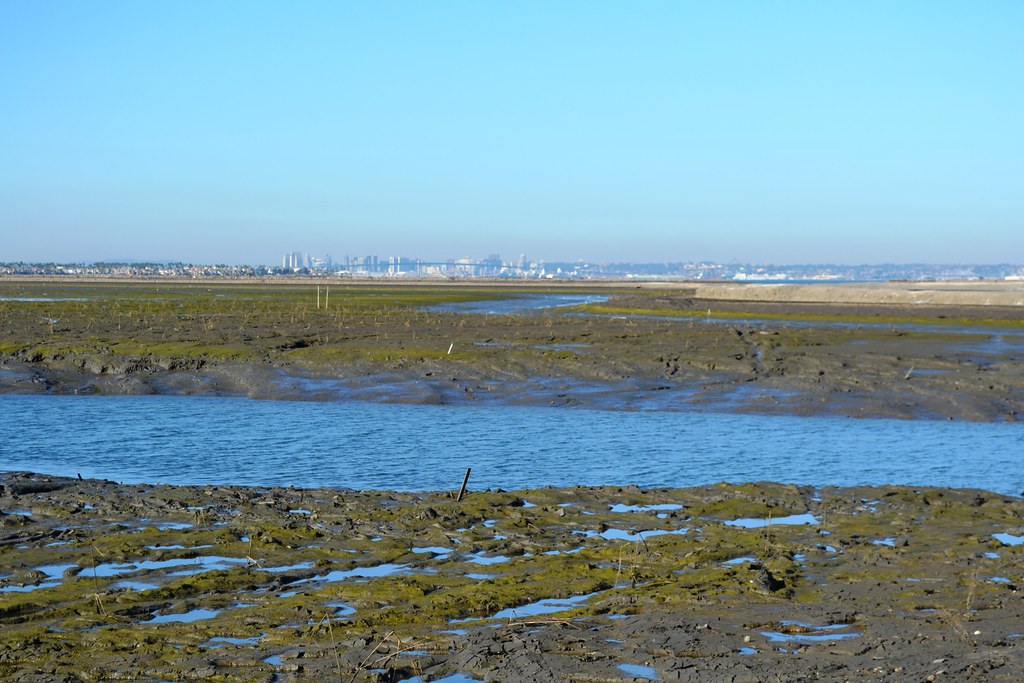
Sukkur's Indus-Drawn Supply: Contamination Risks in a River Under Pressure
Sukkur draws its municipal water from the Indus as it passes through one of the world's most intensively irrigated landscapes, carrying a contamination burden built from agricultural drainage, upstream industrial discharge, and the limits of treatment infrastructure that cannot protect every litre between the plant and the household storage vessel.
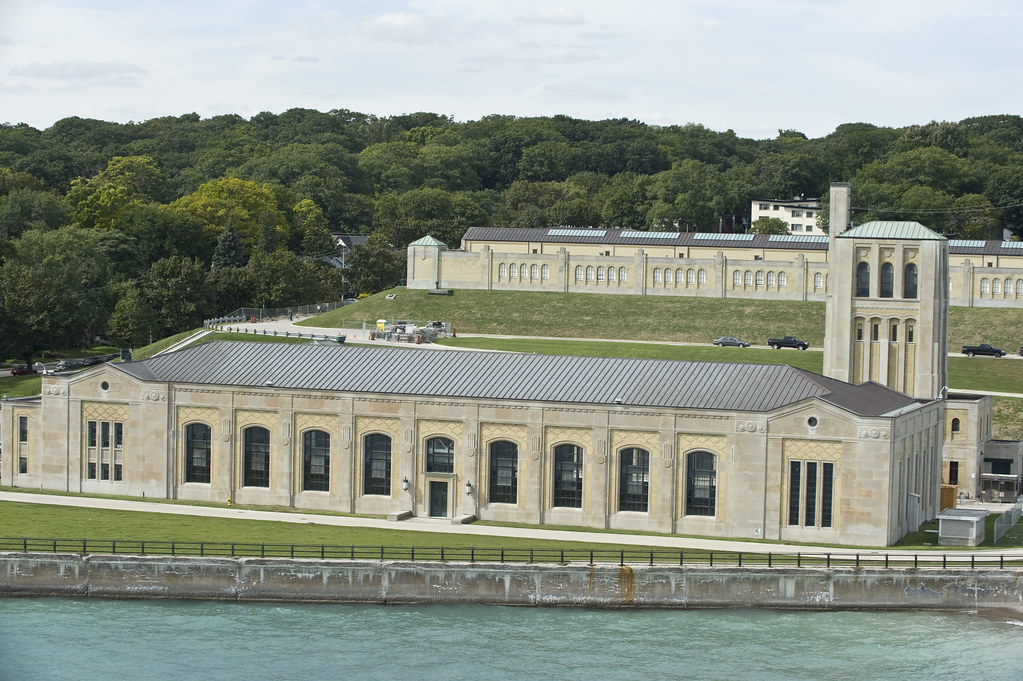
Gujranwala's Groundwater Under Pressure: Industrial Contamination and the Safety of Stored Water
Gujranwala, Pakistan's third largest industrial centre, faces documented groundwater contamination from heavy metals and bacteriological sources, a concentrated reflection of a national water safety crisis that point-of-use treatment can address at the household level.
Groundwater Under Siege: Industrial Runoff and Water Safety in Sialkot
Sialkot's celebrated manufacturing economy discharges an estimated 52 million litres of untreated industrial and municipal wastewater every day into the drains and agricultural land that overlie the shallow aquifer on which the city's residents depend for drinking water.
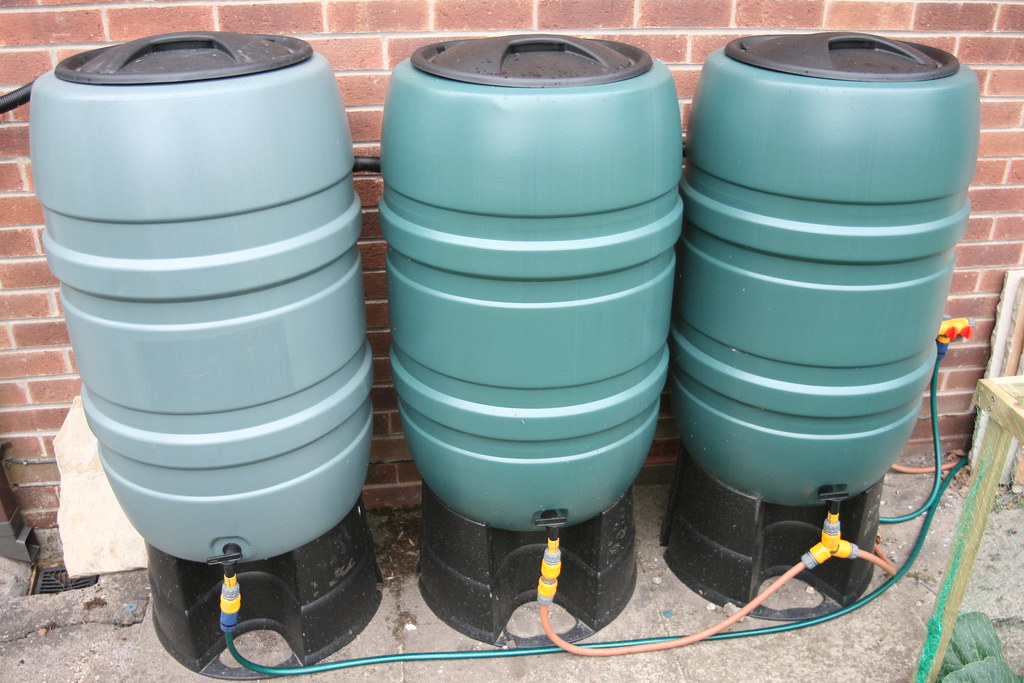
Saline Groundwater and the Safe-Water Challenge in Bahawalpur
Across most of district Bahawalpur, the groundwater is too saline and too contaminated to drink, leaving communities in Cholistan dependent on seasonal rainwater cisterns and tanker deliveries whose biological safety cannot be guaranteed without point-of-use treatment.
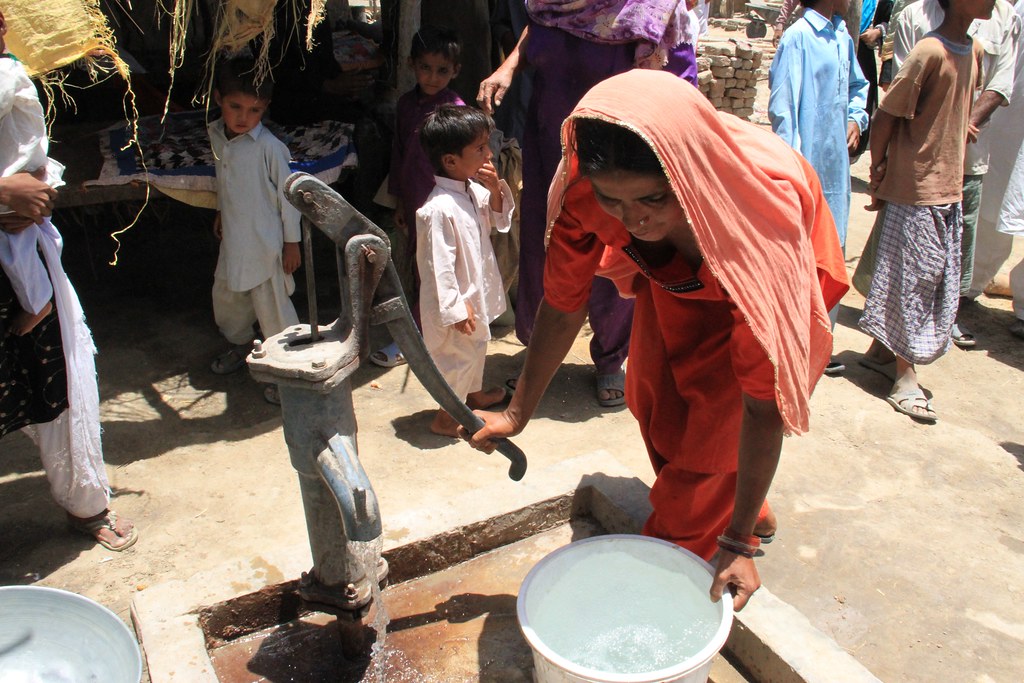
Scarce Wells, Saline Water and Recurring Drought: The Water Safety Crisis in Tharparkar
In Tharparkar, decades of recurring drought combined with groundwater that is overwhelmingly brackish, fluoride-laden and bacterially contaminated have made safe stored water a matter of survival, not convenience.
When the Tap Runs Contaminated: Larkana's Municipal Water Crisis
A landmark survey by the Pakistan Council of Research in Water Resources found that 88 per cent of water samples drawn from underground sources in Larkana failed to meet WHO drinking water standards, placing the city among the most acutely contaminated urban water systems in Sindh.

When the River Rises: Flood Inundation and Drinking Water Contamination in Mardan
When Mardan's monsoon floods breach shallow wells and reverse the pressure in piped supply lines, stored household water becomes a vehicle for the same bacterial and viral pathogens that, according to a provincial health study, drive roughly 80 per cent of all infections recorded across Khyber Pakhtunkhwa.
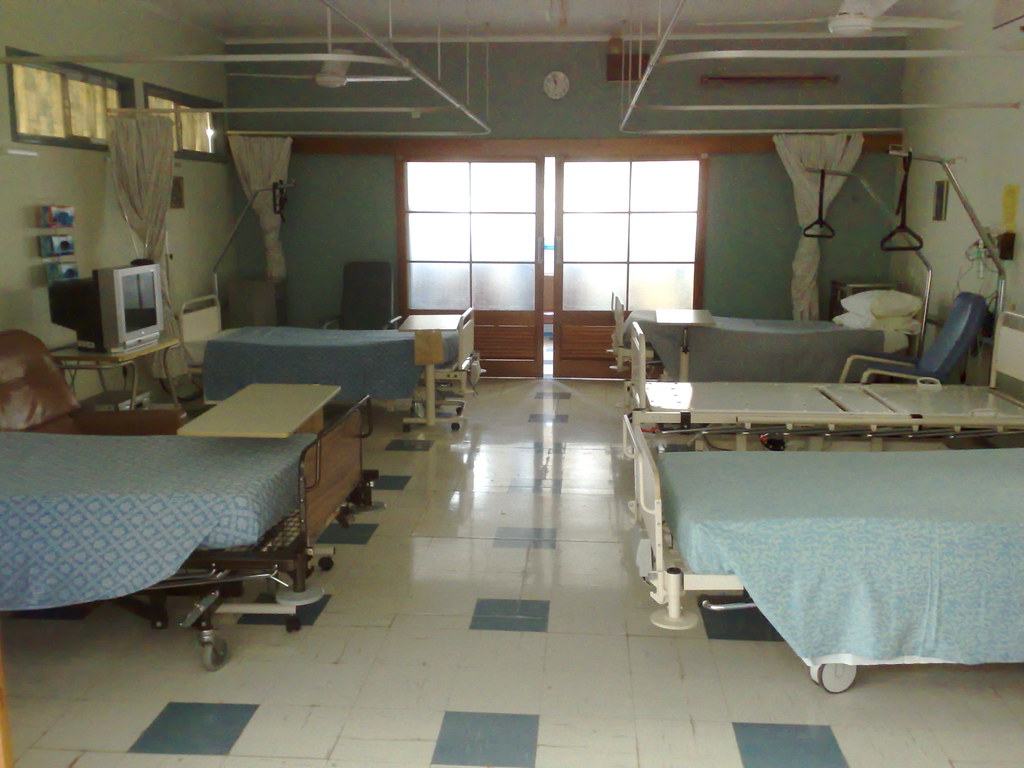
Safe Water in Pakistani Hospitals: Infection Control and the Case for Reliable Point-of-Use Treatment
Bacteriological contamination of water sources across Pakistan poses a documented and persistent threat to infection control within hospital settings, where the consequences of unsafe water fall on the most medically vulnerable people in the country.
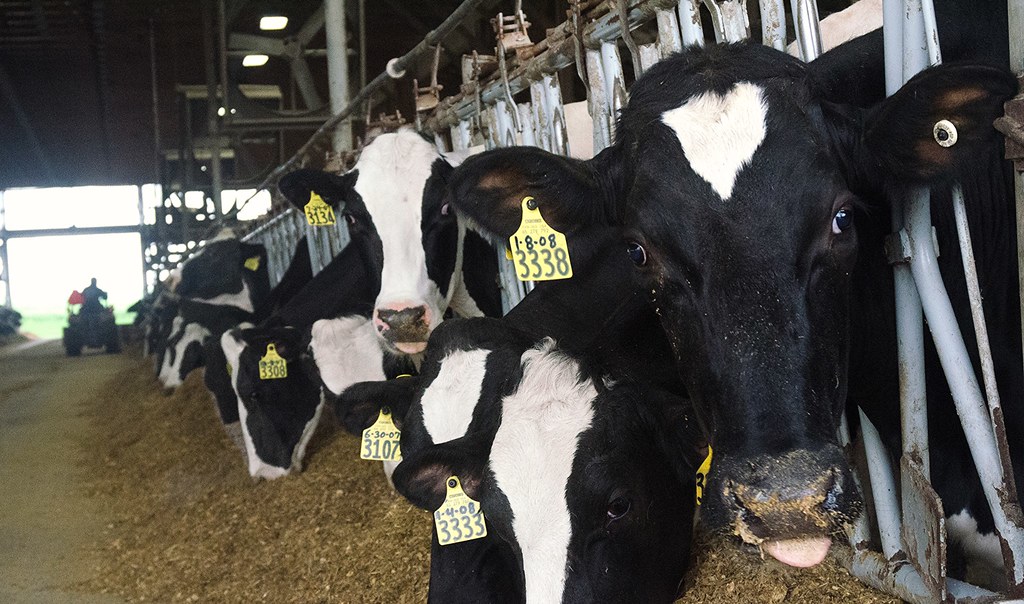
Clean Water for Dairy and Cattle Herds: Protecting Livestock Health and Yield in Pakistan
Contaminated water is a quiet but measurable drain on livestock health and dairy yield across Pakistan, and national data from the WHO and UNICEF Joint Monitoring Programme and PCRWR shows that the problem is systemic in scale.
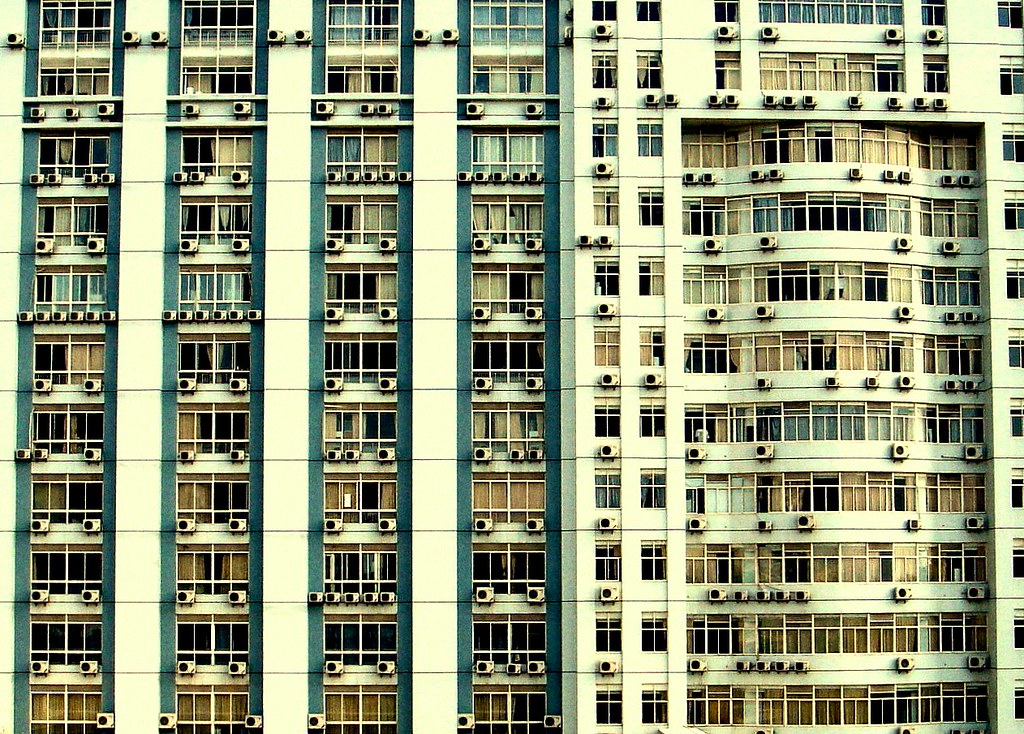
Shared Water Tanks in Housing Societies: A National Contamination Risk
Pakistan's urban housing societies rely on shared overhead and underground tanks that routinely recontaminate water after it leaves the mains supply, exposing residents to bacteriological hazards that national monitoring confirms affect the majority of tested sources across the country.
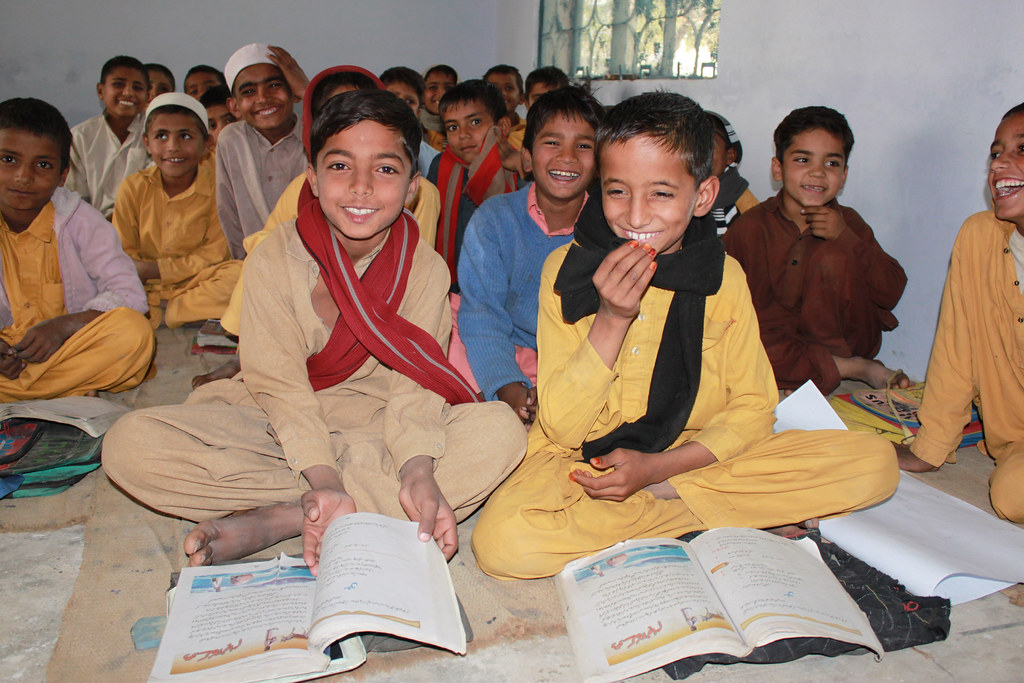
Safe Drinking Water in Pakistan's Schools: A Documented National Risk
Contaminated drinking water in Pakistan's schools exposes millions of children each day to preventable waterborne illness and long-term harm to their health and learning, as documented by PCRWR, UNICEF, and peer-reviewed research across the country.

Water Safety in Hotels, Restaurants, and Catering: A National Risk Assessment for Pakistan
Across Pakistan's hotels, restaurants, and catering operations, the water used to wash produce, prepare food, and serve guests carries the same contamination risks as the national supply, with sixty-one per cent of sources monitored by the Pakistan Council of Research in Water Resources found unsafe for human consumption.
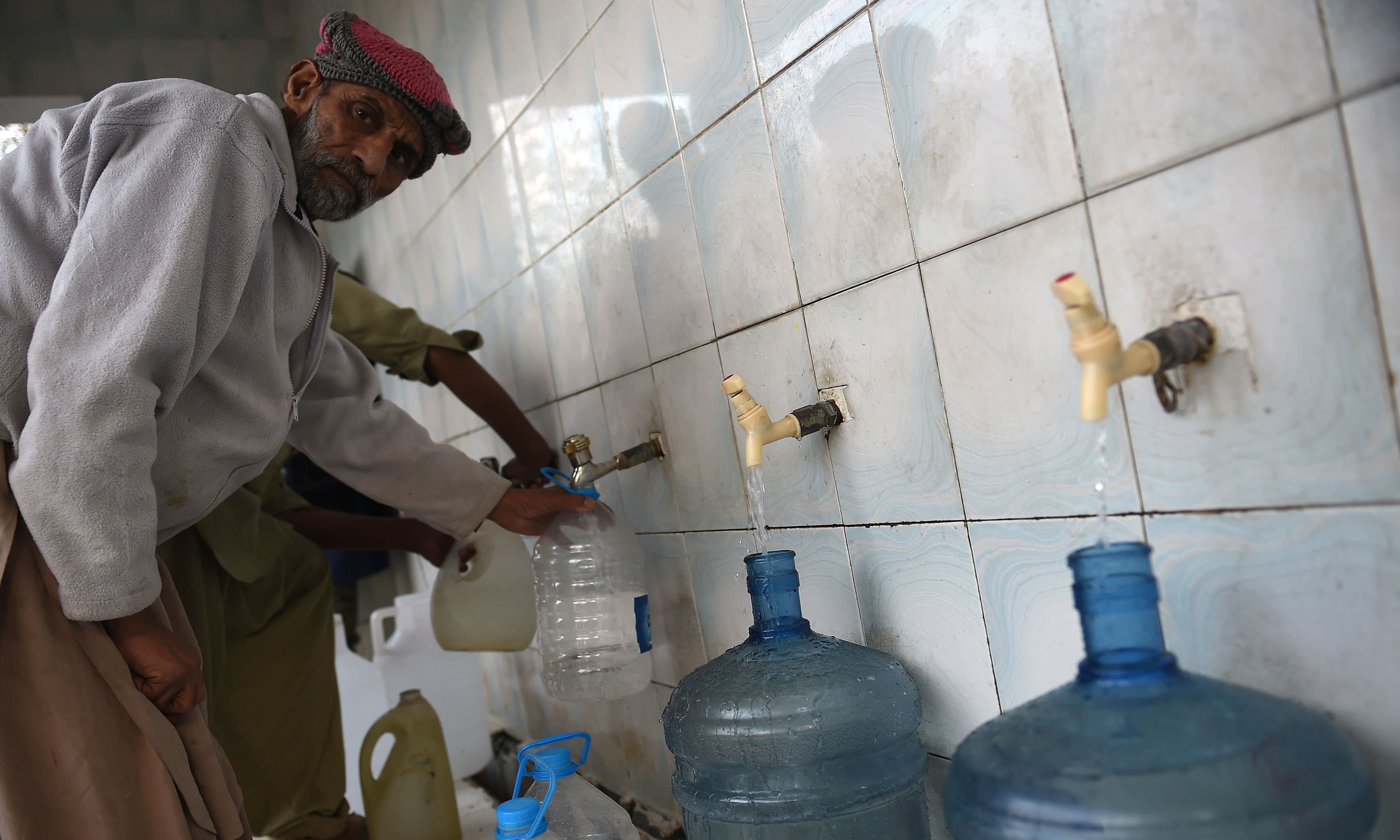
Safe Water in Emergencies: Point-of-Use Treatment for Pakistan's Relief Sector
When floodwaters inundate Pakistan's water infrastructure and displace millions of people to temporary shelters, relief organisations require a practical, portable, and immediate response, and point-of-use treatment with certified chlorination tablets is precisely that.
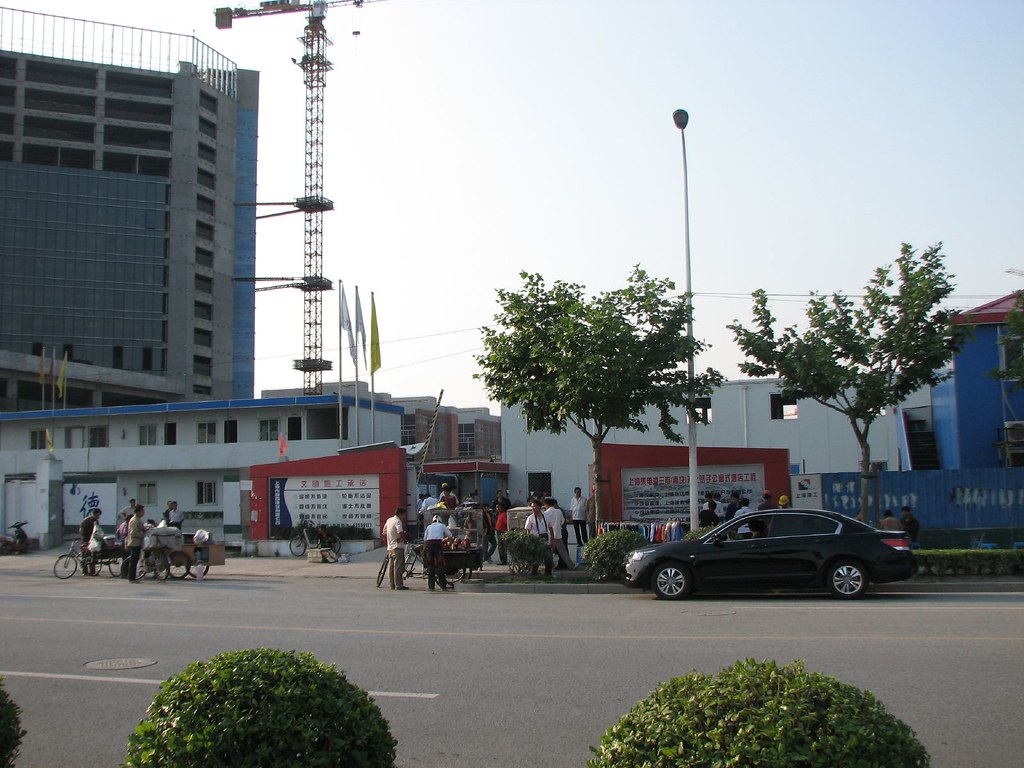
Safe Drinking Water on Pakistan's Construction Sites
Millions of construction workers in Pakistan spend long shifts in harsh outdoor conditions relying on stored water that, without treatment, carries a significant and preventable risk of waterborne disease.

Safe Water at Sea: Protecting Pakistan's Marine and Fishing Crews
For the hundreds of thousands of Pakistanis who work at sea, safe drinking water is not a domestic convenience but a daily survival requirement, and tablet-based point-of-use treatment offers the simplest available answer to one of the maritime sector's most preventable health threats.

Safe water for poultry and livestock farms
On a farm, water reaches every animal every day. Clean drinking water protects the flock and the farm output at once.

Water quality in Rawalpindi and Islamabad
In the twin cities, tank and bottled water both carry risk. Here is why, and how treating the water you store keeps it safe.