
Clean water is the quiet lever in flock performance
A flock drinks far more water than it eats, so the drinking water is one of the largest single inputs on any poultry farm, and one of the easiest to get wrong. When the water is clean, birds drink freely, feed converts well, and disease has one less way in. When it is not, the cost shows up quietly across the whole shed. This is a practical guide to keeping poultry drinking water clean, from the people who have supplied the trade since 2008.
Why the water matters more than it seems
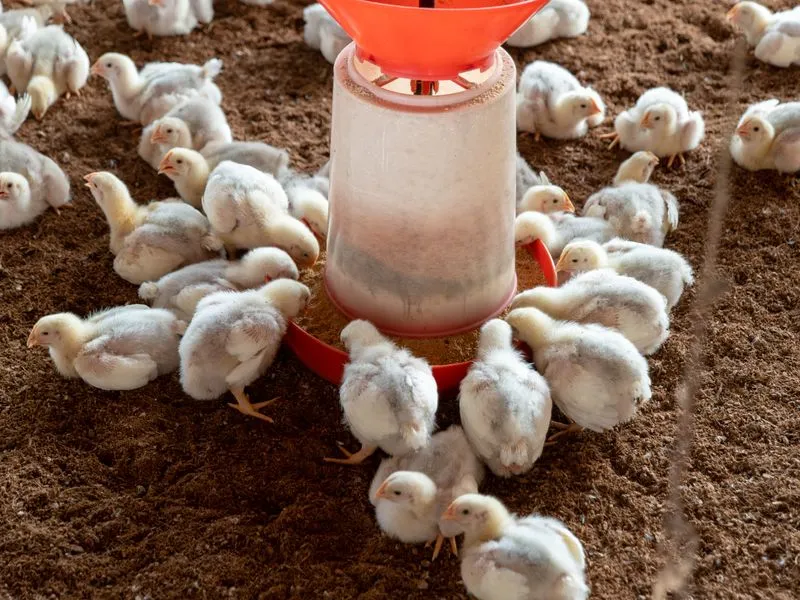
Water touches everything a bird does. It carries feed through the gut, it regulates body temperature in the heat, and it delivers the vaccines and medicines given through the line. Because a flock drinks so much of it, even a small drop in water quality reaches every bird, several times a day. Dirty or warm water lowers intake, and lower intake pulls down feed conversion and growth long before any bird looks unwell. Clean water is not a cost, it is one of the cheapest ways to protect the performance of the flock.
The biofilm hiding in the drinker line
In Pakistan's heat the header tank and the nipple lines warm quickly, and water standing in them becomes a place for a slimy film, called biofilm, to grow on the inside surfaces. That film shelters bacteria from the water around it, it can slow or block the flow at the nipples, and it interferes with the vaccines and medicines you deliver through the water, so a treatment given through a dirty line may never reach the birds as intended. The line can look clear from the outside while the trouble sits within it.
A water sanitation routine
The answer is not a single clean but a routine. Treating the drinking water on a set schedule keeps the line clear and the water fresh, so the birds keep drinking and the biofilm has no chance to establish. The right product and the right amount for your system are set by the pack and by your veterinary advice, so follow those rather than a fixed figure, and where a value is not printed, treat see packaging as the instruction rather than a guess.
Cleaning the lines between flocks
The best moment to deal with the line thoroughly is when the shed is empty between flocks. With the birds out, the header tank and the water lines can be flushed and disinfected properly, breaking down any biofilm that has built up over the last cycle, so the next flock starts on a clean system. The same care applies to the storage tank that feeds the shed.
Read our water tank cleaning guideThe products for poultry water
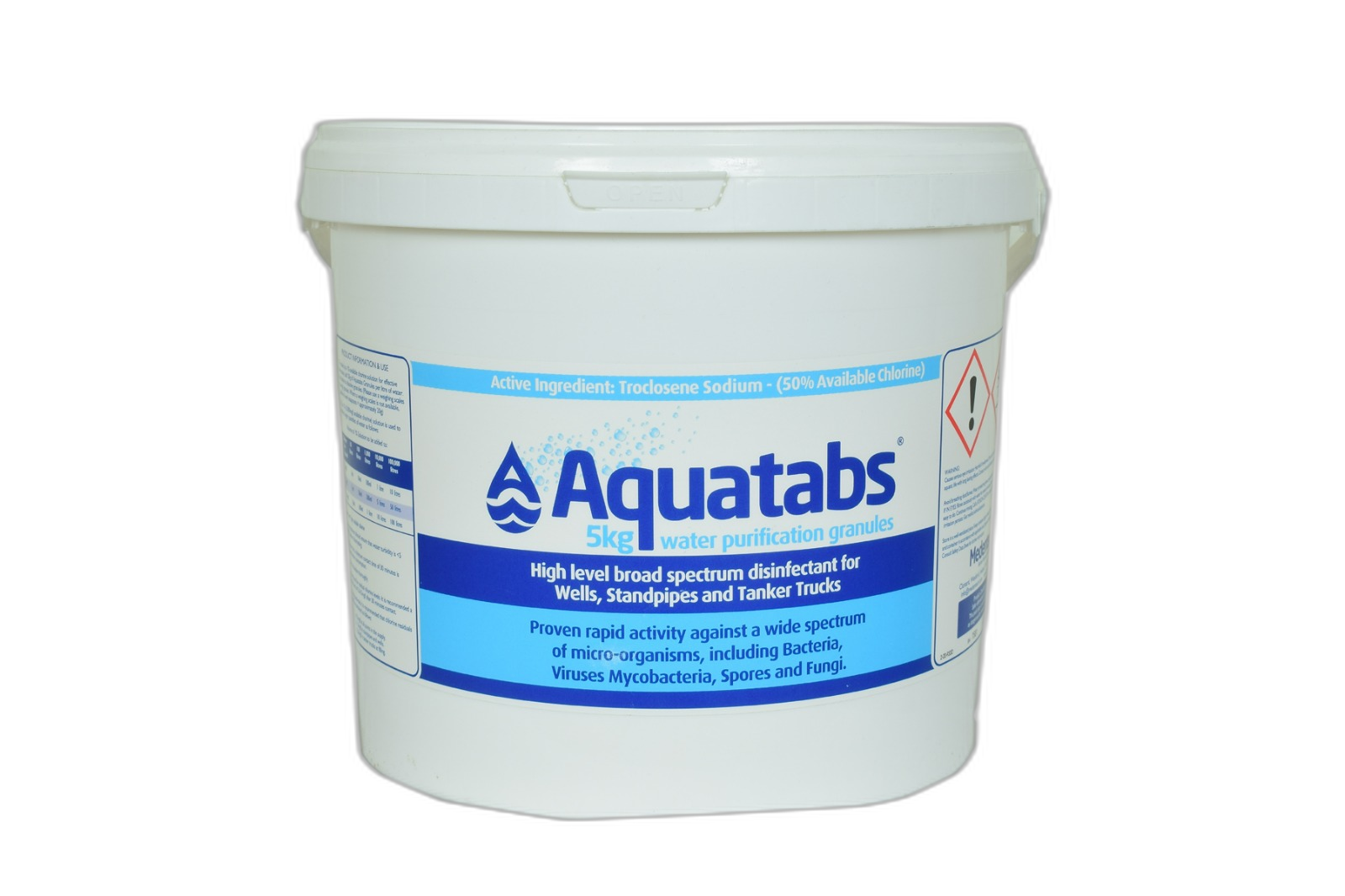
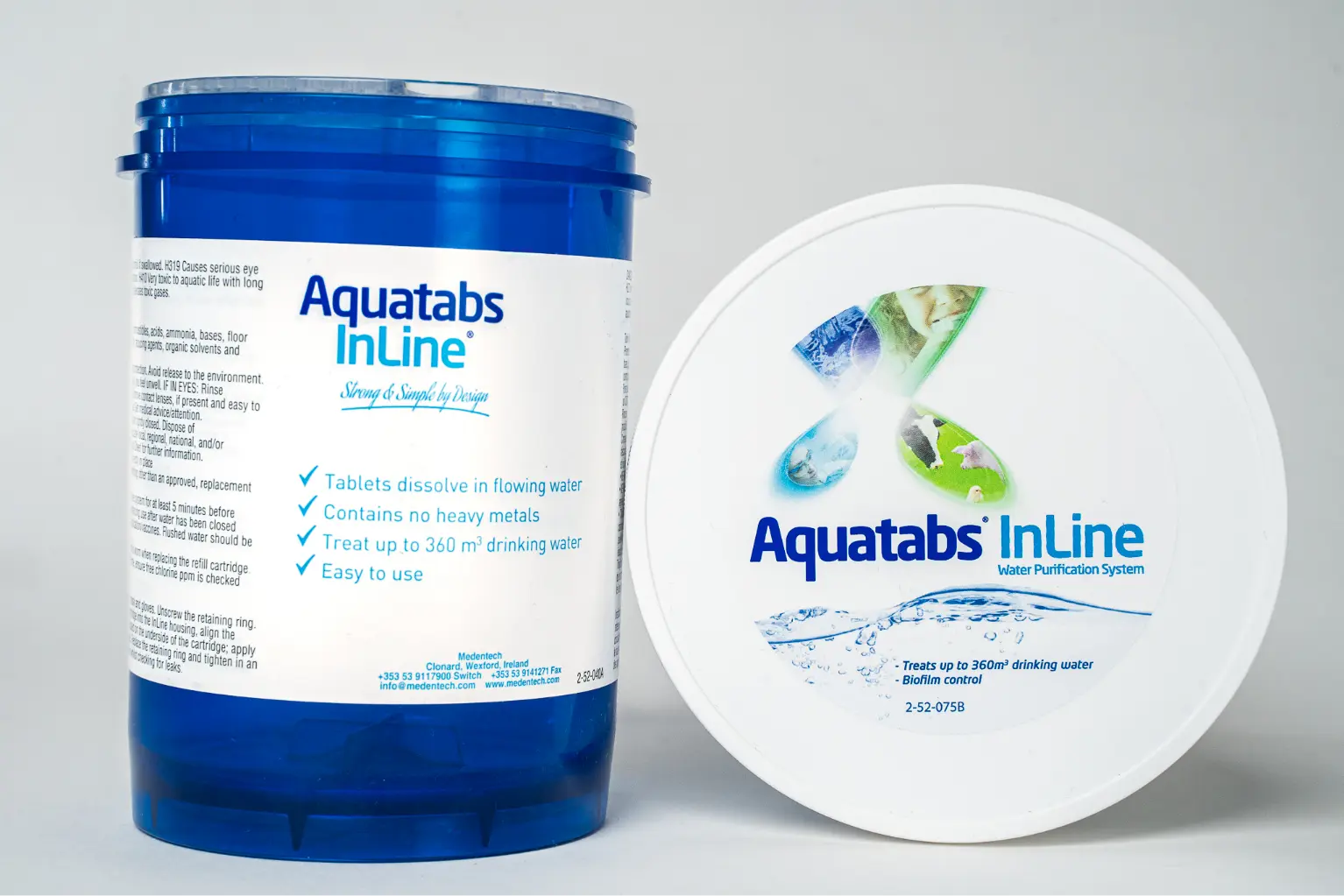
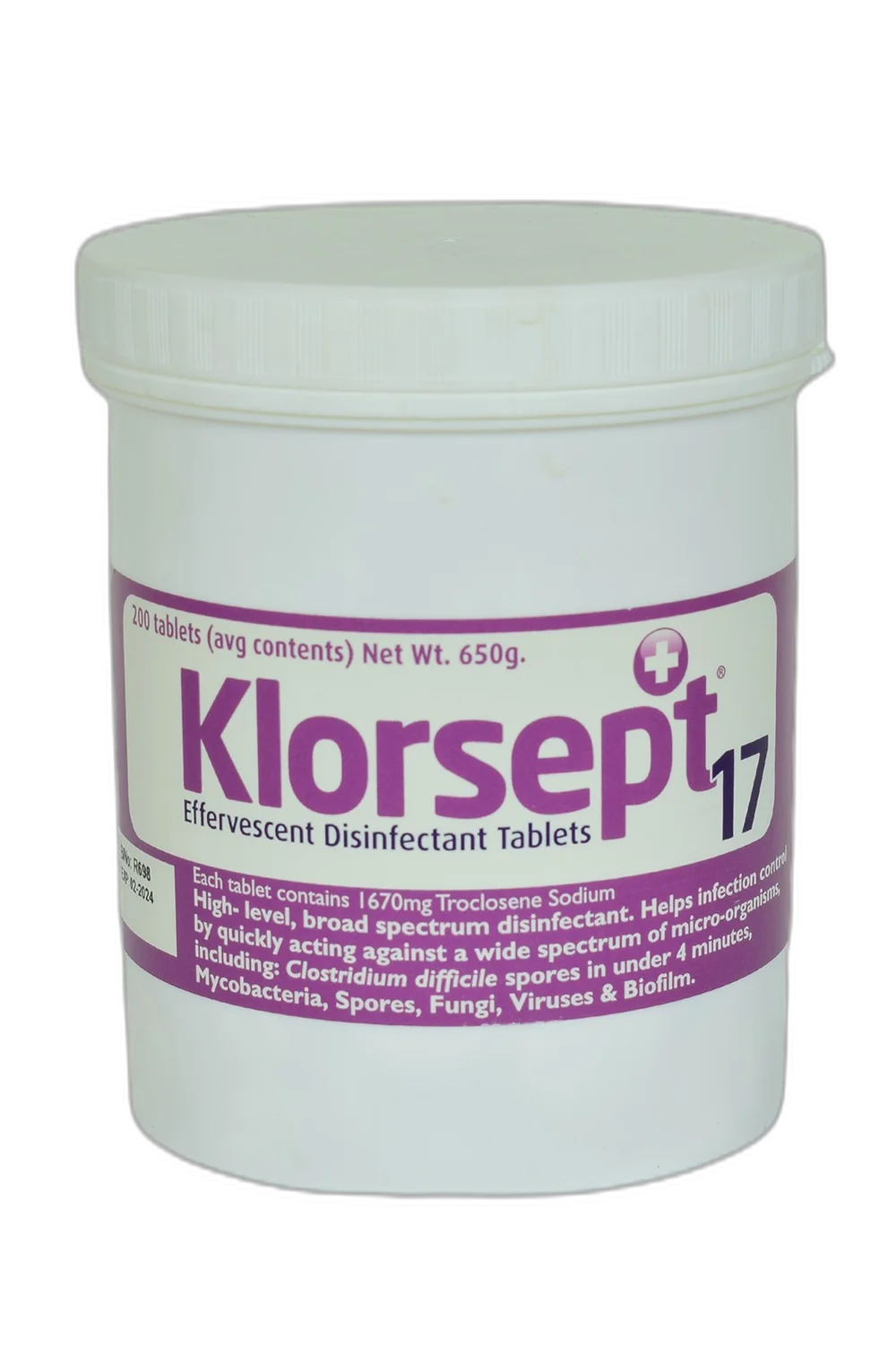
For treating poultry and livestock drinking water we carry Aquasept, alongside the larger Aquatabs sizes for tanks, all made to the same standards as the household product. The amount to use comes from the pack for your water volume and your system, so follow the label. You can see the range in the shop, or ask us for a quantity that suits the size of your operation.
See the range in the shopProducts for poultry water
Water is part of biosecurity
Farms invest carefully in biosecurity at the gate, in the feed, and in the litter, yet the water line runs straight into every bird and is easy to overlook. Treating it as a biosecurity point, cleaned between flocks and kept sanitary during the cycle, closes a gap that many sheds leave open.
Common questions from farmers
How does water quality affect flock growth?+
Because a flock drinks so much water, its quality shapes how much the birds drink, and intake drives feed conversion and growth. Warm or dirty water lowers drinking, and the effect reaches the whole shed at once, often before any bird looks ill.
What is the film that builds up inside the drinker lines?+
It is biofilm, a slimy layer that grows on the inside of tanks and lines wherever water stands and warms. It shelters bacteria and can block the nipples and interfere with medicines given through the water, so keeping it out is the point of a sanitation routine.
Can I treat the drinking water while the birds are drinking?+
Routine treatment of the drinking water is a normal part of flock management, but the product and the amount are set by the pack and by your veterinary advice for your system, so follow those. Where a value is not printed, take see packaging as the instruction rather than guessing.
When is the best time to clean the water lines?+
The most thorough clean is done between flocks, when the shed is empty, so the tank and the lines can be flushed and disinfected without the birds present. The next flock then starts on a clean system.
Which product should a poultry farm use?+
For poultry and livestock drinking water we carry Aquasept, with larger Aquatabs sizes for tanks. Follow the label for the amount, and ask us if you need a quantity sized to your operation.
Water that supports the whole flock
Talk to the team that has supplied the poultry trade in Pakistan since 2008. We can advise on the right product for your water and your shed, and supply the quantity your operation needs.