
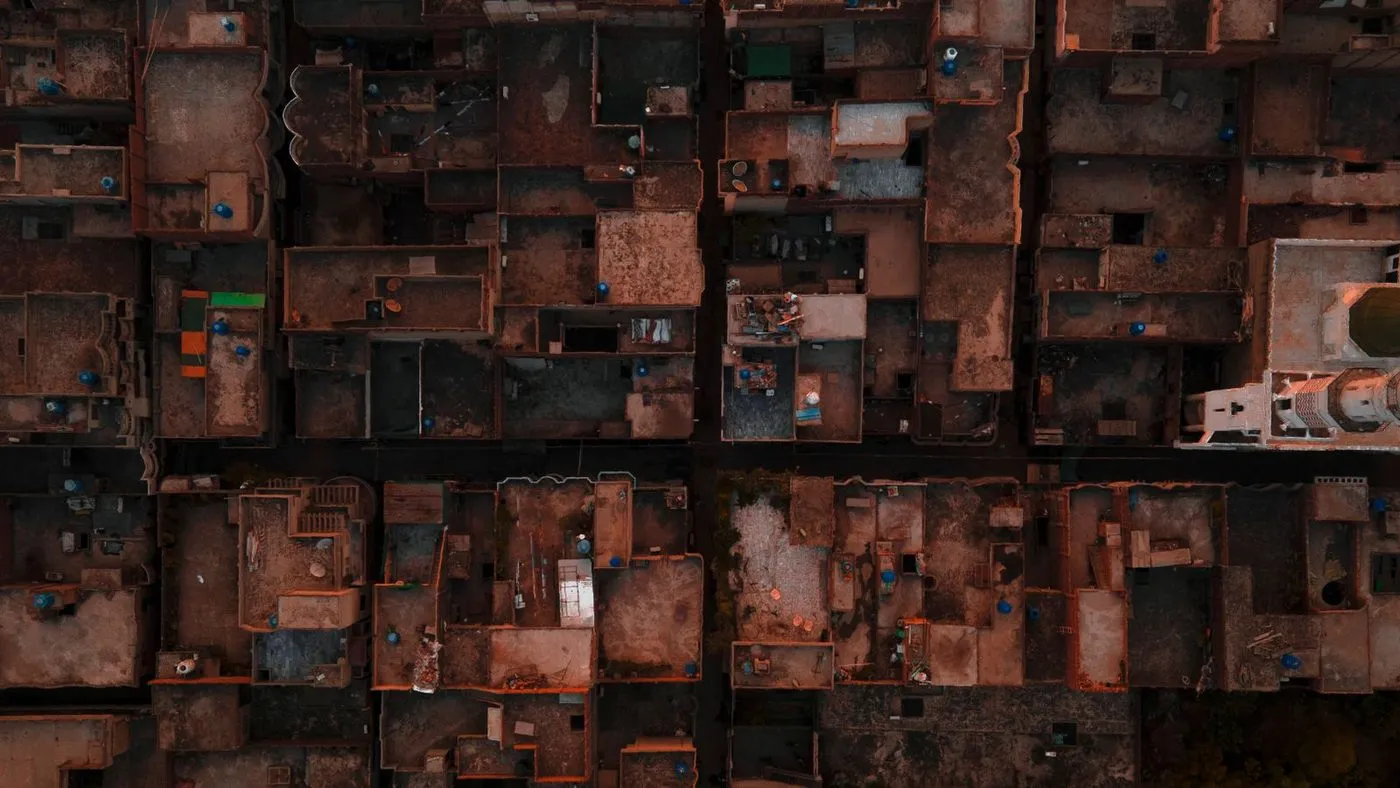
Where does your water really come from?
Most homes never see the journey their water takes. It travels from a borehole, the city mains, or a tanker into an underground tank, is pumped up to a rooftop tank, and only then reaches your tap. At every step it can pick up what your eyes cannot.
Start with your city
Choose where you live to see where your water most likely comes from, and the risk that travels with it.
The journey your water takes
Follow a single drop from its source to your glass. Each stop is a place where clean water can quietly turn unsafe.
The source
A borehole, the mains, or a tanker. Groundwater can carry arsenic, nitrates, and bacteria, and tanker water is rarely tested before it arrives.
The underground tank
Set below ground, often near sewage lines. Cracks and loose covers let in dirt, seepage, and insects, and it is opened and cleaned only rarely.
The pump
Water is drawn up towards the roof. Whatever it gathered below is carried upward with it.
The overhead tank
Warmed by the sun, with lids that are often open or broken, it invites algae, dust, birds, and the mosquitoes that breed dengue. Water can sit here for days.
Your tap
Clear water is not proof of safe water. The bacteria behind typhoid and cholera leave no colour, no taste, and no smell.
Two tanks, two hidden problems
The two stores your water rests in are the two places it is most often lost.
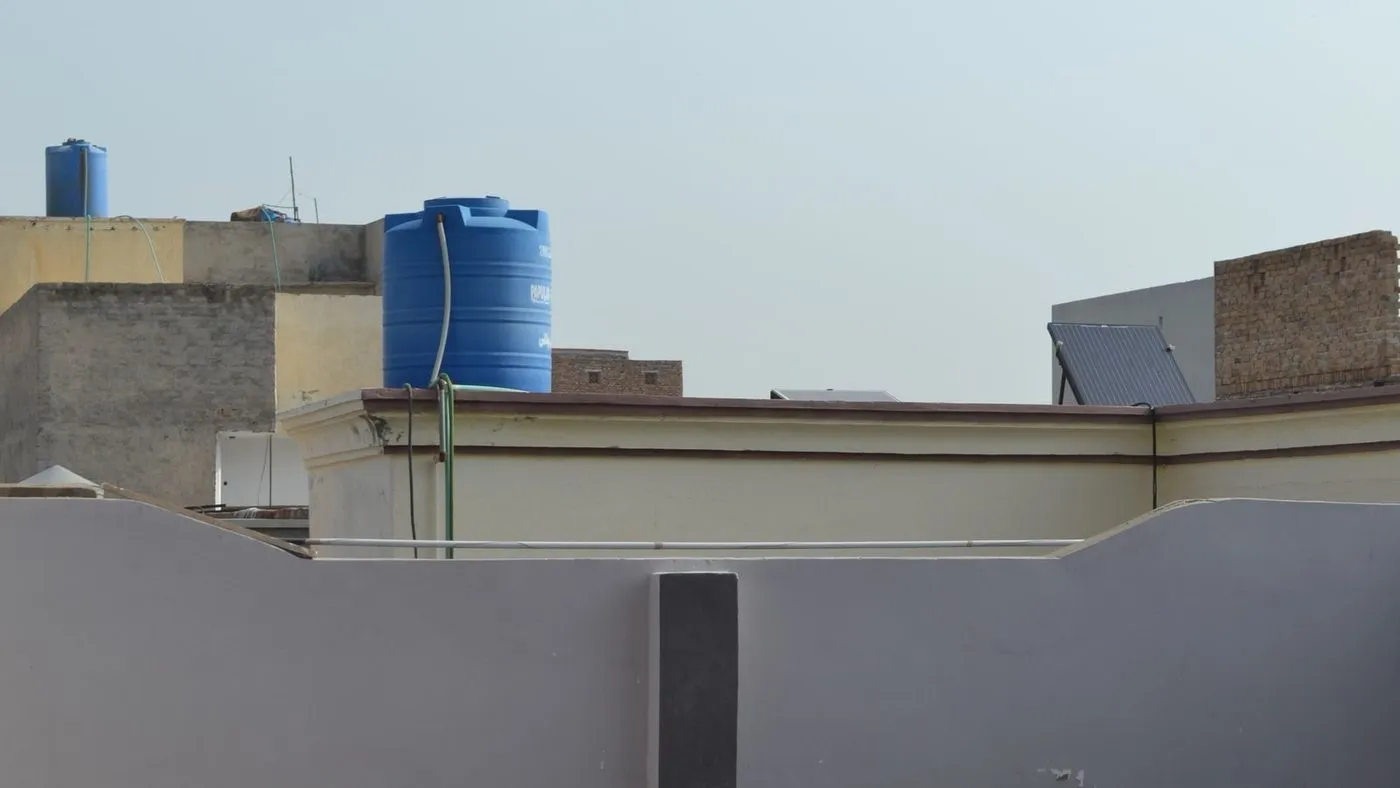
Underground tank
Out of sight and out of mind. Because it never sees sunlight and is seldom opened, sediment and bacteria build up, while cracks near drains and sewers allow seepage in.
Overhead tank
Exposed on the roof, it heats in the sun so algae grow, and a broken or missing lid lets in dust, droppings, and mosquitoes.
The guidance is to clean a household tank at least twice a year. Most are left far longer.
Read our tank cleaning guideBut my water is safe, surely?
The four things people trust most are the four that let unsafe water through. Open each to see why.
My society has a filtration plant
Many are poorly kept. In one study of 64 plants across the twin cities, nearly half gave water that was unsafe to drink. A plant nearby is not a promise at your tap.
I only drink bottled water
In a single recent quarter the national water body found 28 of 176 bottled brands unsafe, for bacteria, arsenic, or excess sodium. And you still cook, brush, and wash with tap water.
My water looks perfectly clean
The bacteria that cause typhoid and cholera are invisible. Clear water tells you nothing about what it carries.
I boil my water
Boiling works, but it is hard to do for every use, and once boiled water returns to the same tank or bottle it can be spoiled again. It leaves no lasting protection.
This is why it matters
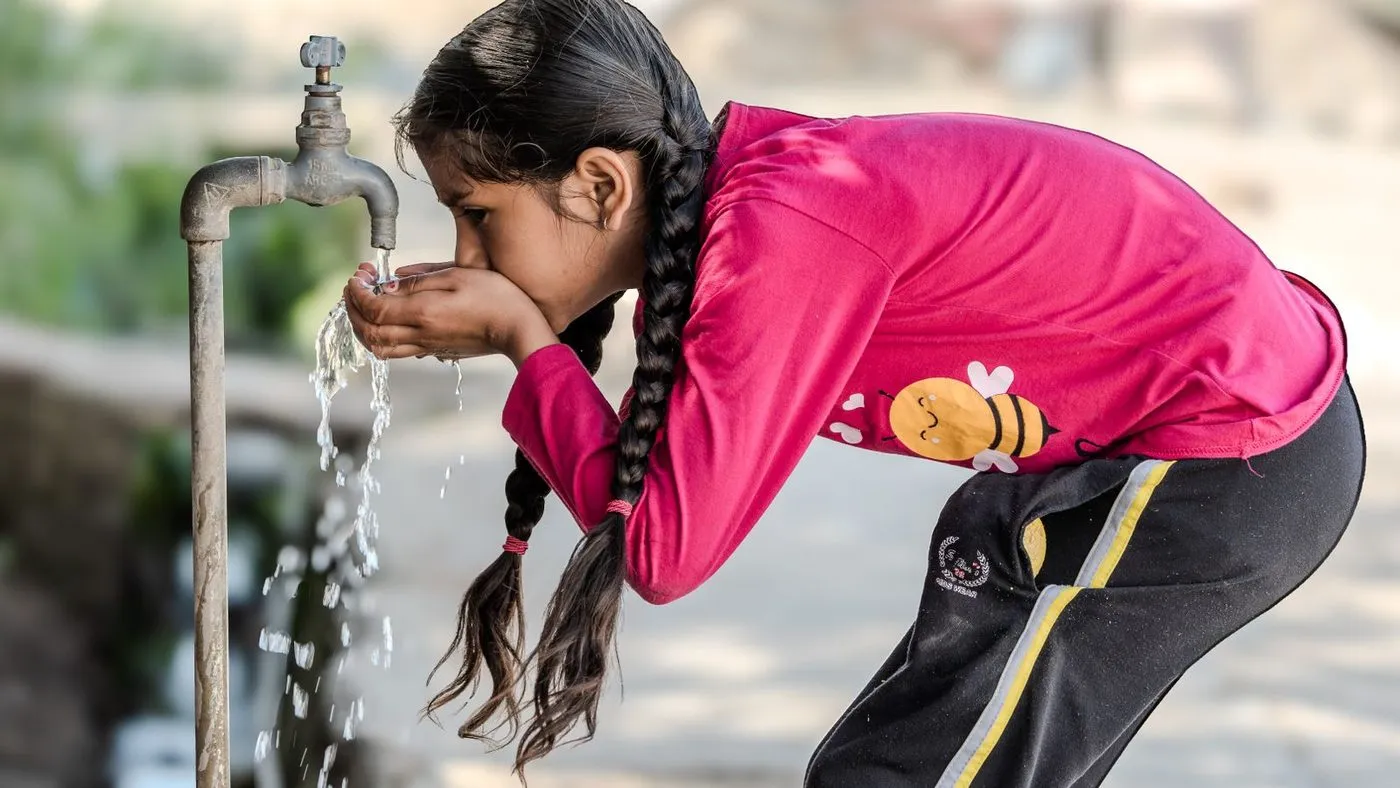
Unsafe water is not an abstract worry. It is among the largest causes of illness in Pakistan, and it falls hardest on children.
The last line of defence
You cannot rebuild the city's pipes or reach into every tank on the way. What you can do is treat the water where you use it. A filter or a plant leaves no lasting guard, and bottled water is often unsafe, but a small amount of chlorine keeps working after it is added, protecting the water while it waits in your tank and your pipes.
That lasting guard is what sets chlorine apart from boiling or filtering. It keeps protecting the water against fresh contamination in storage, and it is highly effective against the bacteria and many of the viruses behind waterborne disease.
For how much to add, always follow the pack.
Protect your tank in three steps
- 1
Clean the tank
Empty, scrub, and rinse the underground and overhead tanks. Our guide shows you how.
- 2
Add Aquatabs
Dose the fresh water with Aquatabs, following the amount on the pack.
- 3
Drink with confidence
A lasting chlorine guard keeps the water protected while it is stored.
Protect your family's water today
Find the right Aquatabs for your household and your tank size.
Where these figures come from
The figures on this page are drawn from the Pakistan Council of Research in Water Resources, the World Health Organization, UNICEF, and peer reviewed studies of Pakistani water quality. National estimates reflect reviews of many studies rather than a single survey, and no figure here is a claim about any one company or society.