
Safe Water at Sea: Protecting Pakistan's Marine and Fishing Crews
4 min read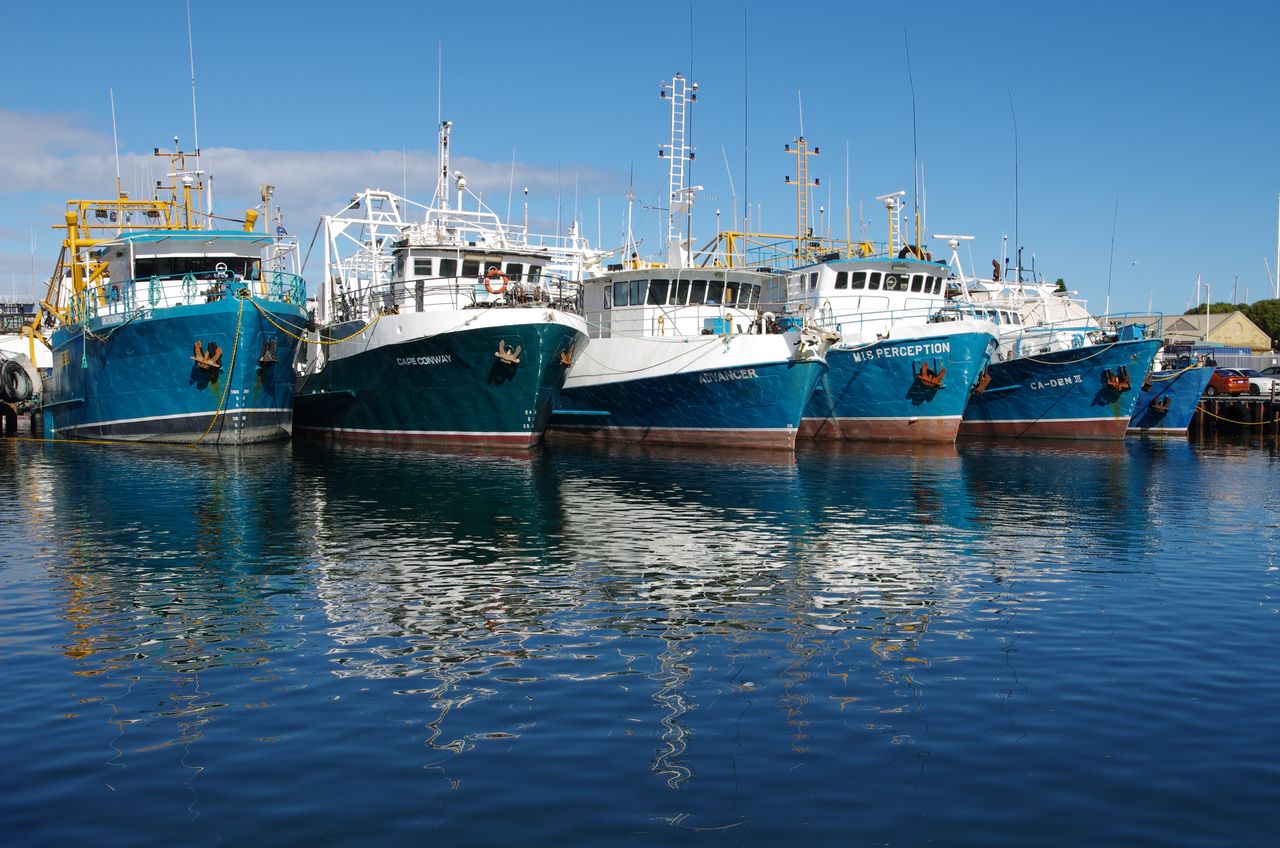
Pakistan's fishing industry is a cornerstone of the national economy, supporting livelihoods along more than a thousand kilometres of Arabian Sea coastline, from the harbours of Karachi to the remote shores of the Makran belt and the port of Gwadar. Hundreds of thousands of men spend days and weeks at a time on the water, aboard trawlers, artisanal fishing vessels, and small motorised boats, far from any piped supply. For these crews, drinking water is carried from shore in whatever containers are available, stored in the heat of an open deck or an engine room, and consumed over the course of a voyage without any further treatment. The result is a predictable and preventable health burden that falls most heavily on the people least able to bear it.
The National Water Safety Context
Despite decades of investment, Pakistan continues to face a serious drinking water quality crisis. The WHO and UNICEF Joint Monitoring Programme for Water Supply, Sanitation and Hygiene has documented that a large share of Pakistan's population relies on drinking water sources that are either unimproved or, though nominally improved, contaminated at the point of use or during storage and handling. The Pakistan Council of Research in Water Resources conducts regular nationwide water quality surveillance, and its findings consistently show that a substantial proportion of water samples drawn from household supplies, tanker deliveries, and communal sources test positive for faecal coliforms, the bacterial markers of sewage contamination. The World Bank has noted that the economic cost of water-related illness in Pakistan runs into billions of rupees annually, with diarrhoeal disease remaining among the leading causes of preventable death and child hospitalisation. These national conditions form the baseline from which every fishing crew departs when they fill their containers before leaving port.
According to the WHO and UNICEF Joint Monitoring Programme, fewer than half of Pakistan's population has access to safely managed drinking water, meaning water that is free from contamination at source, accessible on premises, and available when needed.
Why Stored Water on Vessels Presents Elevated Risk
Water that is safe when drawn from a tap or a community handpump can deteriorate rapidly once it is transferred into a storage vessel and left untreated in a warm environment. On a fishing boat, the conditions that accelerate microbial regrowth are almost universally present: ambient temperatures along the Pakistani coast regularly exceed forty degrees Celsius in summer, containers are often non-food-grade plastic drums or repurposed oil canisters that are difficult to clean thoroughly, lids are removed repeatedly during the voyage, and hands that have handled fish, nets, and diesel equipment come into contact with the water. The longer the trip, the greater the opportunity for recontamination and bacterial multiplication. Gastroenteritis, cholera, typhoid, and hepatitis A are all transmitted through drinking water that carries faecal pathogens, and each of these diseases can incapacitate a crew member within hours of onset, creating safety risks aboard the vessel itself beyond the immediate health consequences.
The specific risks facing fishing and marine crews in Pakistan include the following.
- Long storage periods at sea, often two to seven days, during which untreated water is exposed to rising temperatures and repeated handling
- Non-sterile containers, including used oil drums and unlined metal tanks, which harbour bacteria even after rinsing
- Re-entry contamination each time a container is opened without clean hands or a clean ladle
- Proximity to harbour water, bilge water, and fish waste, all of which carry high faecal coliform and Vibrio loads
- Limited or no access to medical care if illness develops while a vessel is at sea
- Concentrated crews in close quarters, where a single case of waterborne illness can spread rapidly
Removing the Risk Through Point-of-Use Treatment
The intervention required is simple, portable, and proven at a global scale. Point-of-use water treatment with a chlorine-releasing tablet eliminates or dramatically reduces the bacterial and viral load in stored water, arresting the cycle of recontamination before it reaches the person drinking. An Aquatabs tablet, dosed according to the instructions on the packaging, can be added to a measured volume of water aboard any vessel, at any point during a voyage, without refrigeration, electricity, or specialist training. The tablet dissolves, releasing sodium dichloroisocyanurate in a controlled concentration that disinfects the water and maintains a protective residual chlorine level for a period of hours, providing a continued barrier against recontamination during storage. For crews who cannot return to shore if they fall ill, who are responsible for one another's safety, and whose livelihoods depend on remaining physically capable throughout the voyage, carrying Aquatabs is not a luxury precaution. It is the simplest available answer to one of the most predictable occupational health risks in Pakistan's maritime sector.
Sources: WHO and UNICEF Joint Monitoring Programme (JMP); Pakistan Council of Research in Water Resources (PCRWR); World Bank Pakistan.
Check the risk where you live
Answer three quick questions about your own water, and see what it means for your home. It takes less than a minute.
Related reading
- Case study · KarachiKarachi's Tanker Water Crisis: Contamination Risk and the Case for Point-of-Use Treatment
- Case study · LahoreLahore's Compounding Water Crisis: Arsenic in the Aquifer and Contamination in the Network
- Case study · FaisalabadWhen the Ground Itself Cannot Be Trusted: Arsenic and Industrial Contamination in Faisalabad's Drinking Water