
Lahore's Compounding Water Crisis: Arsenic in the Aquifer and Contamination in the Network
4 min read
Lahore is home to more than thirteen million people and is Pakistan's cultural and intellectual capital, yet its residents drink from an aquifer and a pipe network that carry two distinct categories of hazard. The first is geological and chronic: arsenic, leached from Himalayan sediments deposited across the alluvial plain over millennia, has accumulated in the groundwater at concentrations that scientific surveys consistently record above the WHO provisional guideline value of 10 micrograms per litre. The second is structural and acute: the municipal supply network, spanning a megacity whose underground pipes age faster than they can be replaced, allows microbial contamination to enter water that was clean at the pumping station. Together, these two threats mean that residents of Lahore face risk whether they draw from a tube well or from the tap, and the precautions required are different for each.
The Arsenic Threat Beneath the City
Research published in peer-reviewed literature has found arsenic concentrations in Lahore's groundwater that exceed the WHO guideline across multiple locations, with some sampling sites in the eastern parts of the city recording values as high as 86 micrograms per litre, a figure more than eight times the permissible threshold. A 2022 profiling study confirmed that Lahore's groundwater falls within the most severely affected zone of the Punjab alluvial plain, sharing its geochemical character with arsenic-affected aquifers in West Bengal and Bangladesh. The underlying mechanism is well understood: reducing geochemical conditions in waterlogged sediments release arsenic from iron-bearing minerals into the surrounding water, and intensive groundwater abstraction across Lahore, where the water table has been receding at approximately 0.92 metres per year, draws that contaminated water upward through successive strata. The World Health Organization records that chronic exposure to inorganic arsenic at elevated concentrations is associated with skin lesions, peripheral neuropathy, cardiovascular disease, developmental harm, and cancers of the skin, bladder, and lungs. Because arsenic is a dissolved chemical contaminant rather than a biological one, it cannot be addressed by disinfection alone, and households dependent on tube well water require a filtration or blending solution appropriate to the specific concentrations present in their locality.
Contamination in the Distribution Network
The second hazard operates by an entirely different mechanism. Research examining 381 sampling points across Lahore's municipal supply, published in Scientific Reports, found that fecal coliforms were absent at the source, that is, in the tube well water at the point of extraction, yet appeared in household tap water across multiple neighbourhoods, with some areas recording coliform counts in the thousands of colony-forming units per millilitre. The study identified aging and compromised distribution infrastructure as the cause, noting that leaking joints and pipe breaks in areas of intermittent pressure allow soil and wastewater to enter the supply during low-pressure periods. Water that is microbiologically acceptable when it leaves the pumping station can therefore arrive at the household tap already contaminated. This risk is compounded when residents store water in open or poorly covered vessels, a common and entirely rational response to intermittent supply, because stored water without an ongoing disinfection residual provides conditions in which microbial counts can rise significantly between collection and consumption. The resulting diseases, including diarrhoea, gastroenteritis, and typhoid, are not incidental: Pakistan carries the third-highest burden of diarrhoea-related mortality in children under five years of age globally, with an estimated 39,500 child deaths attributed to diarrhoea each year.
According to PCRWR national monitoring data covering 29 Pakistani cities, 61 percent of all assessed water sources were found unsafe for human consumption, a finding that frames Lahore's challenges not as local exceptions but as expressions of a nationwide infrastructure deficit.
The distinct local and sector risks in Lahore include the following:
- Geological arsenic loading in the eastern and southern zones of the city, where groundwater records concentrations multiple times above the WHO guideline
- Compromised pipe infrastructure creating entry points for microbial contamination between the pumping station and the household tap
- Intermittent supply pressure, which increases the frequency and severity of contamination intrusion events in older neighbourhoods
- Household storage without disinfection residual, allowing microbial counts to rise significantly between collection and the point of consumption
- Industrial and agricultural runoff adding nitrates and chemical load to shallow groundwater sources on the urban fringe
Protecting Stored Water from Microbial Risk
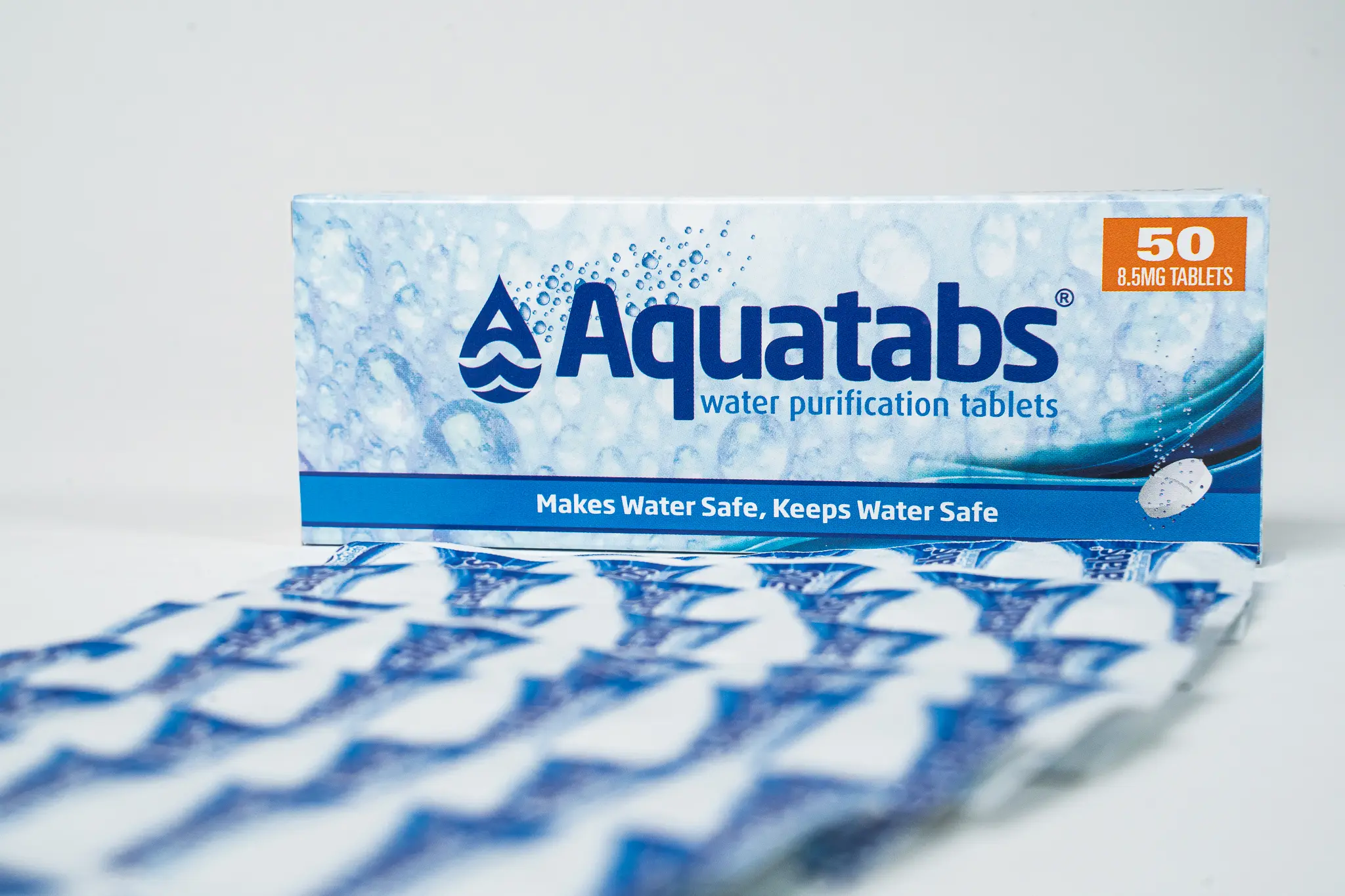
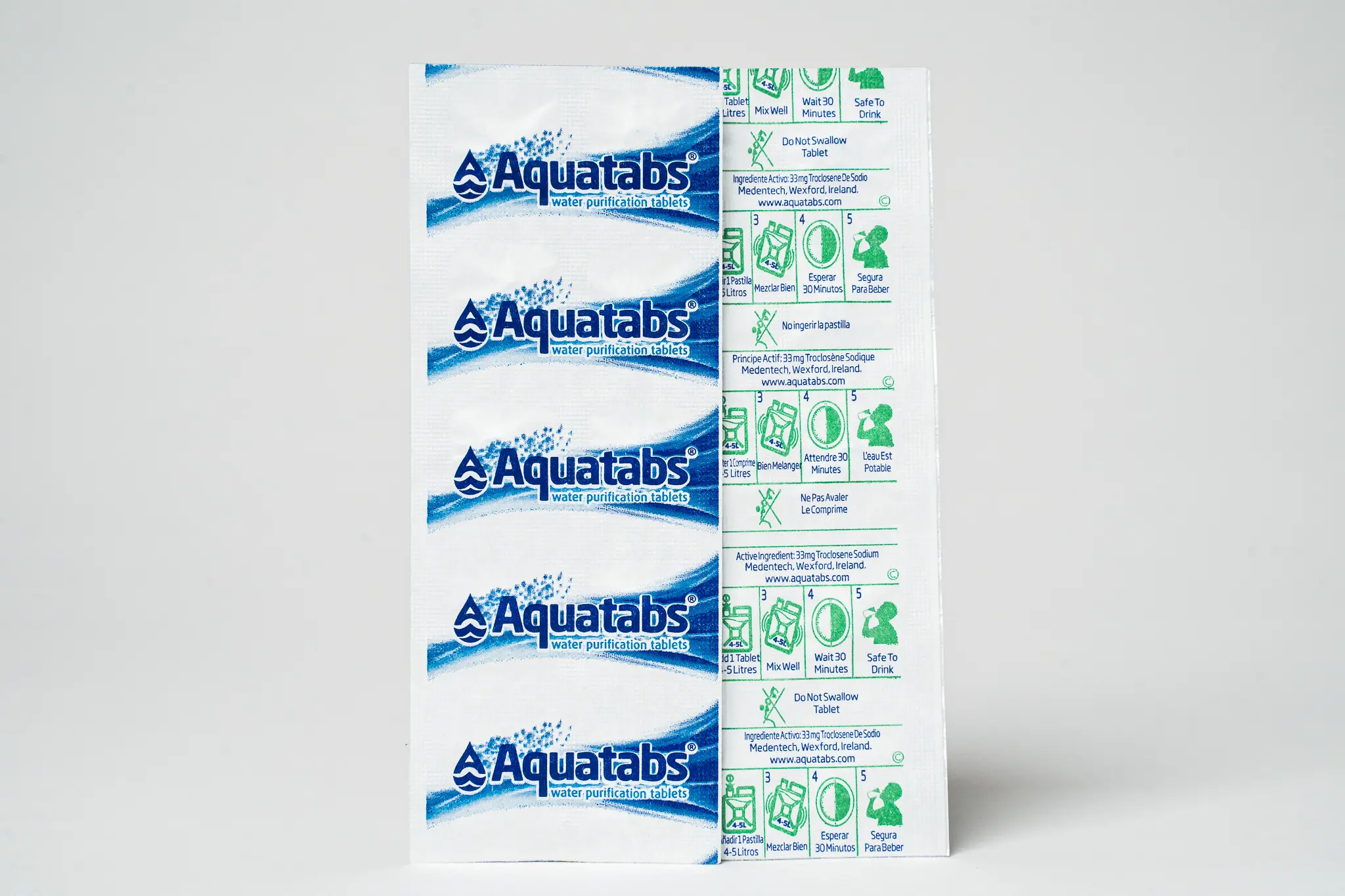
For the microbiological threat that the distribution network introduces, the established intervention is point-of-use disinfection. When water has been drawn from the municipal supply and stored in a household vessel, treating it with a single Aquatabs tablet delivers a controlled dose of sodium dichloroisocyanurate, which releases free chlorine into the water and neutralises bacteria, viruses, and protozoa at the levels characteristic of distribution contamination. The correct tablet size and the volume of water to be treated are stated on the pack. For households in Lahore that depend on the municipal supply and store water between delivery periods, this step transforms a microbiologically hazardous vessel into safe drinking water. It does not remove dissolved chemicals such as arsenic, which demands a separate physical or chemical treatment, but it closes the most immediately lethal door, the one that waterborne pathogens walk through each time a compromised pipe delivers contaminated water to a household that has no other option.
Sources: PCRWR (Pakistan Council of Research in Water Resources); WHO and UNICEF Joint Monitoring Programme; World Health Organization Arsenic Fact Sheet; World Bank.
Check the risk where you live
Answer three quick questions about your own water, and see what it means for your home. It takes less than a minute.
The right products for this

Related reading
- Case study · KarachiKarachi's Tanker Water Crisis: Contamination Risk and the Case for Point-of-Use Treatment
- Case study · FaisalabadWhen the Ground Itself Cannot Be Trusted: Arsenic and Industrial Contamination in Faisalabad's Drinking Water
- Case study · MultanArsenic and Salinity: The Hidden Chemical Crisis in Multan's Groundwater