
Safe Water in Pakistani Hospitals: Infection Control and the Case for Reliable Point-of-Use Treatment
4 min read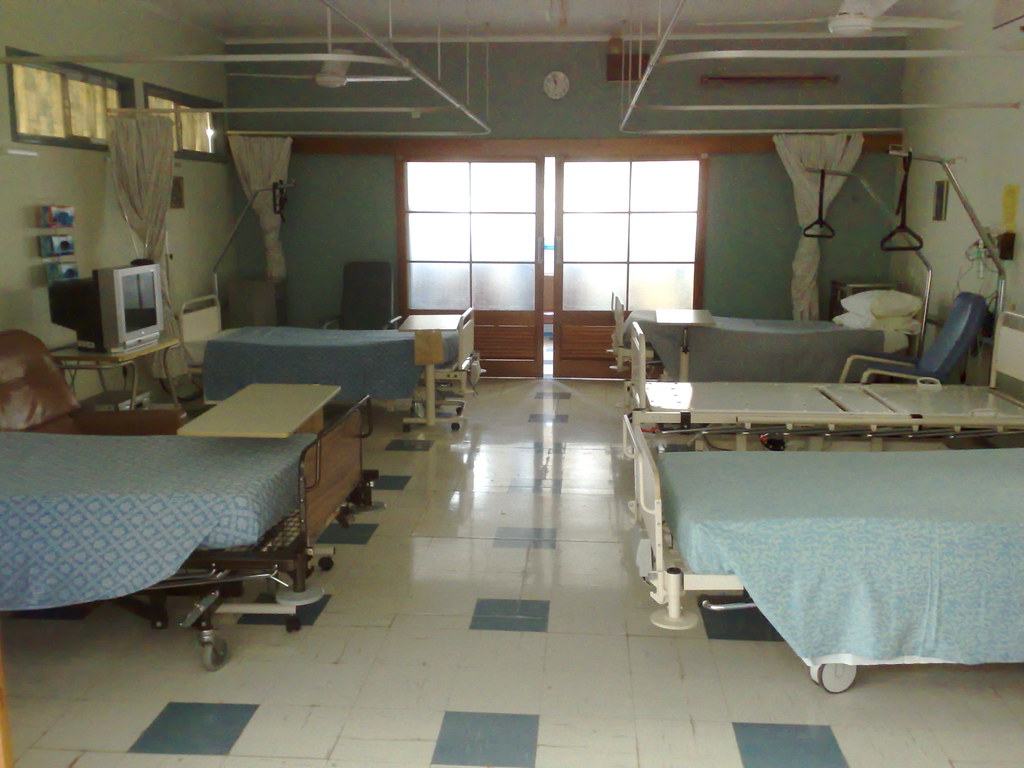
The safety of water inside a hospital is not a matter of comfort, it is a clinical imperative. Across Pakistan, a country where national water quality monitoring conducted by the Pakistan Council of Research in Water Resources (PCRWR) has repeatedly documented bacteriological contamination across municipal, groundwater, and piped supplies, healthcare facilities face a compounded version of the same threat that affects households. Water that enters a clinical setting for hand hygiene, wound care, equipment rinsing, or patient consumption carries the same microbial risks as water in any other building, but the consequences of contamination are borne by people who are already medically compromised. The case for reliable point-of-use water treatment in Pakistani hospitals rests on the same evidence that has driven its adoption by UNICEF, the International Committee of the Red Cross, and major international relief agencies worldwide.
The National Water Quality Picture
The WHO and UNICEF Joint Monitoring Programme (JMP) tracks access to safely managed drinking water, defined as water that is accessible on premises, available when needed, and free from faecal contamination. For Pakistan, the JMP data show consistently that a large majority of the population relies on supplies that do not meet this standard. PCRWR's periodic National Water Quality Monitoring reports, which draw samples from piped and non-piped sources across all four provinces, have identified bacteriological contamination as the dominant failure in Pakistan's drinking water supply, with Escherichia coli and other coliform organisms detected across urban and rural networks alike. The challenge is not confined to the countryside. Hospitals in Rawalpindi, Lahore, and Karachi draw from municipal networks that, while treated at source, are vulnerable to post-treatment contamination through ageing pipes, pressure fluctuations, and storage in tanks that may receive infrequent cleaning. Water that meets bacteriological standards at the treatment plant can arrive at a ward tap carrying a measurable microbial load, without any indication to the nurse or technician who uses it.
How Contaminated Water Enters the Infection Chain
The World Health Organisation has established that healthcare-associated infections (HAIs) affect hundreds of millions of patients globally each year, and that rates in low and middle income countries are considerably higher than those recorded in high-income settings. Contaminated water enters the infection chain through several routes that are specific to the clinical environment. Hand hygiene is the most effective single intervention for preventing HAIs, yet it provides no protection if the water used for washing introduces pathogens onto cleaned hands. Wound care carried out with non-sterile water risks delivering Gram-negative bacteria, including Pseudomonas aeruginosa and Klebsiella pneumoniae, directly into open tissue. Patients admitted for cholera, typhoid, or acute diarrhoeal disease may be reinfected through the facility's own drinking water if that water is not reliably treated. In the context of Pakistan's growing concern over antimicrobial resistance, preventable infections that arise from contaminated water and subsequently require antibiotic courses compound a public health burden that is already significant.
According to UNICEF and national health reporting, approximately 40 percent of hospital visits in Pakistan are attributable to waterborne illness, a figure that reflects both the scale of contamination in the country's water supply and the inability of many health facilities to provide a reliably safe water source to the patients who depend on them.
Sector-specific risks in Pakistani hospitals and health facilities:
- Ageing distribution infrastructure in urban hospitals allows bacterial regrowth and recontamination between the municipal supply point and the ward tap, often invisibly.
- Infrequently cleaned storage tanks, whether rooftop or basement, create conditions favourable to the proliferation of coliforms, Legionella, and algal matter over time.
- Intermittent water supply forces facilities to store large volumes for extended periods, increasing the risk that stored water is consumed long after microbial contamination has taken hold.
- Groundwater dependence in peri-urban and rural health facilities, where tube wells receive no treatment stage, exposes patients and staff to untreated microbial loads without any visible indicator of risk.
- Understaffed infection control teams rarely have the capacity to test stored water at regular intervals, meaning contamination events are frequently identified only after a cluster of illness has already emerged.
Reliable Protection at the Point of Use
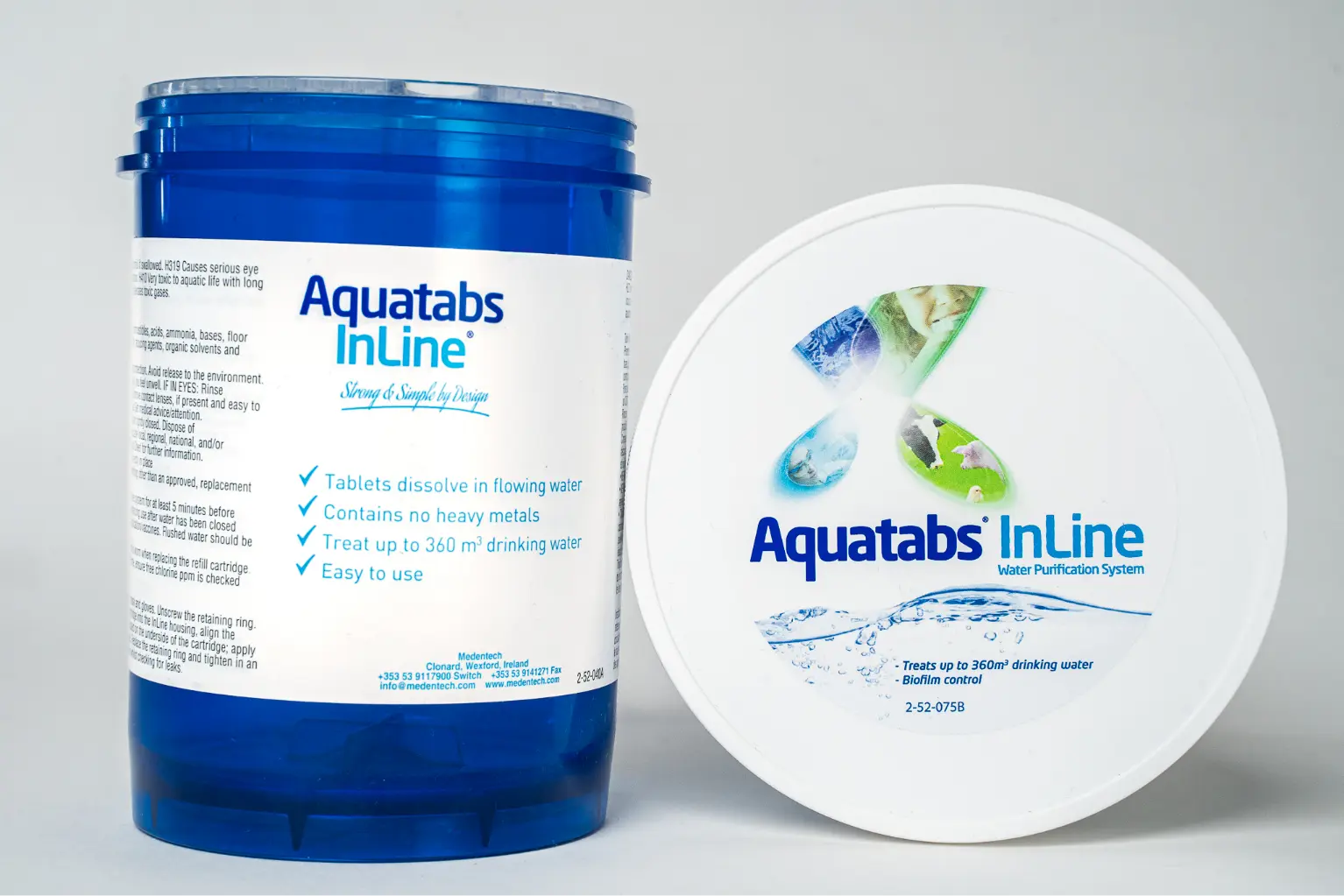
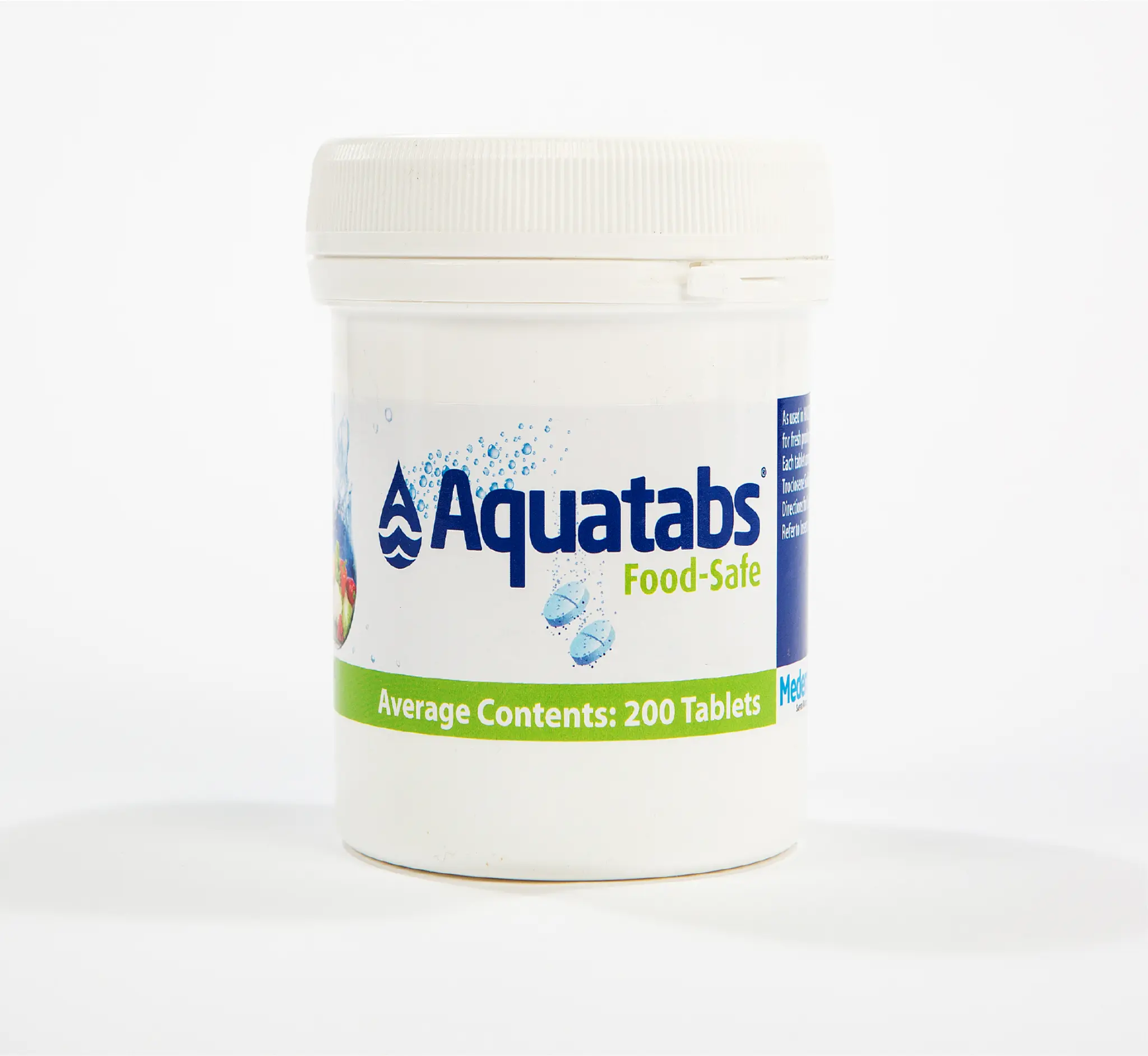
No single measure eliminates all routes of waterborne infection within a healthcare facility, but point-of-use water treatment addresses the final and most consequential link in the contamination chain, the water that actually reaches the patient and the clinician. An Aquatabs tablet dissolved in a measured volume of stored water releases sodium dichloroisocyanurate (NaDCC), a chlorine-releasing compound that the WHO has approved for continuous use and that is employed by UNICEF, OXFAM, and the International Committee of the Red Cross in field conditions worldwide. This treatment works in water stored in any clean, covered container, requires no electricity, no infrastructure modification, and no specialist equipment, and produces water suitable for drinking, hand rinsing, and non-sterile clinical tasks within a short contact time. For the correct number of tablets per volume of water, follow the instructions printed on the pack. Used as directed, Aquatabs closes the gap between a contaminated municipal supply and the patient, providing a documented, auditable layer of protection that is both immediately deployable and sustainable across the full range of Pakistani health facility types.
Sources: WHO and UNICEF JMP; PCRWR; World Health Organisation; UNICEF Pakistan.
Check the risk where you live
Answer three quick questions about your own water, and see what it means for your home. It takes less than a minute.
The right products for this
Related reading
- Case study · KarachiKarachi's Tanker Water Crisis: Contamination Risk and the Case for Point-of-Use Treatment
- Case study · LahoreLahore's Compounding Water Crisis: Arsenic in the Aquifer and Contamination in the Network
- Case study · FaisalabadWhen the Ground Itself Cannot Be Trusted: Arsenic and Industrial Contamination in Faisalabad's Drinking Water