
Water Safety in Hotels, Restaurants, and Catering: A National Risk Assessment for Pakistan
4 min read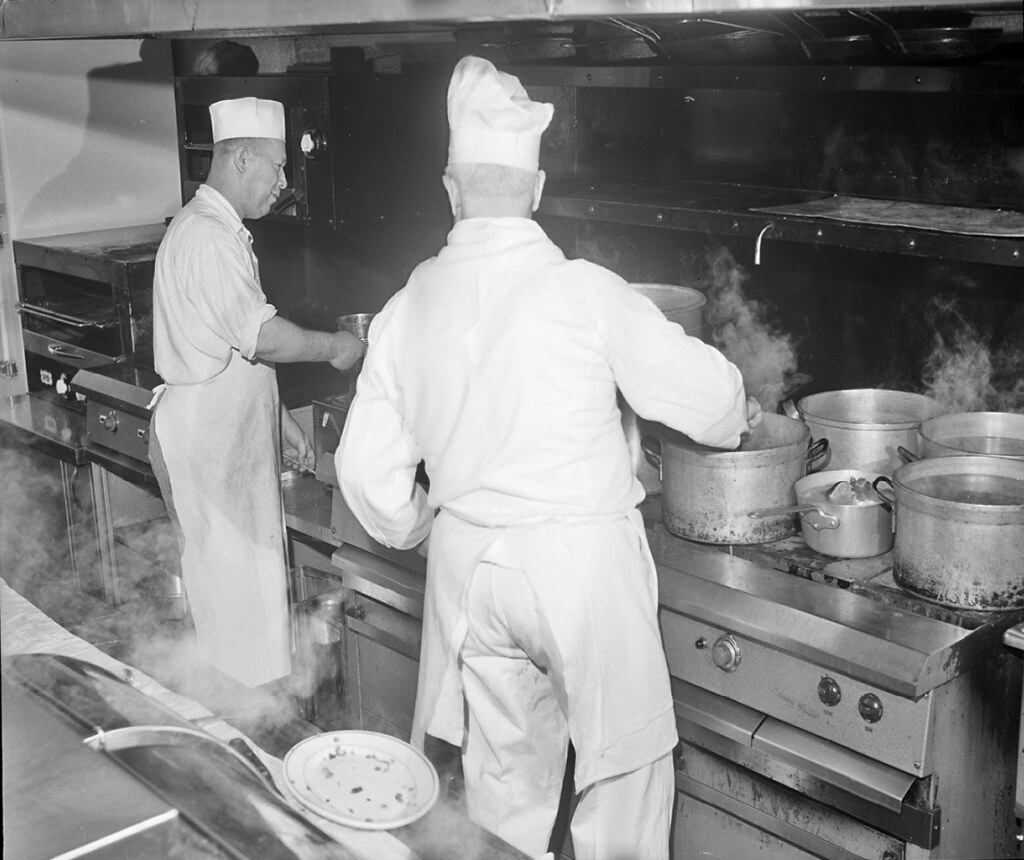
Pakistan's commercial food service sector, encompassing its hotels, restaurants, roadside eateries, and institutional catering operations, operates under the same water supply constraints that burden the wider population. The Pakistan Council of Research in Water Resources (PCRWR) has monitored drinking water quality through successive national programmes, and the picture is consistent and deeply concerning. In a monitoring exercise covering twenty-nine cities across the four provinces, Azad Jammu and Kashmir, and Gilgit-Baltistan, sixty-one per cent of the water sources tested were found unsafe for human consumption. For a kitchen drawing on the municipal or groundwater supply, this is not an abstract national figure; it is a direct description of the water flowing through the tap where produce is washed, ice is made, and dishes are rinsed before being carried to a guest's table.
The Chain of Contamination in Commercial Kitchens
Water enters the commercial food environment at every stage of preparation. It is used to wash raw vegetables and fruit, to clean cutting surfaces and cooking equipment, to make ice for beverages, and in many establishments to brew tea and prepare sauces and doughs. Each of these points of contact is a potential pathway for fecal coliform organisms and other enteric pathogens to reach a diner's plate. The WHO classifies water containing more than one colony of E. coli per hundred millilitres as carrying intermediate to high risk, and PCRWR data consistently identifies microbial contamination as the dominant failure mode across Pakistani urban water supplies. In Karachi, investigative reporting citing PCRWR monitoring has indicated that a very high proportion, in some surveys exceeding ninety per cent, of municipal water fails basic bacteriological safety tests. Even establishments that invest in on-site filtration frequently rely on systems that remove particulate matter but do not neutralise biological contamination reliably, particularly under variable supply pressure and the conditions of ageing infrastructure.
The Diseases That Travel Through Water and Food
According to the PCRWR National Water Quality Monitoring Programme covering twenty-nine cities, sixty-one per cent of drinking water sources tested across Pakistan were found unsafe for human consumption.
The waterborne disease burden associated with contaminated supply in Pakistan is well documented by international and national agencies. Hepatitis E, transmitted almost exclusively through water contaminated with faecal matter, has produced repeated urban outbreaks across major Pakistani cities, including Islamabad, Rawalpindi, Lahore, Karachi, Quetta, Peshawar, Multan, and Hyderabad. The WHO Eastern Mediterranean Regional Office has recorded that every confirmed hepatitis E epidemic in the country has been traced to sewage contamination of the piped water supply, making commercial establishments that use untreated mains water a silent link in the chain of transmission. A single Islamabad outbreak documented in the winter of 1993 to 1994 produced 3,827 recorded cases of acute icteric hepatitis across just two city sectors, with the source traced to contaminated distribution infrastructure. Typhoid, now presenting in an extensively drug resistant form in urban Pakistan, is similarly spread through the ingestion of Salmonella Typhi carried in water used for food preparation. Cholera, dysentery, and acute gastroenteritis caused by diarrhoeagenic strains of E. coli complete the principal spectrum of risk. A study commissioned by WaterAid Pakistan and led by researchers from the Lahore University of Management Sciences estimated that the total cost of illness falling on Pakistani households from WASH-related diseases, including typhoid, diarrhea, and malaria, amounted to PKR 116 billion at 2019 prices, with typhoid alone accounting for PKR 37 billion of that burden, a figure that reflects the scale of transmission through contaminated water and food alike.
Risks specific to hotels, restaurants, and catering operations across Pakistan:
- Municipal supply contaminated by leaking sewer infrastructure, reaching kitchen taps directly without further treatment
- Ice prepared from untreated tap water, served as a matter of routine in cold beverages to guests
- Salad, garnish, and raw produce washed in water carrying fecal coliforms and viral pathogens
- Cooking water, stocks, and sauces drawn from sources that have not been disinfected at the point of use
- Shared bulk water containers used in institutional and outdoor catering without regular sanitisation
- Inadequate verification of on-site filtration systems, particularly after monsoon-related pressure fluctuations that can introduce contamination into distribution networks
A Practical Intervention for the Sector
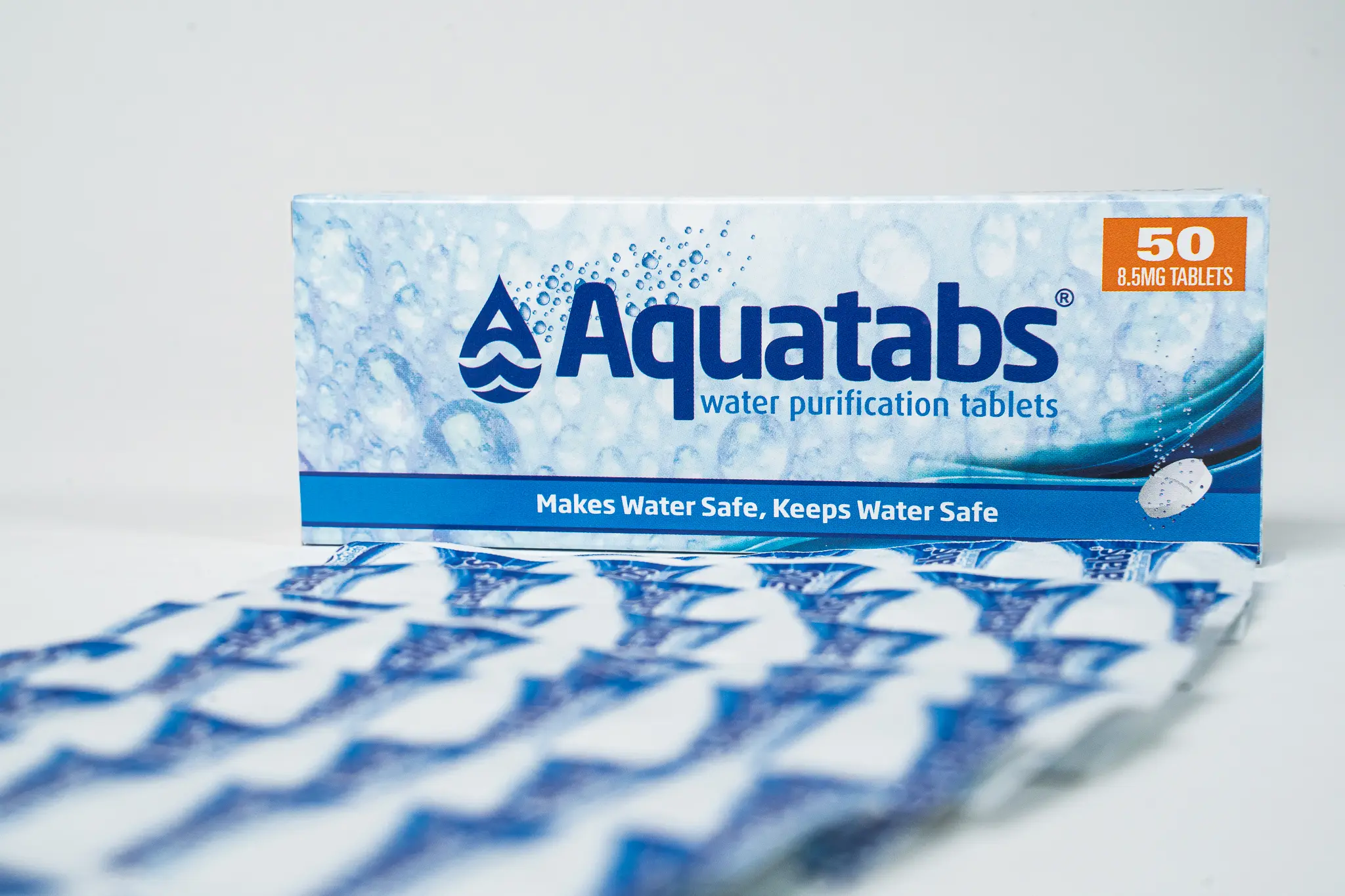
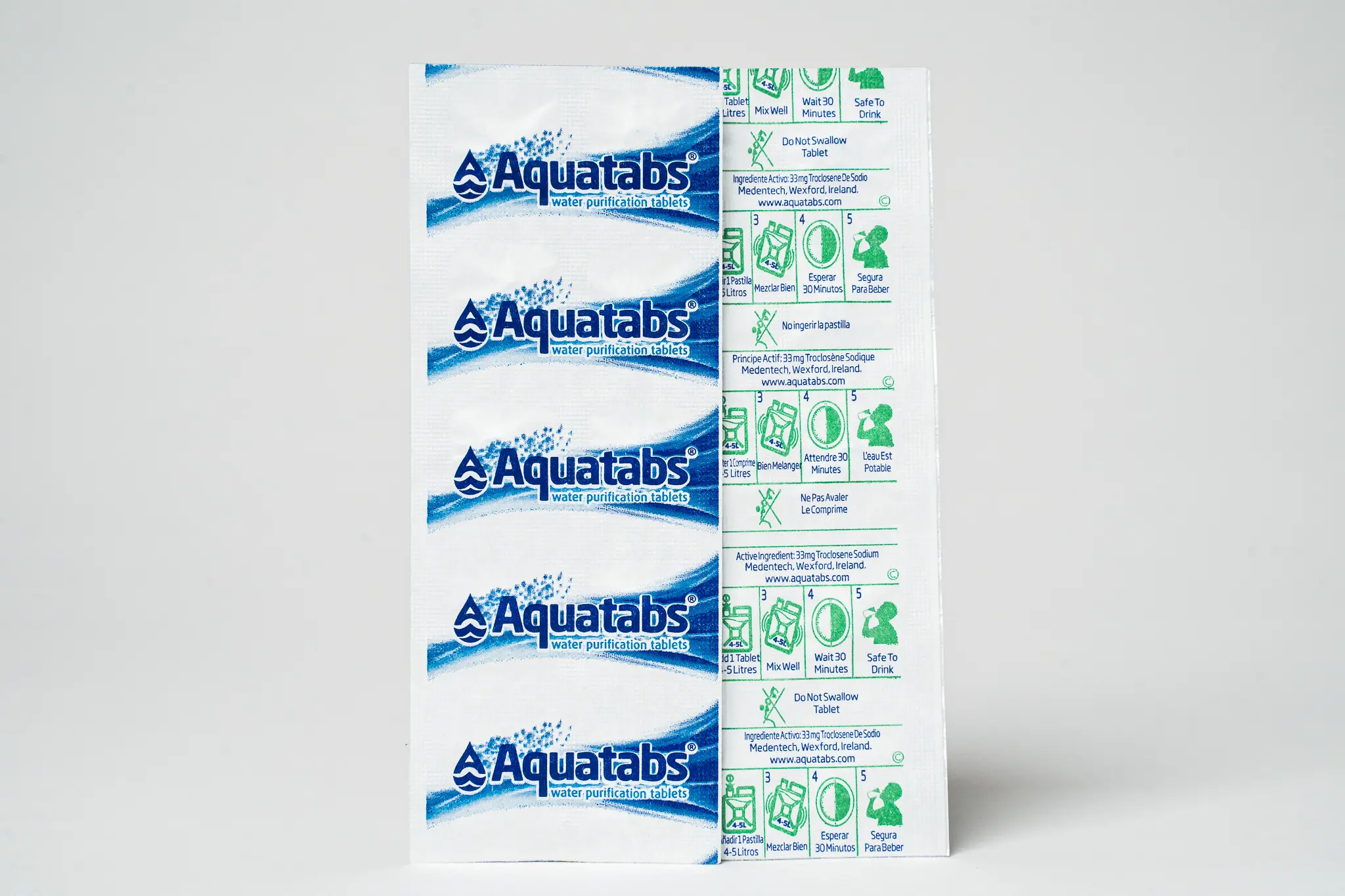
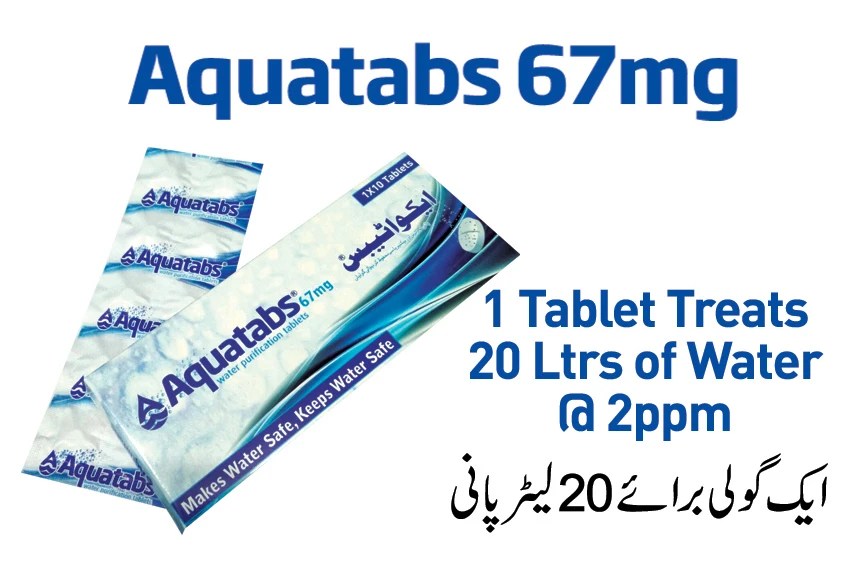
Food service operators across Pakistan, from hotel chains in major cities to caterers serving weddings, schools, and corporate events, require a disinfection method that is reliable, portable, verifiable, and suited to high-volume daily use. Treating stored water with an Aquatabs tablet provides a straightforward chemical disinfection step that addresses the biological pathogens responsible for the diseases described above, among them hepatitis E virus, Salmonella Typhi, and the diarrhoeagenic E. coli organisms that PCRWR identifies as the primary contamination risk in Pakistani municipal water. Aquatabs tablets are manufactured by Medentech to international standards and are included in WHO and UNICEF water treatment programmes for humanitarian response. The correct dosing for any specific application is stated on the product packaging, and operators must follow those instructions precisely. For any food service operation committed to protecting its guests and its professional reputation, systematic water treatment at the point of use is not a supplementary precaution; it is a fundamental one.
Sources: PCRWR National Water Quality Monitoring Programme (2020, 29 cities); WHO Eastern Mediterranean Regional Office, Hepatitis E in Pakistan; WaterAid Pakistan and LUMS, Determining the Health Cost of Inadequate Water, Sanitation and Hygiene (2024); WHO and UNICEF Joint Monitoring Programme (JMP).
Check the risk where you live
Answer three quick questions about your own water, and see what it means for your home. It takes less than a minute.
The right products for this
Related reading
- Case study · KarachiKarachi's Tanker Water Crisis: Contamination Risk and the Case for Point-of-Use Treatment
- Case study · LahoreLahore's Compounding Water Crisis: Arsenic in the Aquifer and Contamination in the Network
- Case study · FaisalabadWhen the Ground Itself Cannot Be Trusted: Arsenic and Industrial Contamination in Faisalabad's Drinking Water