
Shared Water Tanks in Housing Societies: A National Contamination Risk
4 min read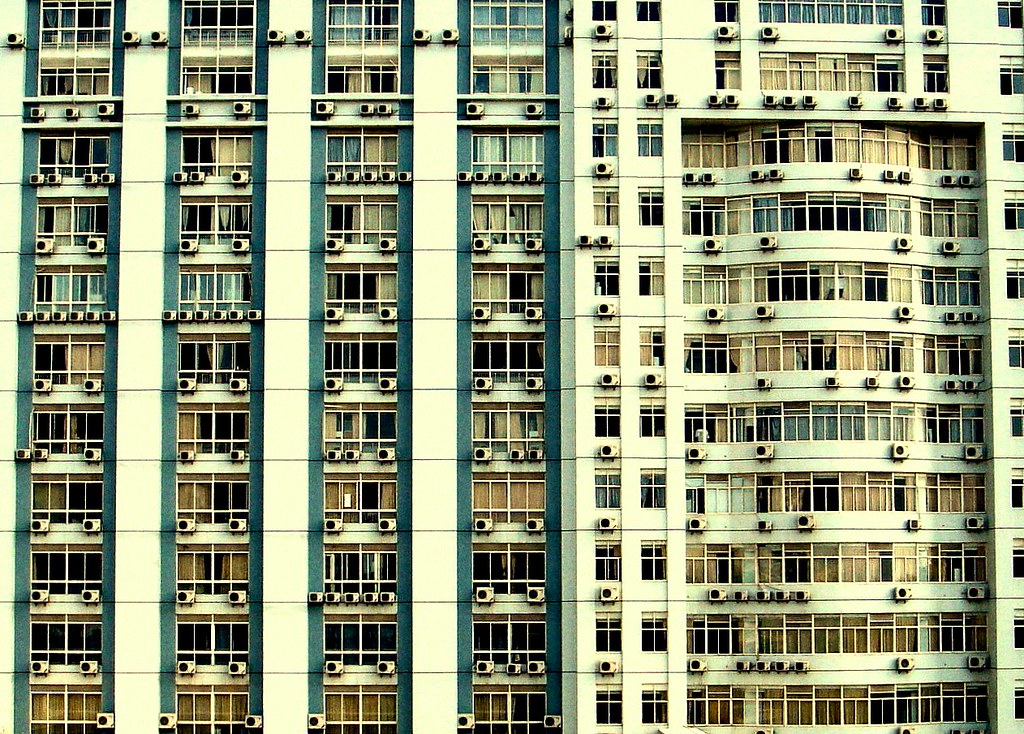
Pakistan's urban housing societies present a paradox that is poorly understood by the families who live within them. A household may reside in a well-appointed society served by a piped municipal supply and still consume water that national monitoring agencies classify as bacteriologically unsafe. The reason is not the source alone but the journey water takes once it enters the shared distribution infrastructure of the society, the underground sump, the pump, the rooftop overhead tank, and the gravity-fed pipes that deliver it to each flat and villa. At every stage of this last mile, conditions that favour microbial recontamination are present, and the evidence from Pakistan's own monitoring institutions confirms that the risk is neither marginal nor exceptional.
The National Picture: Contamination Begins at Source and Deepens in Storage
Pakistan's Pakistan Council of Research in Water Resources (PCRWR) has conducted repeated national monitoring of drinking water sources across major cities. In a benchmark exercise covering 435 sources across 29 cities, PCRWR found that only 39 per cent of sources were safe for drinking, while 61 per cent were unsafe. In individual cities the picture sharpens considerably: PCRWR data show that in Karachi, coliforms were present in over 90 per cent of tested samples and more than 80 per cent of samples were contaminated overall. In Islamabad and Rawalpindi, research drawing on the same national monitoring framework found 77 per cent of 271 samples were biologically contaminated and unfit for human use. These figures describe water at or close to the point of supply, before it has entered a shared storage vessel and sat for hours or days in conditions that bacteria find hospitable. Research cited by PCRWR found that storage water tanks in Peshawar showed 100 per cent bacterial contamination, with 60 per cent of those samples containing fecal coliform bacteria, the indicator organism for sewage-derived contamination. A shared housing society tank carries the same vulnerabilities at greater scale, because a single vessel serves tens or hundreds of households simultaneously.
According to PCRWR's national monitoring, 61 per cent of drinking water sources tested across 29 Pakistani cities were found unsafe for human consumption.
Why Shared Tanks in Housing Societies Are Particularly Vulnerable
The shared-tank model concentrates several well-documented contamination pathways into a single point of failure.
- Infrequent or undocumented cleaning: Shared tanks accumulate biofilm, sediment, and organic matter on interior surfaces. Without a regular and recorded cleaning schedule, these surfaces become persistent reservoirs for coliform bacteria, including E. coli and Klebsiella.
- Uncovered or inadequately sealed tanks: Rooftop overhead tanks are exposed to airborne dust, bird droppings, insects, and, where lids are cracked or absent, direct rainwater ingress, all of which introduce fresh microbial contamination between cleanings.
- Underground sump seepage: Subsurface storage sumps are susceptible to infiltration from surrounding soil and from adjacent sewerage infrastructure. The co-location of water supply and sewage pipes is a nationally documented problem in Pakistan, and PCRWR identifies cross-connection and leakage between the two systems as a primary route by which fecal-oral pathogens enter the distribution network.
- Intermittent supply pressure: Where mains supply is intermittent, the negative pressure that develops during off-supply periods can draw contaminated groundwater or soil water back into distribution pipes before it reaches the sump, beginning the contamination cycle before storage even starts.
- Stagnation during low-demand periods: In smaller societies or during holiday periods, water may sit in tanks for extended periods, allowing any initial microbial load to multiply to clinically significant concentrations.
- Absent independent oversight: No regulatory body in Pakistan currently mandates periodic third-party testing of shared tank water before distribution to residents, meaning that contamination in the system goes undetected until a disease cluster forces attention.
The Preventable Burden on Urban Families
The public health cost of bacteriologically unsafe stored water is not abstract. UNICEF estimates that waterborne diseases, of which diarrheal illness is the leading category, claim nearly 53,000 children under the age of five every year in Pakistan. Despite a piped supply reaching a substantial proportion of urban households, the WHO and UNICEF Joint Monitoring Programme (JMP) estimates that only around 45 per cent of Pakistan's population uses safely managed drinking water, meaning water that is accessible on premises, available when needed, and free from fecal and chemical contamination. The gap between a piped connection and a safely managed supply is precisely the space that shared tank infrastructure occupies in a housing society, and it is a gap that residents rarely see because the tank itself is out of sight, on the roof or below ground.
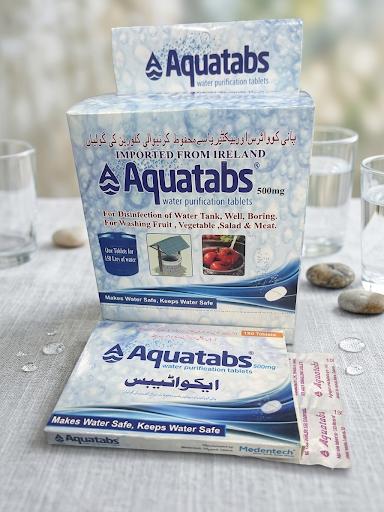
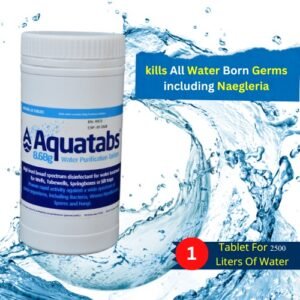
Treating water stored in overhead and household tanks with an Aquatabs tablet is a direct, evidence-based response to this risk. A single tablet, dissolved in the stored volume in accordance with the guidance printed on the pack, releases the precisely formulated dose of sodium dichloroisocyanurate required to inactivate the bacterial and viral pathogens that thrive in inadequately managed storage systems. For housing society residents who cannot control the condition of the shared sump or the overhead tank above them, point-of-use treatment of stored water before consumption is the most reliable and accessible layer of protection available against the contamination that national data show is present in the majority of urban supplies.
Sources: PCRWR (Pakistan Council of Research in Water Resources); UNICEF Pakistan; WHO and UNICEF Joint Monitoring Programme (JMP); World Bank.
Check the risk where you live
Answer three quick questions about your own water, and see what it means for your home. It takes less than a minute.
The right products for this

Related reading
- Case study · KarachiKarachi's Tanker Water Crisis: Contamination Risk and the Case for Point-of-Use Treatment
- Case study · LahoreLahore's Compounding Water Crisis: Arsenic in the Aquifer and Contamination in the Network
- Case study · FaisalabadWhen the Ground Itself Cannot Be Trusted: Arsenic and Industrial Contamination in Faisalabad's Drinking Water