
Safe Drinking Water in Pakistan's Schools: A Documented National Risk
5 min read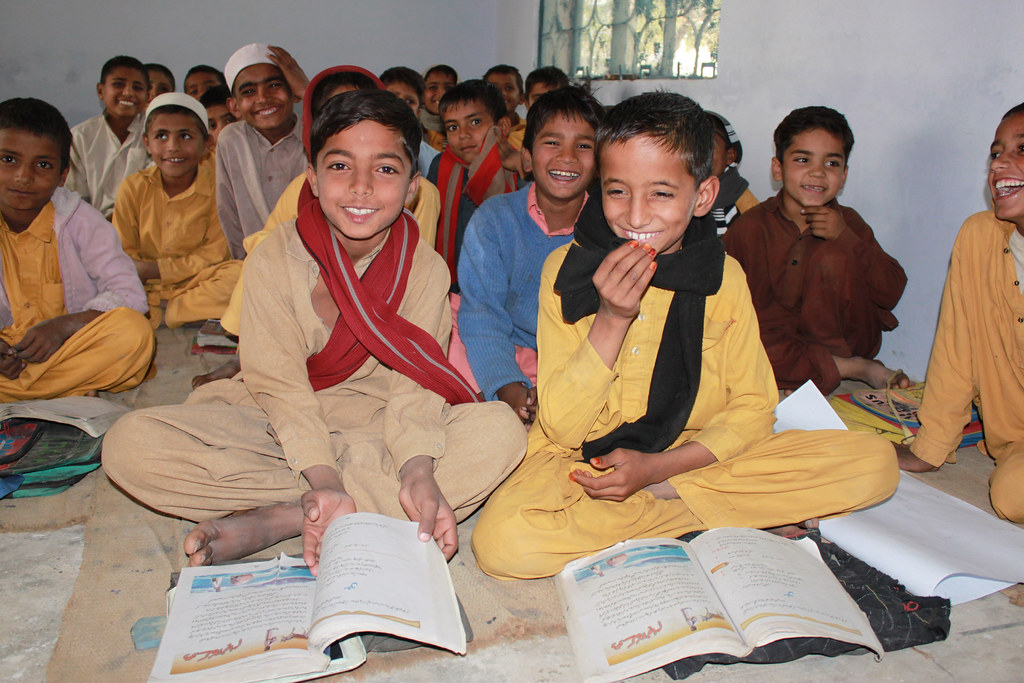
Pakistan's schools are places of learning, but for tens of millions of children they are also places of daily exposure to unsafe drinking water. The classroom, the water tap, and the storage drum together form a risk environment that most children, parents, and school administrations have come to accept as ordinary. Yet the health consequences are neither ordinary nor inevitable. They are the predictable result of a water supply system under severe contamination stress, documented repeatedly by the Pakistan Council of Research in Water Resources, the WHO and UNICEF Joint Monitoring Programme, and major peer-reviewed studies. Understanding the scale of that risk is the first step toward acting on it.
The National Water Quality Crisis
Pakistan's national water quality problem is severe and extensively documented. The Pakistan Council of Research in Water Resources (PCRWR), through its national monitoring programme spanning two decades from 2002 to 2022, found that 61 per cent of the country's drinking water sources are unsafe for consumption. Of 435 monitored sources tested across all four provinces, only 168 met safe drinking water standards. Microbial contamination, the category that poses the most immediate and acute risk to children, was detected in 41 per cent of samples. Separate regional assessments reinforce this picture: in Karachi, contamination rates reach 80 per cent of samples; in Islamabad and Rawalpindi, 56 per cent of samples showed microbial contamination. Groundwater, which feeds the majority of rural schools and community taps, carries the additional burdens of arsenic, fluoride, nitrates, and pesticide residues from agricultural runoff. Waterborne contamination does not respect urban or rural geography, provincial boundaries, or socioeconomic class, though it concentrates its harm among those least able to treat the water they receive.
According to UNICEF and WHO data, poor water and sanitation conditions in Pakistan cause approximately 97,900 deaths each year, of which an estimated 53,000 are children under five years of age.
Children and Schools: A Particularly Acute Risk
The school environment magnifies Pakistan's water quality problem in several important ways. A 2021 study of 425 primary schools across ten districts of Sindh, published in Environmental Science and Pollution Research, found that approximately half of all drinking water samples collected from school sources were contaminated with Escherichia coli, the standard bacteriological indicator of faecal contamination. The same study found Shigella in 63 per cent of samples and Vibrio cholerae in nearly half. A quantitative microbial risk assessment of those same water sources found that schoolchildren face a near-certain annual probability of exposure to E. coli, Salmonella, and cholera-causing organisms from the water they drink at school. The WHO WASH service ladder criteria classify basic WASH facilities coverage in primary schools of Sindh as overall low, a finding consistent with national patterns. Critically, none of the schools in that study had tested their drinking water quality in the preceding two years, illustrating how routine monitoring, the single most practical tool for managing risk, is almost entirely absent in the school sector.
The sector risks are compounded by a set of structural factors:
- Storage practices: water is frequently stored in open or improperly covered drums and containers, allowing post-collection contamination to accumulate before children drink it
- Absence of treatment: no routine chemical treatment of stored water takes place in the overwhelming majority of Pakistani schools
- No testing culture: formal microbiological testing of school water supplies is extremely rare, meaning contamination can persist undetected for years
- Limited staff awareness: knowledge of water treatment methods among school staff is inconsistent and rarely translated into daily practice
- Rural and peri-urban vulnerability: an estimated 69.9 per cent of rural children in Pakistan are classified as high-risk for water and sanitation exposure, and rural schools share all the same structural weaknesses as the households they serve
- Seasonal flooding: monsoon and flood events breach water sources, contaminate storage systems, and can trigger acute cholera and diarrhoeal outbreaks that move rapidly through school-age populations
The cumulative result is a disease burden that is staggering in scale. Pakistan records an estimated 6.4 million cases of paediatric diarrhoea each year. Diarrhoea reduces children's ability to absorb nutrients, accelerates malnutrition, causes school absenteeism, and in its most severe episodes can be fatal. Research on school WASH in Pakistan has found a statistically significant association between the presence of safe water and hygiene interventions at a school and children's educational performance, confirming what public health evidence has long established: children cannot learn effectively when they are ill.
Removing the Risk with Point-of-Use Treatment
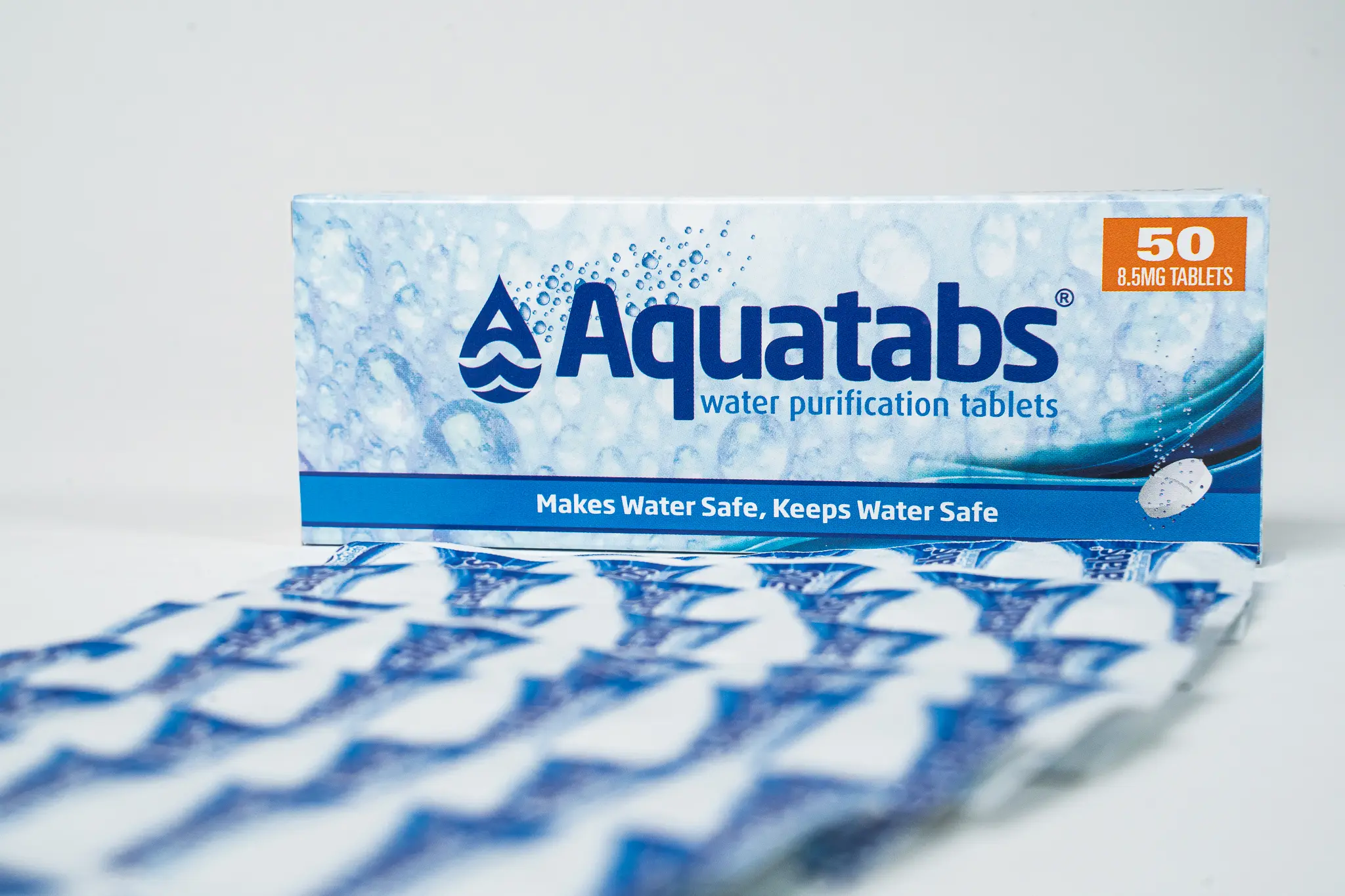
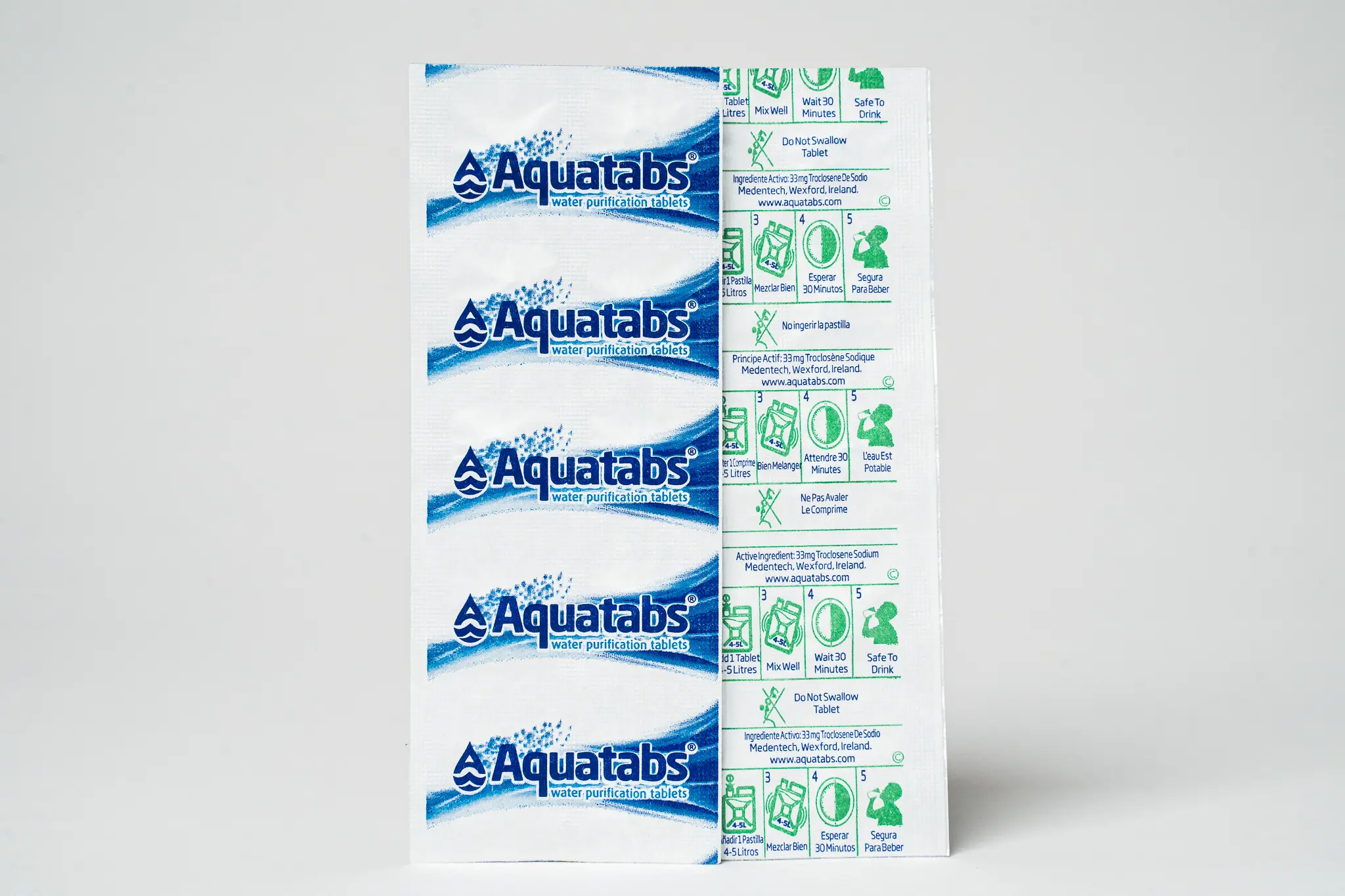
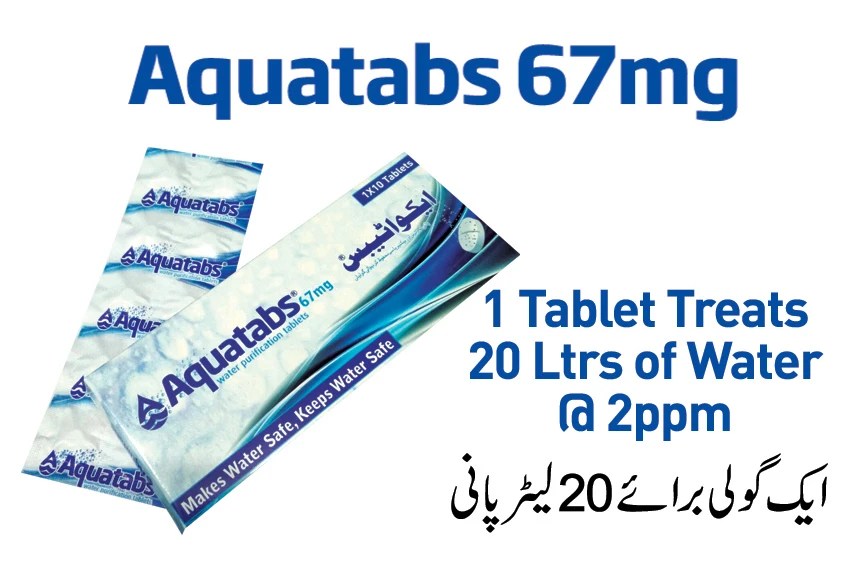
The route from contaminated water to a safe drink is not long, and it does not require infrastructure investment or specialist equipment. Point-of-use water treatment, applied at the moment of consumption, is the intervention with the strongest evidence base for breaking the chain of faecal-oral transmission in low-resource settings. An Aquatabs tablet dropped into a school's stored water, whether held in a drum, jug, or clay pot, addresses the contamination that occurs both in the supply and during handling and storage. The tablet's active ingredient, sodium dichloroisocyanurate (NaDCC), releases available chlorine into the water, inactivating the bacterial and viral pathogens responsible for diarrhoea, cholera, typhoid, and related waterborne illnesses. Dosing is straightforward: follow the instructions on the packaging for the volume of water being treated. In a school context, this means a single, low-cost intervention that a teacher, caretaker, or trained student can carry out each morning before water is distributed. Mirza Traders, as the sole importer and authorised distributor of Aquatabs in Pakistan since 2008, supplies the tablet that makes this possible. The monitoring evidence is clear, the disease burden is documented, and the solution is available.
Sources: PCRWR National Water Quality Monitoring Programme (2002–2022); WHO and UNICEF Joint Monitoring Programme, Progress on WASH in Schools 2015–2023 (published 2024); UNICEF Pakistan and WHO waterborne disease burden data; Hameed et al. (2021), "Water and sanitation risk exposure in children under-five in Pakistan," BMC Public Health (PMC8213103); Quantitative Microbial Risk Assessment of Drinking Water Quality in primary-school children, Sindh (PMC7215448); Frontiers in Water (2024), water management and health impacts in Pakistan; narrative review of diarrhoeal illness in Pakistani children, Health Science Reports (PMC9811062); Daud et al. (2017), "Drinking Water Quality Status and Contamination in Pakistan," BioMed Research International (PMC5573092).
Check the risk where you live
Answer three quick questions about your own water, and see what it means for your home. It takes less than a minute.
The right products for this
Related reading
- Case study · KarachiKarachi's Tanker Water Crisis: Contamination Risk and the Case for Point-of-Use Treatment
- Case study · LahoreLahore's Compounding Water Crisis: Arsenic in the Aquifer and Contamination in the Network
- Case study · FaisalabadWhen the Ground Itself Cannot Be Trusted: Arsenic and Industrial Contamination in Faisalabad's Drinking Water