
Safe Water in Emergencies: Point-of-Use Treatment for Pakistan's Relief Sector
4 min read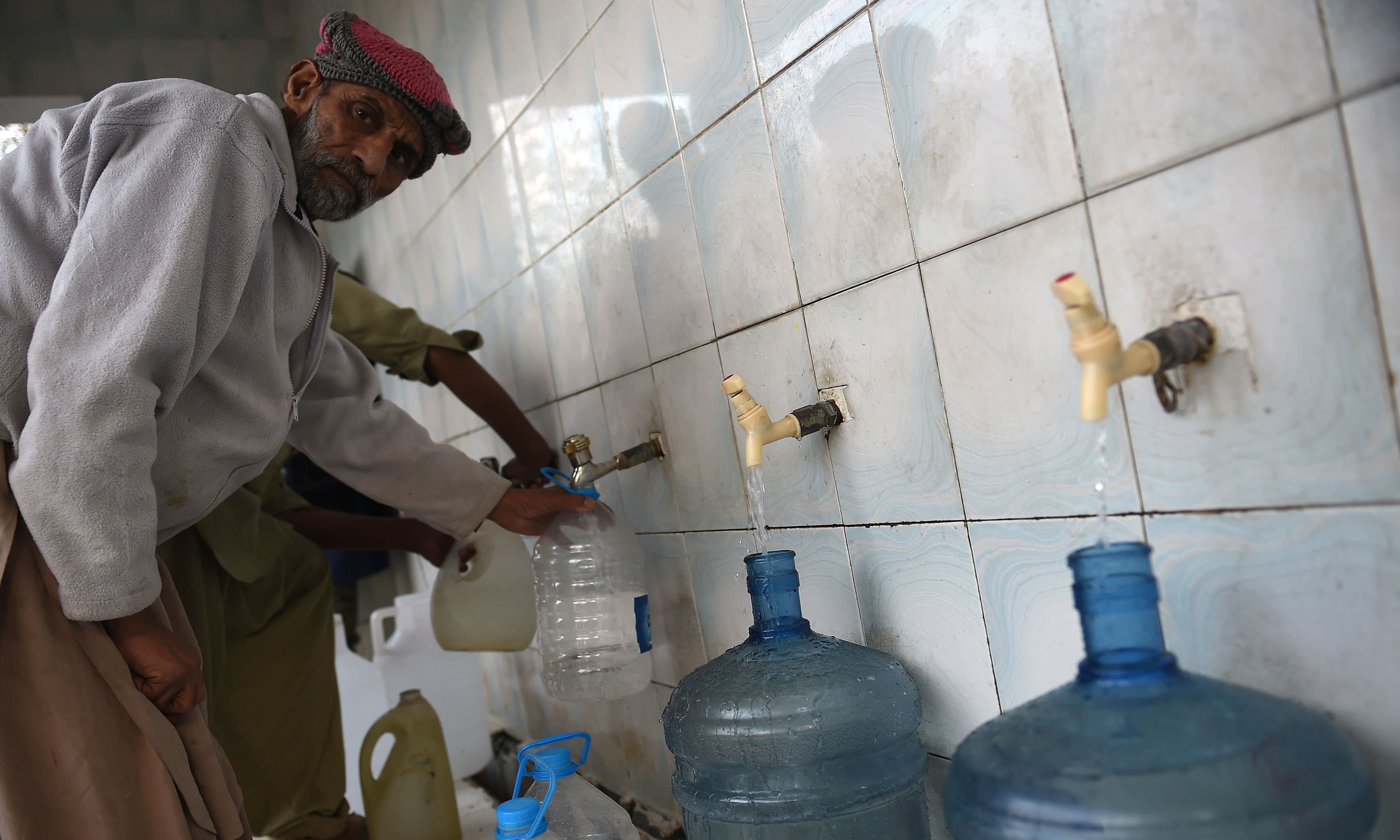
Pakistan sits at an acute intersection of climate vulnerability and water insecurity. Each monsoon season brings the renewed threat of widespread inundation, and the catastrophic floods of 2022 demonstrated with devastating clarity what that means for public health. One third of the country was submerged, more than 33 million people were affected, and within weeks a water crisis of extraordinary scale had taken hold. Even in ordinary times, access to safely managed drinking water is far from universal across Pakistan; when floodwaters overwhelm supply infrastructure, contaminate wells, and displace millions of people to temporary shelters, the risk of waterborne illness intensifies rapidly and the burden falls most heavily on children.
The Baseline Fragility Pakistan Carries Into Every Emergency
Before any flood strikes, the country already carries a heavy structural deficit in water safety. The Pakistan Council of Research in Water Resources has documented, through systematic testing of sources across the country, that nearly 75 per cent of drinking water sources are contaminated and unsafe, with microbial contamination identified as the primary threat to public health, present in 68 per cent of samples tested in major cities. UNICEF has noted that, although Pakistan's drinking water supply system nominally covers around 92 per cent of the population, only approximately 36 per cent of the water delivered through those networks was considered safe for consumption even before the 2022 floods struck. In rural areas, dependence on unprotected wells and surface water is widespread, and the concentrations of microbial pathogens in those sources are high. Waterborne disease, driven principally by faecal-oral transmission through contaminated drinking water, accounts for the overwhelming majority of communicable disease burden in the country, and diarrhoeal illness is among the leading causes of death in children under five.
According to UNICEF, six months after the 2022 floods, more than 10 million people in flood-affected areas of Pakistan remained without access to safe drinking water.
How Floods Compound the Risk for Relief Operations
When a major flood event occurs, the already fragile baseline collapses entirely. Floodwaters breach septic systems, pit latrines, and agricultural waste storage, mixing faecal matter and industrial contaminants into the same water bodies that communities depend on for drinking and cooking. In the aftermath of the 2022 floods, official figures recorded tens of thousands of diarrhoea cases in a single day in Sindh province alone. More than 5.4 million people, including 2.5 million children, were documented by UNICEF as relying solely on contaminated water from ponds and open wells because no alternative source was available to them. Open defecation rates in affected areas rose sharply as sanitation infrastructure was destroyed, creating a feedback cycle in which contamination of water sources accelerated further.
For relief organisations operating in this environment, the risks specific to the emergency and relief sector include the following.
- Disruption of centralised treatment, because municipal water treatment plants are among the first facilities to be damaged or taken offline during a major flood event
- Contamination of borehole and well water, because rising groundwater levels and surface runoff carry pathogens directly into previously clean subsurface sources
- Supply chain breakdown, because bottled water deliveries cannot reach isolated or inundated communities and bulk tanker logistics are too slow and too costly to operate at scale
- Congregate displacement settings, because emergency camps concentrate people in conditions where a single contaminated water point can generate a cluster outbreak with dangerous speed
- Child vulnerability, because children under five face the highest mortality risk from diarrhoeal disease and are disproportionately represented in displaced populations
Treating Stored Water at the Point of Use
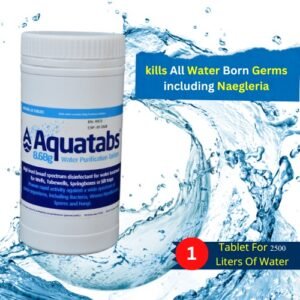
The international humanitarian system has long recognised point-of-use water treatment as a critical layer of protection when centralised water supply cannot be guaranteed. Chlorination delivered through a certified effervescent tablet is a practical, low-cost, and rapid intervention that requires no electricity, no specialist equipment, and no supply chain beyond the tablets themselves. A single tablet treats a standard household volume of water, eliminating the microbial load responsible for diarrhoea, typhoid, and cholera. For dosing guidance in all situations, relief workers and households should follow the instructions on the pack.
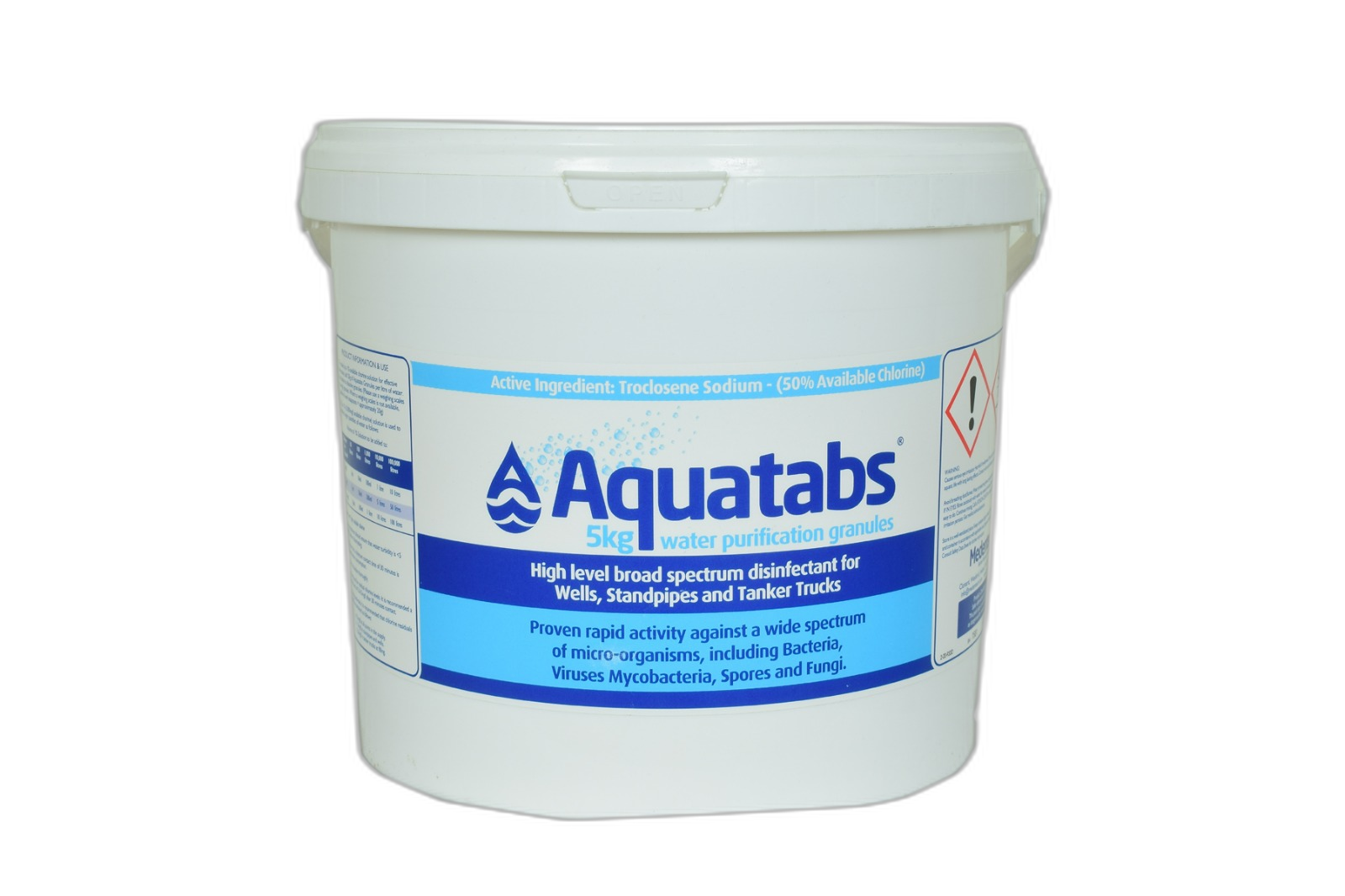
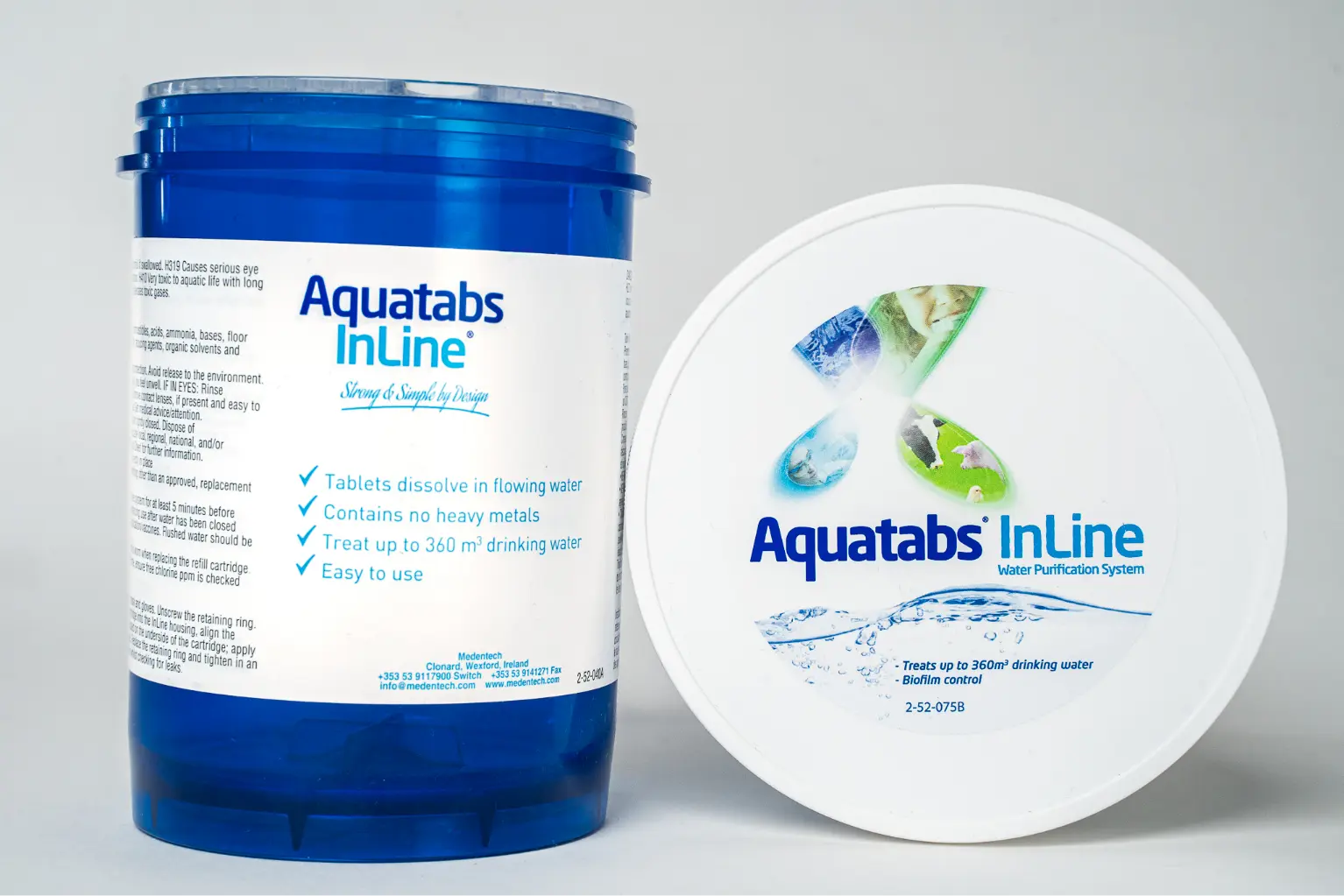
Aquatabs tablets, produced by Medentech in Ireland and distributed in Pakistan by Mirza Traders, the sole authorised importer since 2008, are the product that meets these requirements in the Pakistani relief and emergency context. They are used by humanitarian agencies globally, are manufactured to a consistent quality standard, and are available through established distribution channels within Pakistan. When a relief organisation pre-positions Aquatabs ahead of a flood season, or distributes them from forward stores during an active emergency, each household or shelter receiving a supply gains an immediate, independent capacity to produce safe drinking water from whatever source is available, without depending on a supply chain that the disaster itself may have severed. Treating stored water with an Aquatabs tablet is not a substitute for restoring infrastructure, but it is the intervention that bridges the gap between the moment of contamination and the moment when clean supply is restored, and in that interval it saves lives.
Sources: UNICEF Pakistan (2022 floods press releases and March 2023 situation report); WHO and UNICEF Joint Monitoring Programme (JMP); PCRWR (Pakistan Council of Research in Water Resources); World Bank and Government of Pakistan Pakistan Floods 2022 Post-Disaster Needs Assessment.
Check the risk where you live
Answer three quick questions about your own water, and see what it means for your home. It takes less than a minute.
The right products for this
Related reading
- Case study · KarachiKarachi's Tanker Water Crisis: Contamination Risk and the Case for Point-of-Use Treatment
- Case study · LahoreLahore's Compounding Water Crisis: Arsenic in the Aquifer and Contamination in the Network
- Case study · FaisalabadWhen the Ground Itself Cannot Be Trusted: Arsenic and Industrial Contamination in Faisalabad's Drinking Water