
Safe Drinking Water on Pakistan's Construction Sites
3 min read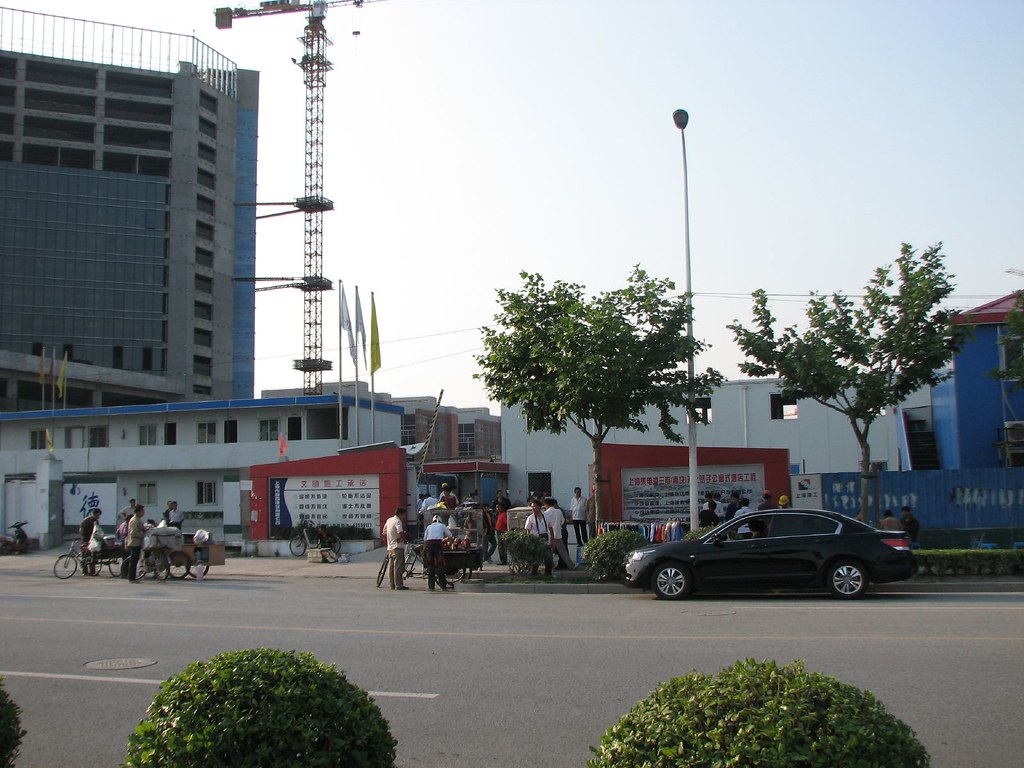
Pakistan's construction sector employs millions of workers who spend long shifts in demanding outdoor conditions, often in locations far from reliable municipal infrastructure. The question of safe drinking water on these sites is not a secondary concern but a direct occupational health matter, one that sits at the intersection of Pakistan's broader national water crisis and the daily realities faced by workers who move between project sites, carry their own vessels, and rely on whatever water their contractor or site manager has arranged. Understanding the risk requires looking first at the national picture, then at the conditions specific to construction work.
Pakistan's Water Quality Challenge
The scale of Pakistan's safe water deficit is well documented by international monitoring bodies. According to the WHO and UNICEF Joint Monitoring Programme (JMP), a large majority of Pakistan's population does not have access to safely managed drinking water, defined as water that is free from contamination, accessible on premises, and reliably available when needed. The Pakistan Council of Research in Water Resources (PCRWR) has documented in its annual water quality reports that a substantial proportion of drinking water samples collected across Pakistani cities and districts fail to meet bacteriological quality standards, with faecal indicator organisms including E. coli detected at rates that point to contamination across supply chains, storage vessels, and groundwater sources. The World Bank has identified Pakistan as one of the most water-stressed countries in the world, a status that concentrates risk on those with the least control over their water sources.
According to the WHO and UNICEF Joint Monitoring Programme, as of the most recent reporting cycle, only approximately 36 per cent of Pakistan's population has access to safely managed drinking water.
Risks Specific to Construction Sites
The construction environment creates a particular combination of conditions that elevates the risk of waterborne illness well above the national baseline for the general population:
- Water is frequently transported and stored in open tanks, barrels, or drums that remain exposed to construction dust, debris, surface runoff, and insect contact throughout the working day
- Shared drinking vessels and communal water points create direct pathways for pathogen transmission between workers
- High ambient temperatures, especially during Pakistan's summer months, accelerate microbial growth in standing water, meaning a container that was within acceptable limits in the morning may not be safe by midday
- Workers on large urban and infrastructure projects are often supplied water by tankers whose source quality is unverified and whose delivery process introduces further contamination risk at the point of transfer
- The physical demands of construction work increase fluid consumption considerably, so any contamination present in the water supply affects workers more severely than it would a sedentary population
- Occupational health oversight on construction sites in Pakistan is inconsistently applied, and water quality monitoring is rarely included in site safety protocols, leaving decisions about water provision largely to individual contractors
These conditions combine to make construction workers a high-risk group for diseases including cholera, typhoid, hepatitis A, and acute gastroenteritis, all of which cause preventable suffering, significant loss of working days, and avoidable medical expenditure for workers and their families.
Removing the Risk with Treated Water
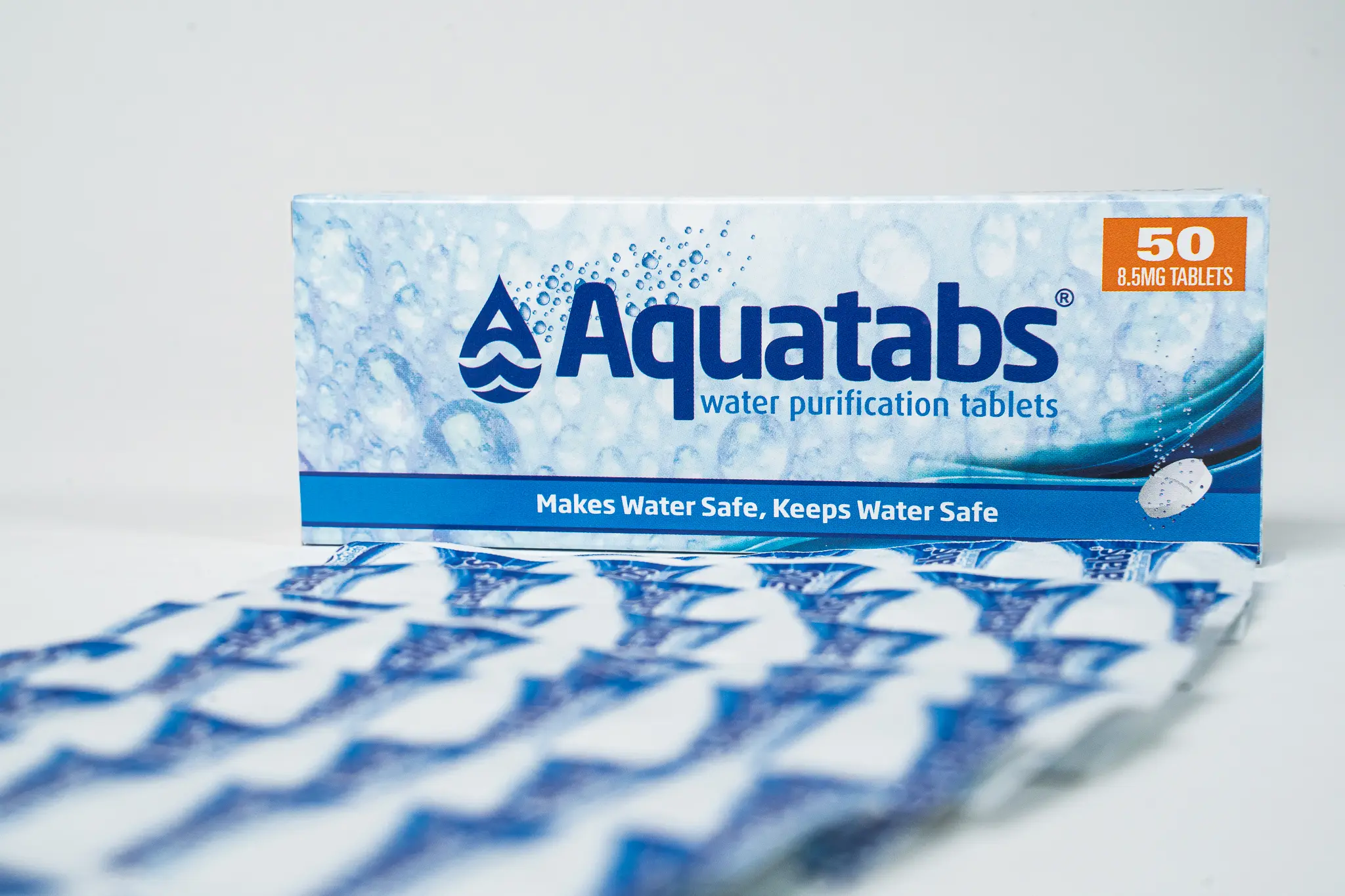
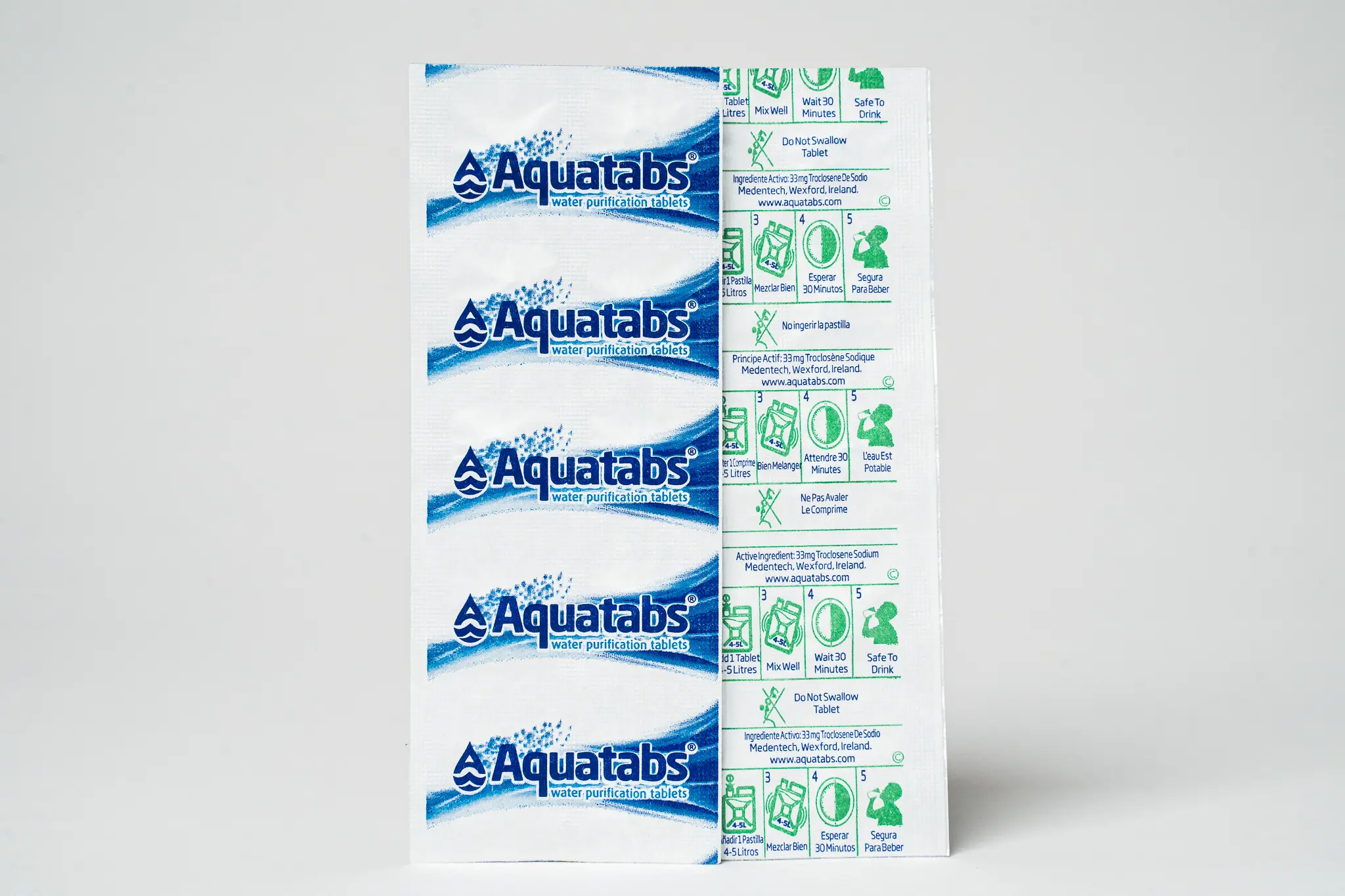
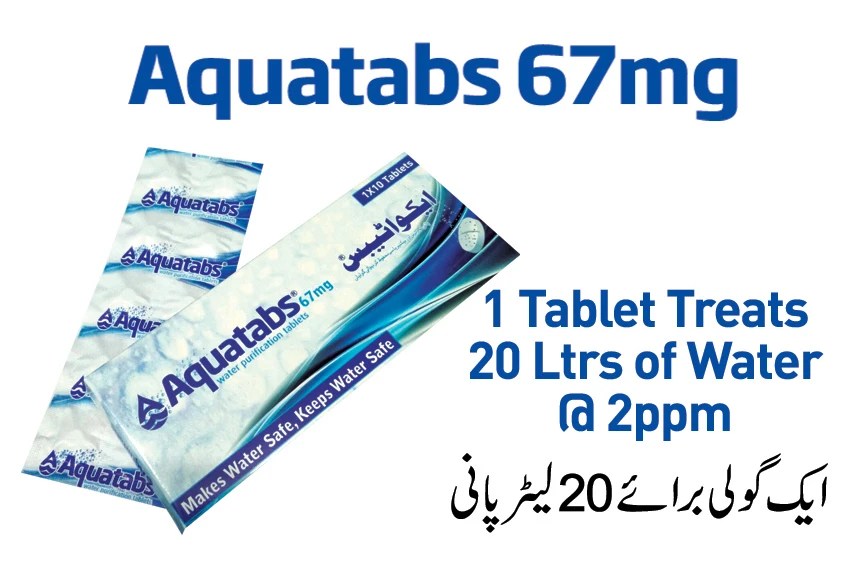
The fundamental step that eliminates the biological risk in stored drinking water is disinfection at the point of use. When water is treated with an Aquatabs tablet before consumption, the active ingredient neutralises the pathogens that are introduced during transport, storage, and handling. For workers on construction sites, this means that regardless of where the water originated, it can be made safe to drink at the point of use, whether in a barrel, a tank, or a personal vessel, without the need for electricity, fuel, or specialised equipment. The correct dosage is stated on the packaging and should always be followed precisely. Mirza Traders, the sole importer and authorised distributor of Aquatabs in Pakistan since 2008, supplies Aquatabs through retail and institutional channels, so contractors, site managers, and individual workers can access effective water treatment wherever they are working across the country.
Sources: WHO and UNICEF Joint Monitoring Programme (JMP); PCRWR (Pakistan Council of Research in Water Resources); UNICEF Pakistan; World Bank.
Check the risk where you live
Answer three quick questions about your own water, and see what it means for your home. It takes less than a minute.
The right products for this
Related reading
- Case study · KarachiKarachi's Tanker Water Crisis: Contamination Risk and the Case for Point-of-Use Treatment
- Case study · LahoreLahore's Compounding Water Crisis: Arsenic in the Aquifer and Contamination in the Network
- Case study · FaisalabadWhen the Ground Itself Cannot Be Trusted: Arsenic and Industrial Contamination in Faisalabad's Drinking Water