
Saline Groundwater and the Safe-Water Challenge in Bahawalpur
5 min read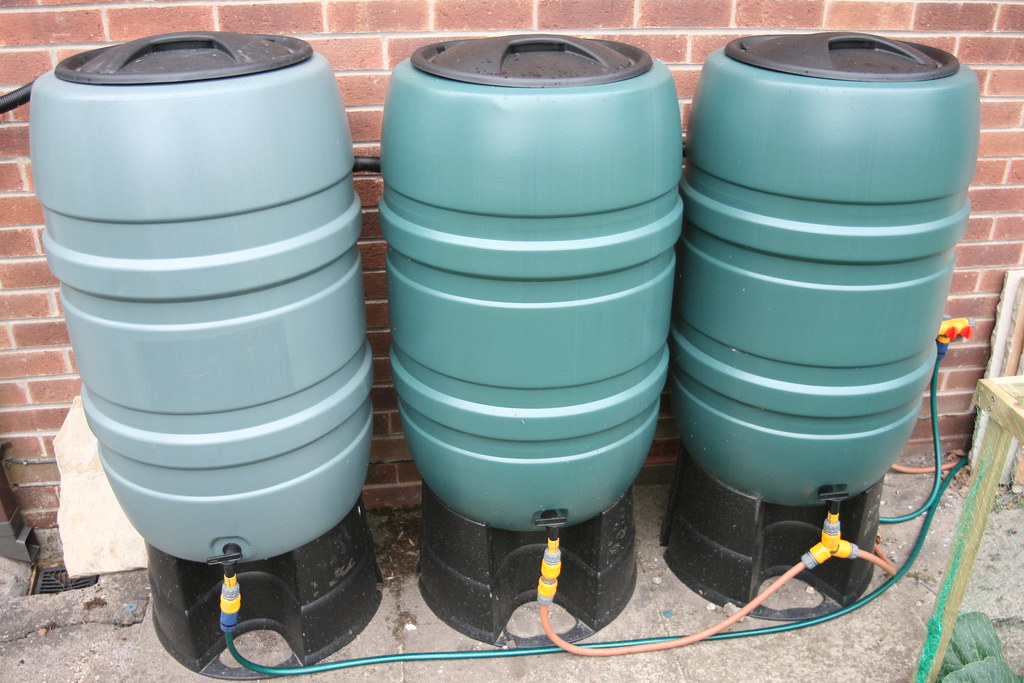
Bahawalpur, the historic city at the edge of the Cholistan desert in southern Punjab, sits above one of Pakistan's most demanding hydrogeological environments. Research by the Pakistan Council of Research in Water Resources (PCRWR) has confirmed that groundwater across most of the district carries total dissolved solids (TDS) far in excess of safe drinking limits, rendering the aquifer brackish to deeply saline across much of its extent, and contaminated in several localities with hazardous concentrations of arsenic and other mineral compounds. A narrow freshwater corridor follows the old bed of the Sutlej River and the ancient Hakra channel, but communities beyond it, across the vast Cholistan desert, have relied for centuries on rainwater collected in open earthen reservoirs known as tobas, supplemented by government pipelines and, during acute dry spells, by emergency water tankers. This combination of an unusable aquifer, scarce seasonal surface water, and open storage containers creates a layered public health challenge that infrastructure development alone cannot quickly resolve.
The Scale of Pakistan's Safe-Water Gap
According to the WHO and UNICEF Joint Monitoring Programme (JMP), approximately 55 percent of Pakistan's population still lacks access to safely managed drinking water, placing Pakistan among the most water-stressed nations in South Asia.
The PCRWR, the federal body responsible for national water quality monitoring, found in its most recent assessment that only 32 percent of monitored drinking water sources across Pakistan were safe for human consumption, with 68 percent failing quality standards. Microbiological contamination accounted for the single largest share of failures, with 59 percent of all tested sources found biologically unfit. Punjab province, in which Bahawalpur is situated, recorded 61 percent of monitored sources as unsafe on microbiological grounds alone. These are provincial averages; in districts where the aquifer is unusable and communities depend on collected or transported water, the actual risk profile is considerably worse than the mean.
Cholistan's Compound Risk: Salinity, Arsenic, and Open Storage
Bahawalpur's water problem is not one of contamination alone but of dual scarcity. The aquifer beneath most of the district is saline and undrinkable, while rainwater is seasonal, limited in volume, and, once stored in open containers, vulnerable to biological spoilage. PCRWR analyses conducted over more than a decade document that groundwater in most localities in the district carries TDS exceeding 5,000 parts per million, well above the WHO guideline of 1,000 ppm for drinking water. The same body of research has recorded arsenic concentrations in Bahawalpur samples ranging up to 104 micrograms per litre, with a significant proportion of tested sources exceeding the WHO safe threshold of 10 micrograms per litre, a finding consistent with the broader contamination pattern documented across southern Punjab. Cholistan's approximately 1,150 tobas, of which only a fraction hold usable water at any given time, represent the primary supply for many pastoral and nomadic communities; when drought reduces toba levels, families travel farther to reach water or accept sources of uncertain biological quality, compressing the time and means available for any treatment step.
The principal local and sector risks include the following.
- Saline groundwater: TDS above 5,000 ppm across most of district Bahawalpur renders subsurface water undrinkable for the majority of the population living beyond the river corridor
- Arsenic contamination: PCRWR-analyzed samples from Bahawalpur show arsenic concentrations that, in a large share of tested sources, exceed WHO safe limits by multiples
- Open toba storage: Rainwater held in uncovered earthen reservoirs is exposed to evaporation, dust, animal contact, and biological growth, particularly under the intense summer temperatures of the desert
- Water tanker dependence: Communities reliant on delivered water have limited control over source quality and over conditions during transit and distribution to households
- Seasonal and drought-driven scarcity: Worsening drought conditions reduce toba levels and push communities toward increasingly marginal sources, raising biological risk at the point of collection
- Distance and cost burden: Fetching water from distant sources places a disproportionate burden on women and children, reduces time available for treatment, and raises the unit cost of safe water for low-income households
Waterborne Illness and the Human Cost
The foreseeable consequence of biological contamination in stored and transported water is diarrhoeal disease, the primary waterborne illness affecting Pakistani children. An estimated 250,000 children in Pakistan die from diarrhoeal disease each year, a toll that reflects the systemic failure of water safety across the country. The WHO estimates that almost 90 percent of child deaths from diarrhoeal disease globally are directly attributable to contaminated water, poor sanitation, or inadequate hygiene, the precise cluster of risk factors that converges in communities reliant on open stored water without any treatment step. Waterborne diseases as a category are estimated to account for a large share of all illness in Pakistan, and the burden is borne most severely by children under five and by households in areas such as Bahawalpur where a clean source cannot simply be drawn from the ground.
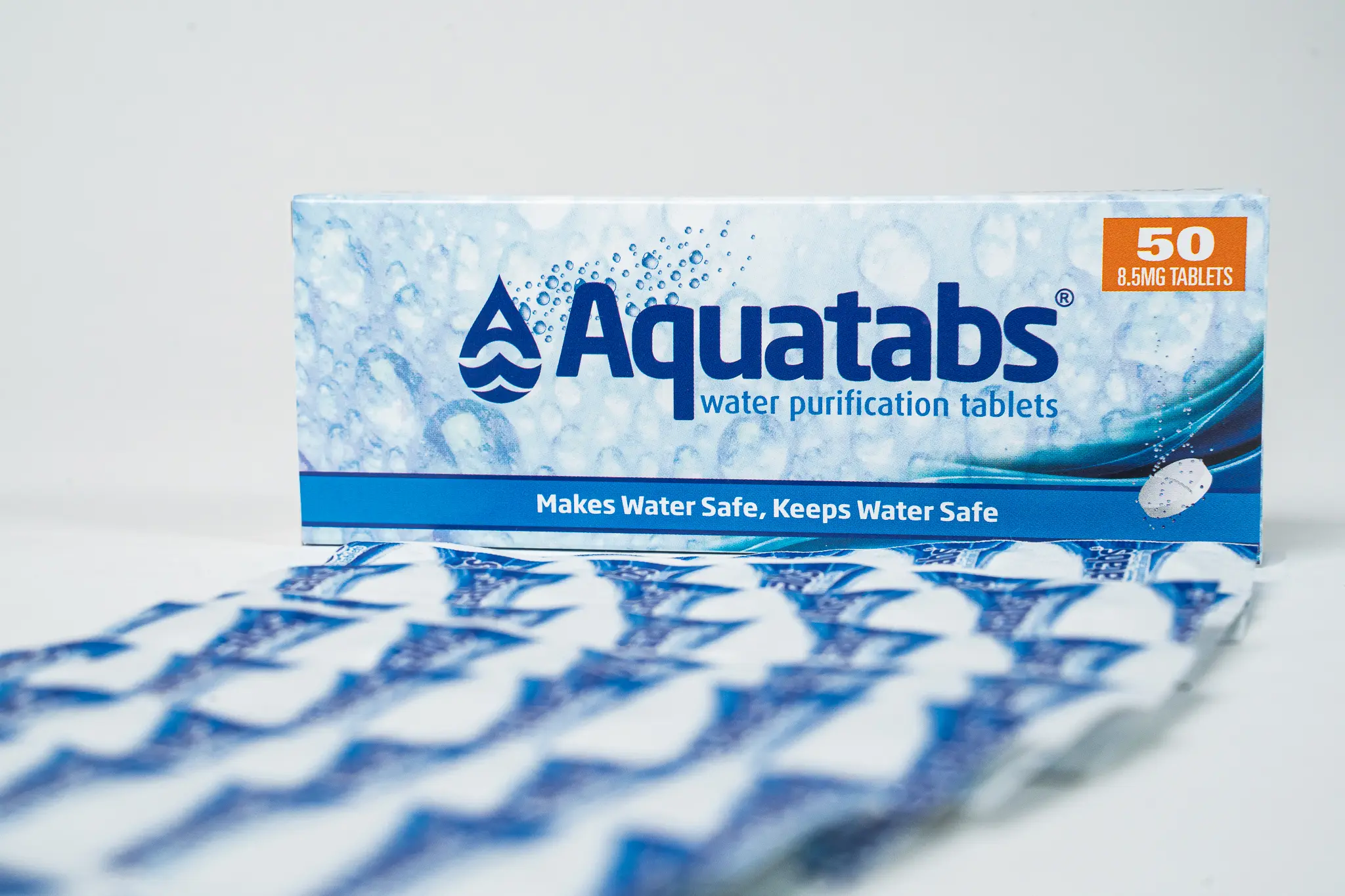
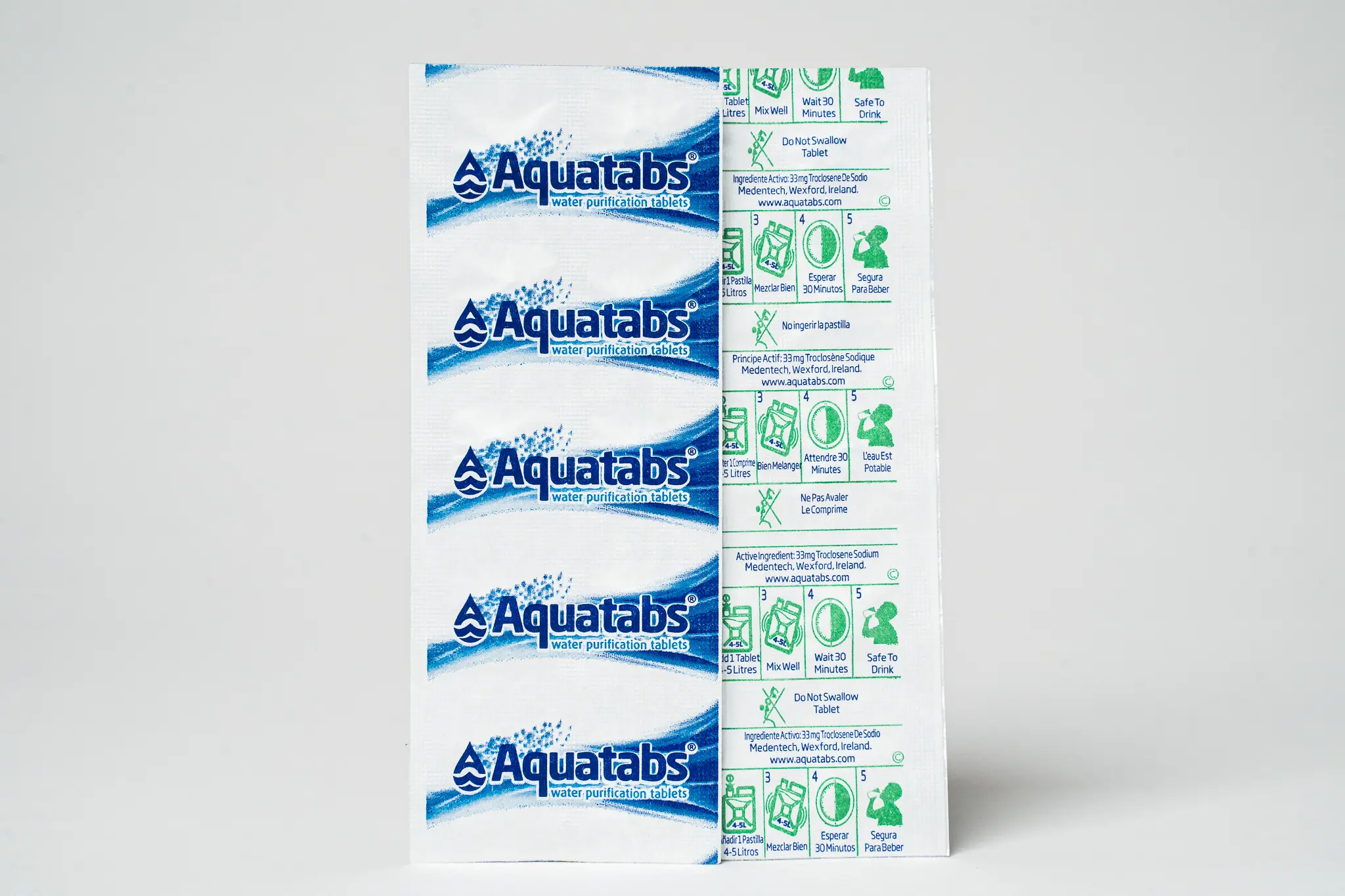
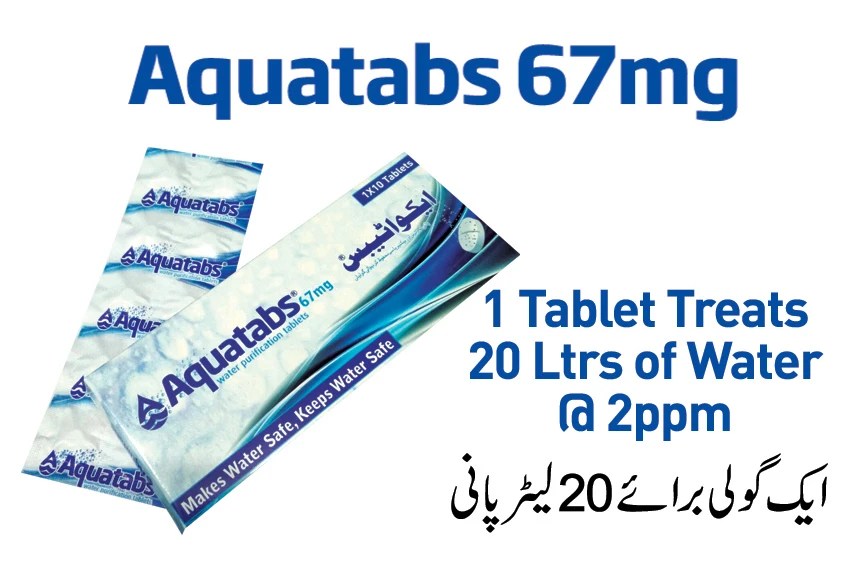
For families across Bahawalpur and Cholistan who cannot rely on a chemically tested piped supply, point-of-use treatment of stored water is the most practical and evidence-supported intervention available. An Aquatabs tablet, dissolved in stored water according to the instructions on the pack, releases the active chlorine compound that kills the bacteria, viruses, and pathogens responsible for diarrhoeal disease, rendering collected rainwater, toba water, or tanker-delivered water safe to drink at the moment of use. The tablet does not reduce salinity or remove arsenic, so households in areas of highly saline or arsenic-affected groundwater still require an acceptable source, whether a government pipeline, a tanker supply, or clean harvested rainwater. Once that source is secured, however, Aquatabs provides the final and critical step of biological disinfection that protects the household against the contamination that most commonly enters water during storage and handling. For Bahawalpur's most vulnerable families, that single step is the difference between safe water and preventable illness.
Sources: WHO and UNICEF Joint Monitoring Programme (JMP) 2025; PCRWR Water Quality Monitoring Reports and District Studies including Bahawalpur Regional Office analyses (2002 to 2025); WHO Diarrhoeal Disease Fact Sheet; Cholistan Development Authority water infrastructure data; peer-reviewed hydrogeology studies on Bahawalpur and Cholistan groundwater published in PLOS One and Scientific Reports.
Check the risk where you live
Answer three quick questions about your own water, and see what it means for your home. It takes less than a minute.
The right products for this
Related reading
- Case study · KarachiKarachi's Tanker Water Crisis: Contamination Risk and the Case for Point-of-Use Treatment
- Case study · LahoreLahore's Compounding Water Crisis: Arsenic in the Aquifer and Contamination in the Network
- Case study · FaisalabadWhen the Ground Itself Cannot Be Trusted: Arsenic and Industrial Contamination in Faisalabad's Drinking Water