
Gujranwala's Groundwater Under Pressure: Industrial Contamination and the Safety of Stored Water
4 min read
Gujranwala is Pakistan's third largest industrial centre, a city of more than five million people whose output in steel, ceramics, electroplating, and light engineering accounts for an estimated seven per cent of the national GDP and over seventy per cent of the country's metal-based manufactured goods. That industrial vitality has placed its groundwater under sustained, documented pressure. Decades of untreated effluent discharge from more than eight thousand small and medium manufacturing units, operating largely without wastewater treatment infrastructure, have allowed heavy metals and chemical compounds to migrate into the aquifers that many households continue to draw from. The Pakistan Council of Research in Water Resources (PCRWR) has identified Gujranwala among the Punjab cities most severely affected by elevated toxic metal concentrations in drinking water, and peer-reviewed research published in Scientific Reports in 2024 confirmed that chromium and lead exceeded WHO permissible limits at more than twenty per cent of sampling sites across the city's industrial zones.
The Industrial Contamination Pathway
Gujranwala's industrial profile is the direct source of its water quality challenge. Electroplating workshops, ceramic kilns, steel mills, and textile dyeing units generate effluent streams laden with hexavalent chromium, cadmium, and lead, compounds that are persistent in soil and highly mobile in groundwater. Where effluent treatment plants are absent or bypassed, these compounds seep into shallow aquifers through unlined channels and open discharge points. Published research across Gujranwala's industrial zones has recorded mean lead concentrations as high as 0.573 mg/L and mean cadmium concentrations of 0.331 mg/L in drinking water samples, figures that are multiples of the WHO permissible limits for each compound. This chemical contamination burden is compounded by the infiltration of untreated sewage, which introduces faecal coliforms and pathogenic bacteria into the same water table, so that households drawing from boreholes and hand pumps face both chemical and microbial hazards simultaneously.
A National Emergency Concentrated in One City
The groundwater situation in Gujranwala is not an isolated failure but a concentrated expression of a national emergency. PCRWR monitoring across 23 major Pakistani cities found that between 84 and 89 per cent of water sources fell below recommended standards for human consumption. A subsequent PCRWR monitoring round found 61 per cent of sampled sources unsafe for drinking. Bacteriological contamination is the single most prevalent water quality failure across the country, accounting for 68 per cent of all identified water quality deficiencies in PCRWR data. The WHO and UNICEF Joint Monitoring Programme (JMP) data for Pakistan shows that despite infrastructure nominally covering the majority of the population, the share of Pakistanis with access to safely managed drinking water remains critically low. A UNICEF press release from March 2023 confirmed that only 36 per cent of Pakistan's water supply is considered safe for consumption, placing the country among the most water-insecure in South Asia.
According to PCRWR, bacteriological contamination accounts for 68 per cent of all water quality deficiencies identified across Pakistan's monitored drinking water sources, making microbial risk the most pervasive single threat in the national water supply.
The specific risks facing residents of Gujranwala, and in particular those in or near the city's industrial zones, include:
- Chromium and lead at concentrations exceeding WHO limits at more than one in five sampling sites in monitored industrial areas
- Cadmium at mean levels that are multiples of WHO permissible values in the most contaminated zones
- Arsenic detected in groundwater samples across the wider Gujranwala district at levels of documented concern in published research
- Faecal and bacteriological contamination from sewage infiltration into the water table, placing children, pregnant women, and elderly residents at the greatest risk
- Re-contamination of water during collection, transport, and household storage, even where the drawn source water meets minimum quality thresholds
Protecting the Household: Point-of-Use Treatment
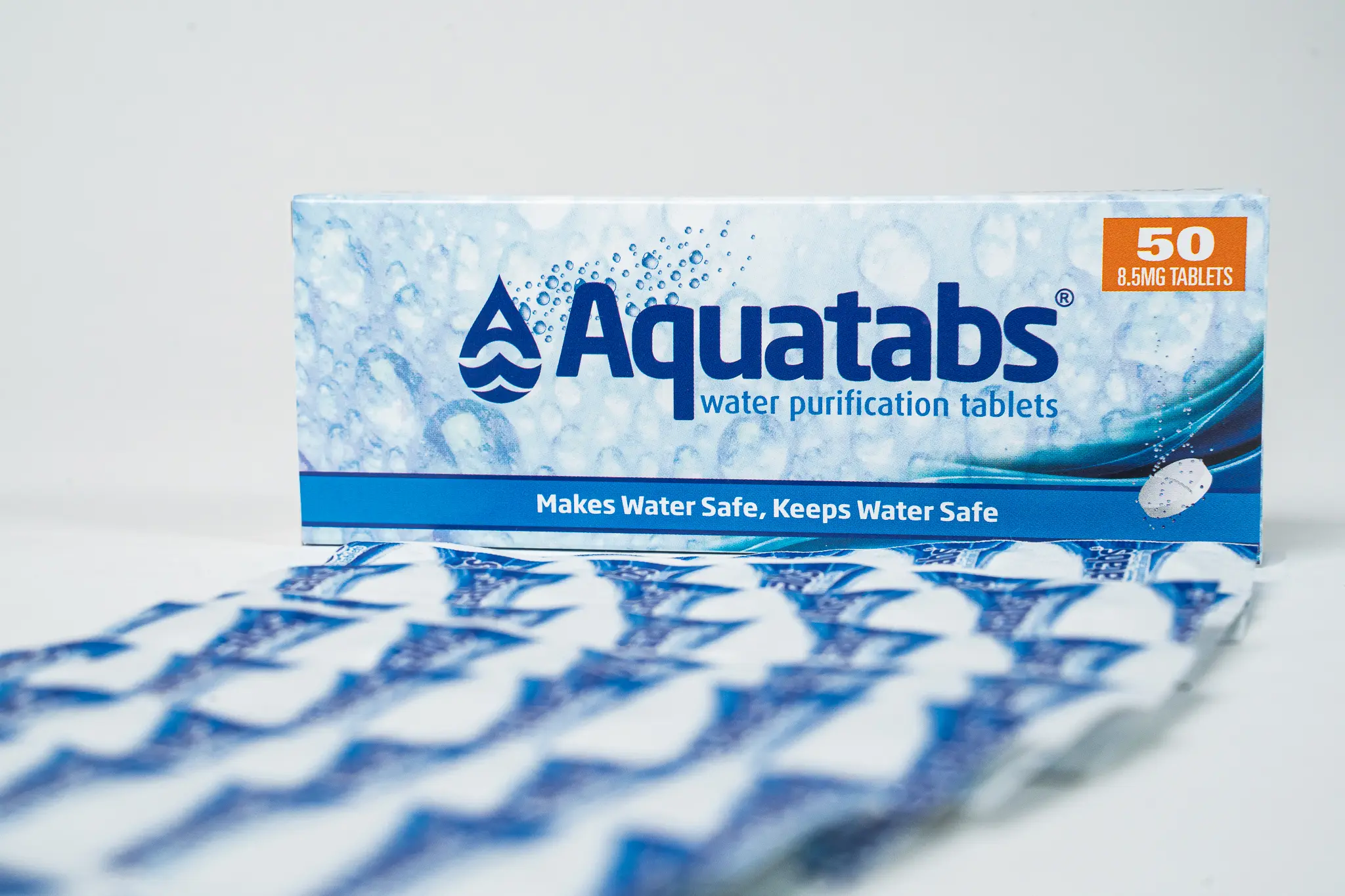
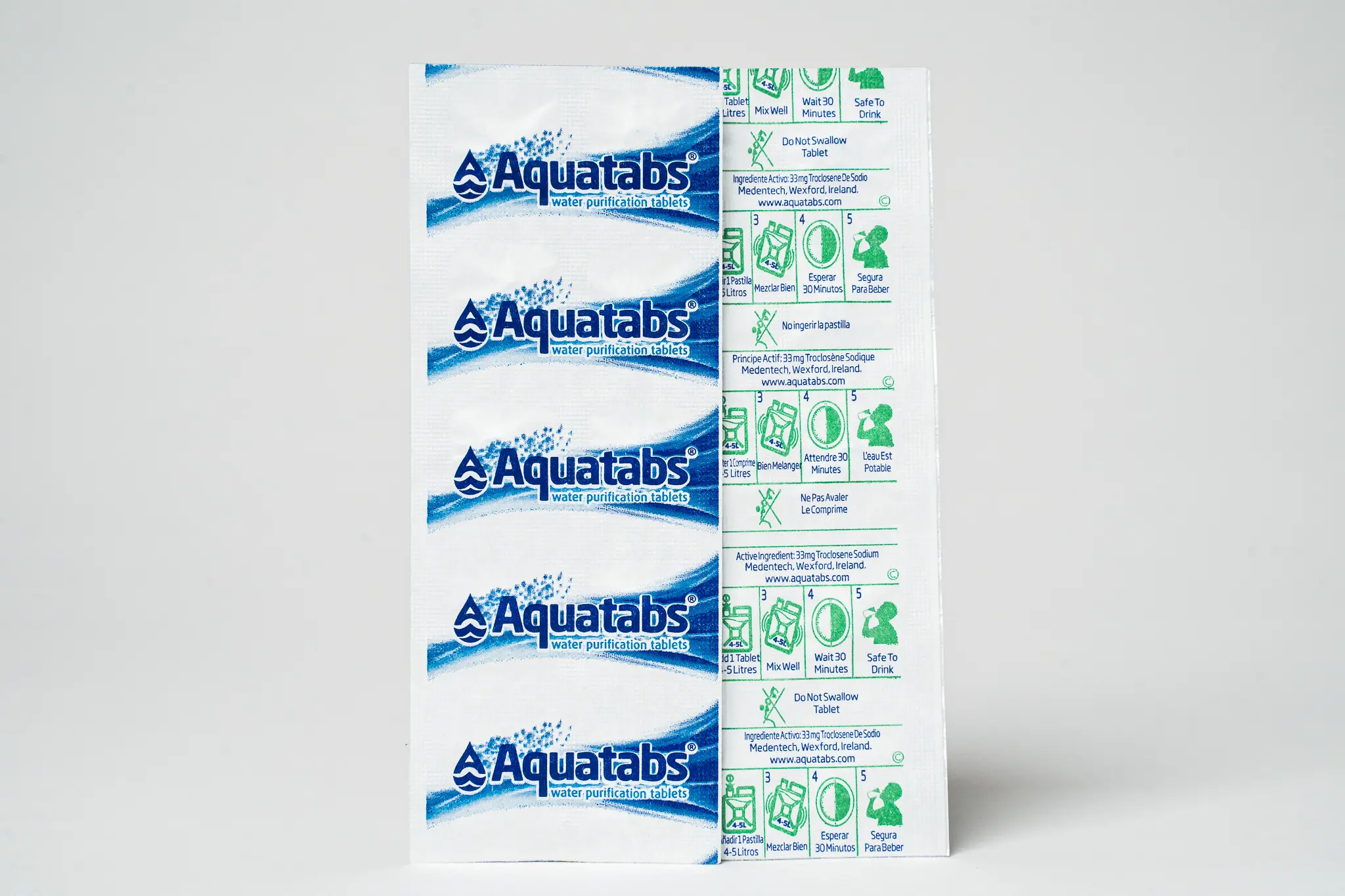
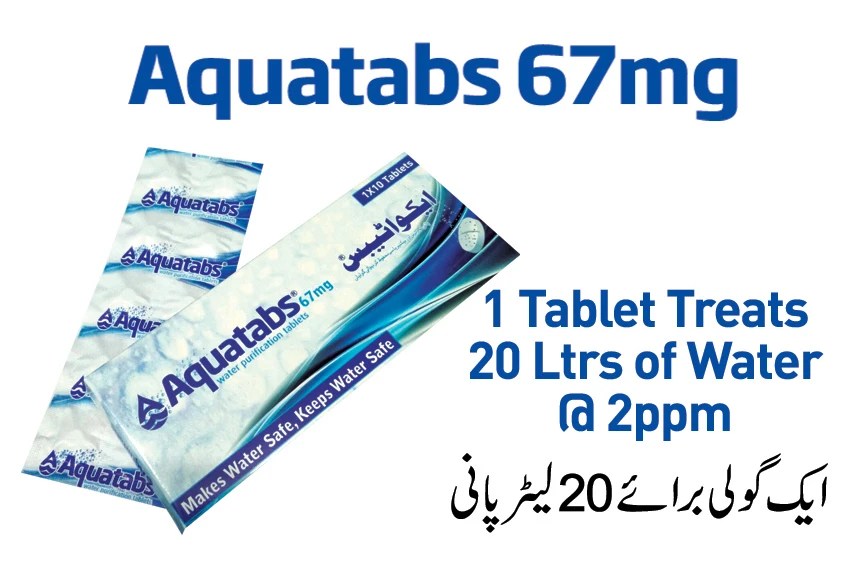
Gujranwala's layered contamination profile cannot be resolved by a single household intervention, and Aquatabs does not claim to remove dissolved heavy metals or arsenic from water. What an Aquatabs tablet does is eliminate the bacteriological risk in stored water, and that is the dominant risk in Pakistan's overall water safety picture. When water is drawn from a borehole, transferred to a container, or kept in a household vessel, microbial contamination can enter or intensify at every stage of that handling chain. Treating stored water with an Aquatabs tablet, following the instructions on the pack, destroys the bacteria and viruses responsible for waterborne diarrhoeal illness, precisely the category of waterborne disease that PCRWR identifies as the most pervasive water quality failure across Pakistan, and the one most directly linked to preventable child illness and death. For households in Gujranwala that rely on groundwater, boreholes, or stored supplies, point-of-use treatment is the most immediate and accessible layer of protection available while structural remediation of industrial contamination pathways remains a longer-term challenge for authorities and regulators.
Sources: PCRWR (Pakistan Council of Research in Water Resources), Drinking Water Quality in Pakistan: Current Status and Challenges, 2023; UNICEF Pakistan, press release March 2023; WHO and UNICEF Joint Monitoring Programme (JMP), Progress on Household Drinking Water, Sanitation and Hygiene 2000-2022; Scientific Reports / Nature Publishing Group, Comparative analysis of heavy metals toxicity in drinking water of selected industrial zones in Gujranwala, Pakistan, 2024; Environmental Earth Sciences, Groundwater quality assessment and human health risks in Gujranwala District, Pakistan.
Check the risk where you live
Answer three quick questions about your own water, and see what it means for your home. It takes less than a minute.
The right products for this
Related reading
- Case study · KarachiKarachi's Tanker Water Crisis: Contamination Risk and the Case for Point-of-Use Treatment
- Case study · LahoreLahore's Compounding Water Crisis: Arsenic in the Aquifer and Contamination in the Network
- Case study · FaisalabadWhen the Ground Itself Cannot Be Trusted: Arsenic and Industrial Contamination in Faisalabad's Drinking Water