
Arsenic and Salinity: The Hidden Chemical Crisis in Multan's Groundwater
5 min read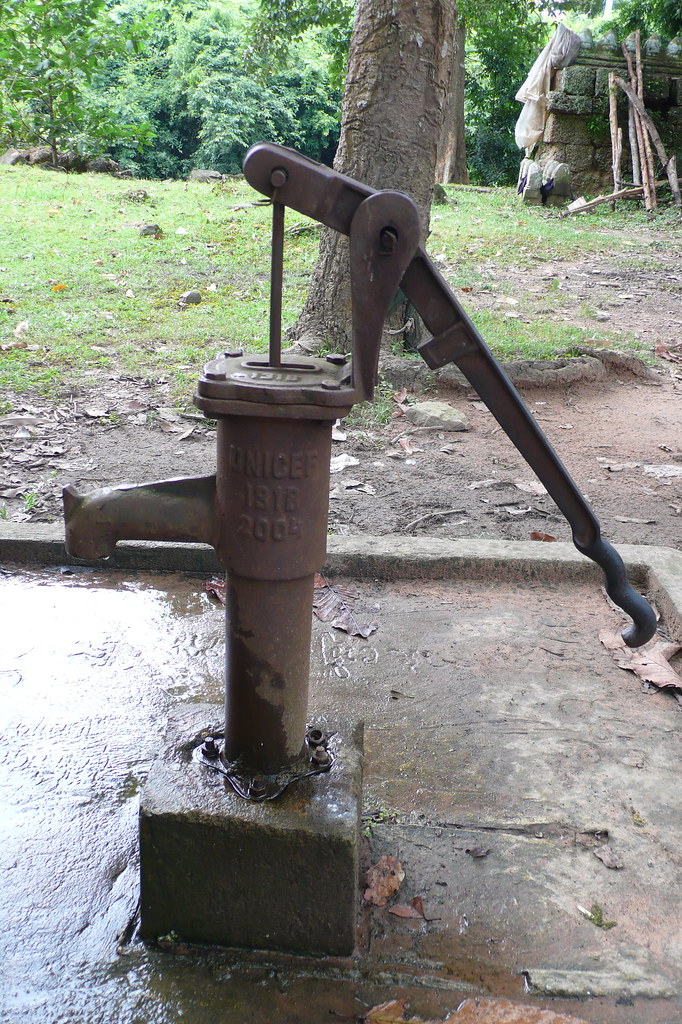
Multan sits in the heart of the Indus alluvial plain, a city of more than four million people whose daily lives depend substantially on groundwater drawn from beneath the ancient flood sediments of southern Punjab. Those sediments, accumulated over millennia, carry a natural geological burden that is invisible to anyone who fills a glass from a tap or a rooftop tank. Arsenic, a tasteless, odourless, colourless metalloid, accumulates silently in the body over years of low-dose exposure, causing harm that announces itself only in the form of chronic disease long after exposure has begun. Salinity, the elevated concentration of dissolved salts in the groundwater, makes the water brackish and in many areas wholly unfit for domestic use. Unlike microbiological contamination, which can cause acute illness within hours, chemical contamination of this kind produces damage that is slow, cumulative, and visible only long after the fact. Understanding the nature of Multan's groundwater problem is the first step toward making protective choices for every person who draws water from these sources.
Arsenic, the Invisible Chemical Hazard
The World Health Organization sets the permissible guideline value for arsenic in drinking water at 10 micrograms per litre (µg/L). Published peer-reviewed surveillance of drinking water sources at primary schools across four tehsils of Multan district found arsenic concentrations ranging from 3.31 to 191 µg/L, with 99.9 percent of sampled sources exceeding this WHO limit. In Multan City tehsil, the highest recorded concentration reached 185 µg/L, more than eighteen times the WHO guideline. Chronic health risk assessments across all four tehsils returned values that exceeded the US Environmental Protection Agency's permissible threshold, indicating a meaningful risk to children from their everyday drinking water, and cancer risk indices similarly surpassed permissible levels across the district. The Pakistan Council of Research in Water Resources (PCRWR), in its 2023 national report on arsenic in groundwater, formally identified Multan as one of the most severely affected cities in Punjab, alongside Lahore, Bahawalpur, and Sheikhupura. Long-term arsenic exposure is associated with skin lesions, cancers of the skin, bladder, and lungs, cardiovascular disease, impaired cognitive development in children, and elevated mortality among young adults, making this a public health emergency that unfolds quietly within the body across decades.
Salinity and the Broader Groundwater Picture
Alongside arsenic, Multan's groundwater carries persistently high concentrations of dissolved salts, making it brackish across many areas and placing long-term stress on the kidneys and cardiovascular system of those who consume it daily. The high water table of the Indus plain, combined with intensive agricultural irrigation and limited natural aquifer recharge, concentrates salts in shallow groundwater, so that water drawn from hand pumps and shallow tube wells in peri-urban and rural areas tends to be the most severely affected. Families who cannot access piped supply or treated water, and who rely on these more accessible but unregulated sources, carry the heaviest burden. The broader national picture compounds this local reality. The WHO and UNICEF Joint Monitoring Programme (JMP), as reported by the World Bank, found that approximately 45 percent of Pakistan's population was using safely managed drinking water services as of 2022, leaving a majority of the country, including a significant share of Multan's households, reliant on water whose chemical and microbiological safety cannot be guaranteed.
Approximately 53,000 Pakistani children under the age of five die each year from diarrhoeal disease caused by contaminated drinking water, according to UNICEF.
Among the specific risks that converge in Multan's context:
- Arsenic: natural geological loading from Indus alluvial sediments, with virtually all tested groundwater sources in Multan district exceeding the WHO limit of 10 µg/L according to PCRWR monitoring and published surveillance
- Salinity: elevated dissolved salts across shallow aquifers, affecting the quality and palatability of water drawn from hand pumps and unregulated tube wells across peri-urban and rural areas
- Microbiological contamination: the same shallow, unprotected sources that carry arsenic and salts also carry faecal pathogens, layering acute biological risk on top of chronic chemical risk
- Household storage risk: water held in overhead and underground tanks accumulates further contamination between source and glass if it is not treated at the point of storage
- Socioeconomic exposure: low-income households depend most heavily on hand pumps and shallow tube wells, the most contaminated sources, while remaining furthest from piped or treated alternatives
Treating Stored Water, a Practical Response
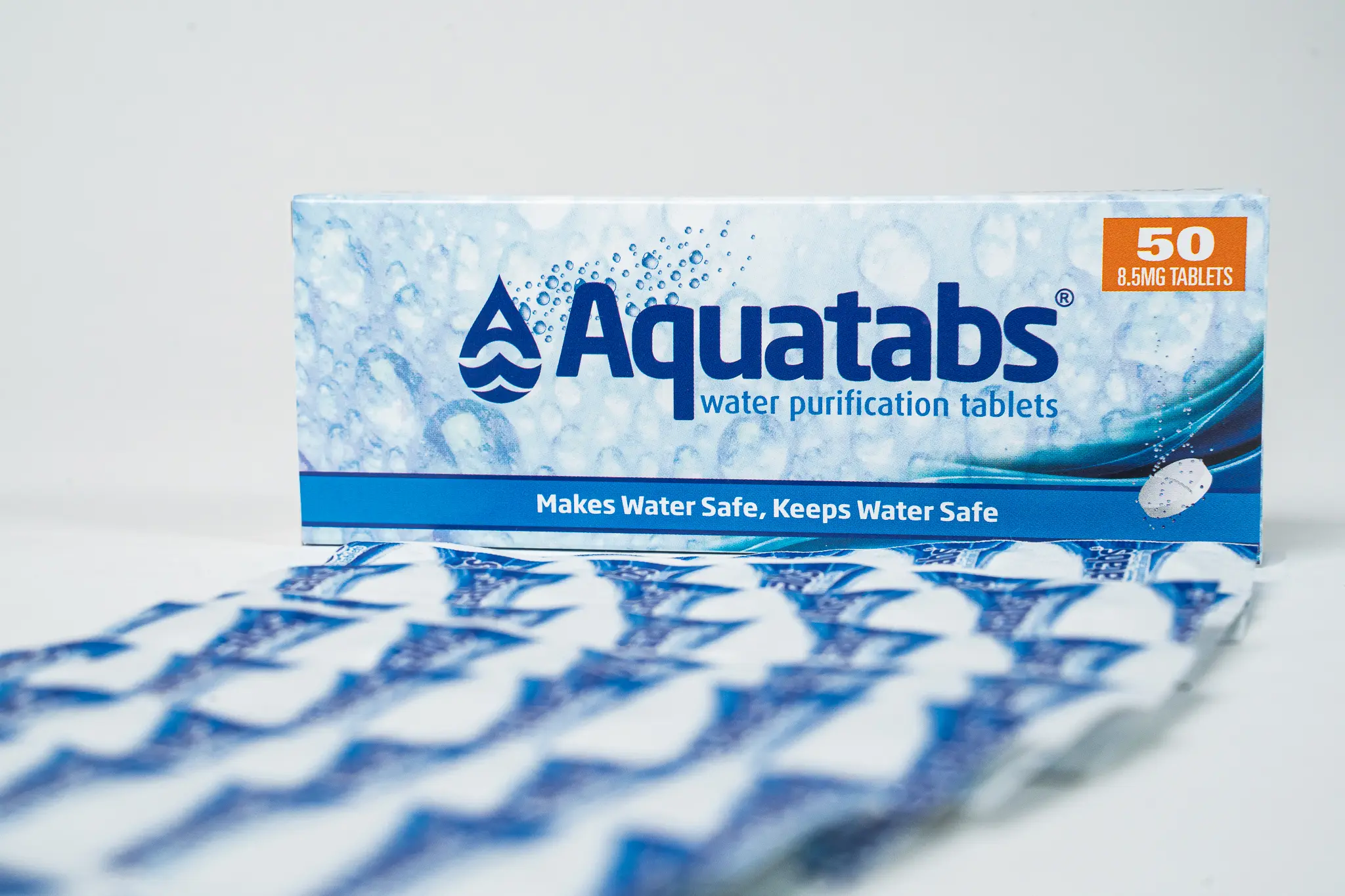
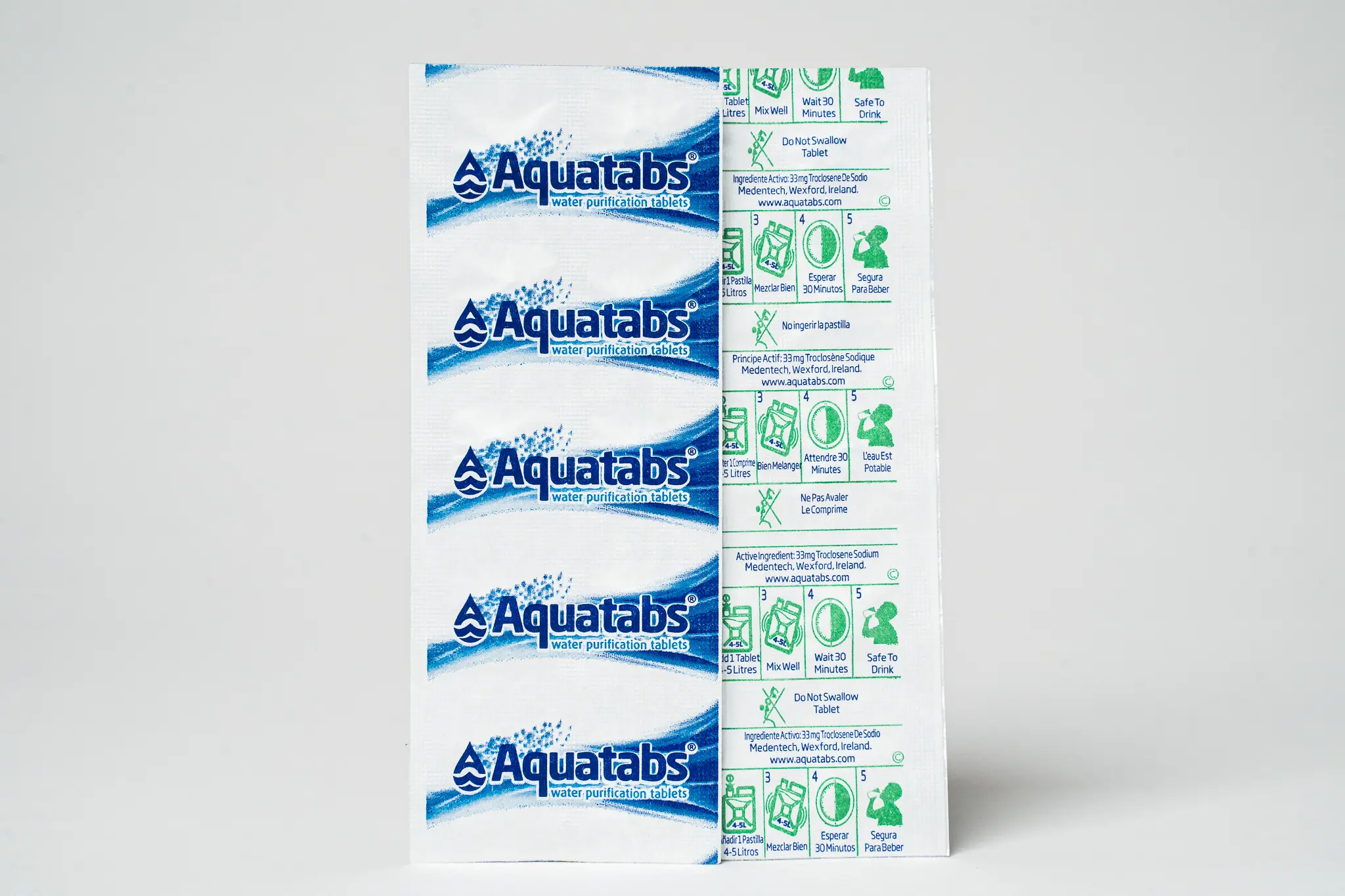
Chemical contamination from arsenic and salinity requires dedicated filtration technology, such as reverse osmosis, to remove dissolved species at the source, and families should pursue this through appropriately certified equipment. However, the microbiological dimension of Multan's groundwater hazard, the one that kills acutely and spreads through stored tank water, can be addressed immediately and at every point of storage with a single tablet. An Aquatabs tablet, dissolved in stored water in the volume that corresponds to the tablet size (follow the directions on the pack for the correct tablet per volume), delivers NaDCC (sodium dichloroisocyanurate), a WHO-approved, US EPA-registered, and NSF-certified active chlorine compound that eliminates bacteria, viruses, and protozoa in stored water. Used by UNICEF, OXFAM, and the International Committee of the Red Cross in emergency and chronic water insecurity situations across more than 120 countries, Aquatabs is manufactured by Medentech in Ireland and has been distributed exclusively across Pakistan since 2008 by Mirza Traders. While a tablet does not remove arsenic or dissolved salts, it addresses the acute biological threat that sits on top of the chronic chemical one, and in a city where the water that reaches a household tank cannot be trusted on any dimension, every layer of protection matters.
Sources: UNICEF; WHO; WHO and UNICEF Joint Monitoring Programme (JMP), reported via World Bank; PCRWR, National Threat of Arsenic in Groundwater (2023).
Check the risk where you live
Answer three quick questions about your own water, and see what it means for your home. It takes less than a minute.
The right products for this

Related reading
- Case study · KarachiKarachi's Tanker Water Crisis: Contamination Risk and the Case for Point-of-Use Treatment
- Case study · LahoreLahore's Compounding Water Crisis: Arsenic in the Aquifer and Contamination in the Network
- Case study · FaisalabadWhen the Ground Itself Cannot Be Trusted: Arsenic and Industrial Contamination in Faisalabad's Drinking Water