
When the River Rises: Flood Inundation and Drinking Water Contamination in Mardan
4 min read
Mardan, situated on the alluvial plains of Khyber Pakhtunkhwa between the Kabul River basin and the Swat River corridor, has long carried two compounding burdens, namely the chronic unreliability of its municipal water supply and the recurrence of seasonal flooding. When monsoon inundation strikes, as it did with historic severity across Pakistan in 2022, the safety of stored household water becomes immediately critical. Floodwaters overtop and infiltrate shallow wells, breach domestic storage tanks, and carry agricultural runoff, raw sewage, and suspended sediment directly into household water sources. At the same time, pressure failures in the piped distribution network permit reverse flow, drawing contaminated surface water back into supply lines. Families who ordinarily cope with a marginal supply find themselves drawing from sources that are visibly turbid and microbiologically unsafe, often without the means to verify or address that risk.
The Waterborne Disease Burden Across Khyber Pakhtunkhwa
A study published in SAGE Open Medicine, drawing on longitudinal data from the Directorate General of Health Services of Khyber Pakhtunkhwa, found that approximately 80 per cent of all infections recorded across the province are waterborne, and that these infections account for roughly 33 per cent of documented fatalities. The pathogens responsible travel through the faecal oral pathway in contaminated water and include Salmonella typhi, the organism behind typhoid fever, hepatitis A and E viruses, and the organisms behind dysentery, giardiasis, and acute watery diarrhoea. Mardan district falls within a high-burden cluster where acute watery diarrhoea and typhoid are simultaneously prevalent, placing exceptional pressure on health facilities that are themselves frequently disrupted by the very flood events that generate each outbreak.
According to the Pakistan Council of Research in Water Resources (PCRWR), only 32 per cent of drinking water sources tested nationally meet basic safety standards, meaning that more than two thirds of the population regularly draw from sources that fail those standards even in the absence of a flood emergency.
Mardan's Particular Vulnerability: River Quality, Supply Disruption, and Stored Water
Even before a flood event, the Kabul River and its tributaries flowing through Mardan carry loads of untreated municipal sewage and agricultural effluent from multiple urban centres upstream. Research published in Scientific Reports has documented that cities including Mardan discharge effluents into the Kabul River directly or through open drains, and that more than 67 per cent of water samples from Mardan show iron contamination in excess of permissible limits, a finding that reflects the chronic, pre-existing pressure on source quality. When seasonal flooding compounds this baseline, the deterioration is rapid. The 2022 monsoon, which the World Bank Post-Disaster Needs Assessment estimated affected 33 million people nationally, caused severe damage to water infrastructure across Khyber Pakhtunkhwa. UNICEF reported, six months after the disaster, that more than 10 million people in Pakistan's flood-affected areas still lacked access to safe drinking water, with 5.4 million, including 2.5 million children, compelled to rely solely on ponds, open wells, and other surface sources.
The risks that converge in Mardan's flood and supply-disruption scenario include:
- Pressure reversal in the municipal distribution network, allowing surface contamination to enter piped supply lines when the system loses positive pressure
- Inundation of shallow wells, which serve as the primary fallback source for many households when piped supply fails
- Contamination of household storage tanks and vessels filled before or during the flood and then used for days or weeks without treatment
- The district's proximity to the Kabul River catchment, which carries combined sewage and industrial effluent from multiple upstream urban centres throughout the year
- Disruption of local health infrastructure during flood events, reducing the capacity to manage the waterborne illness surge that invariably follows
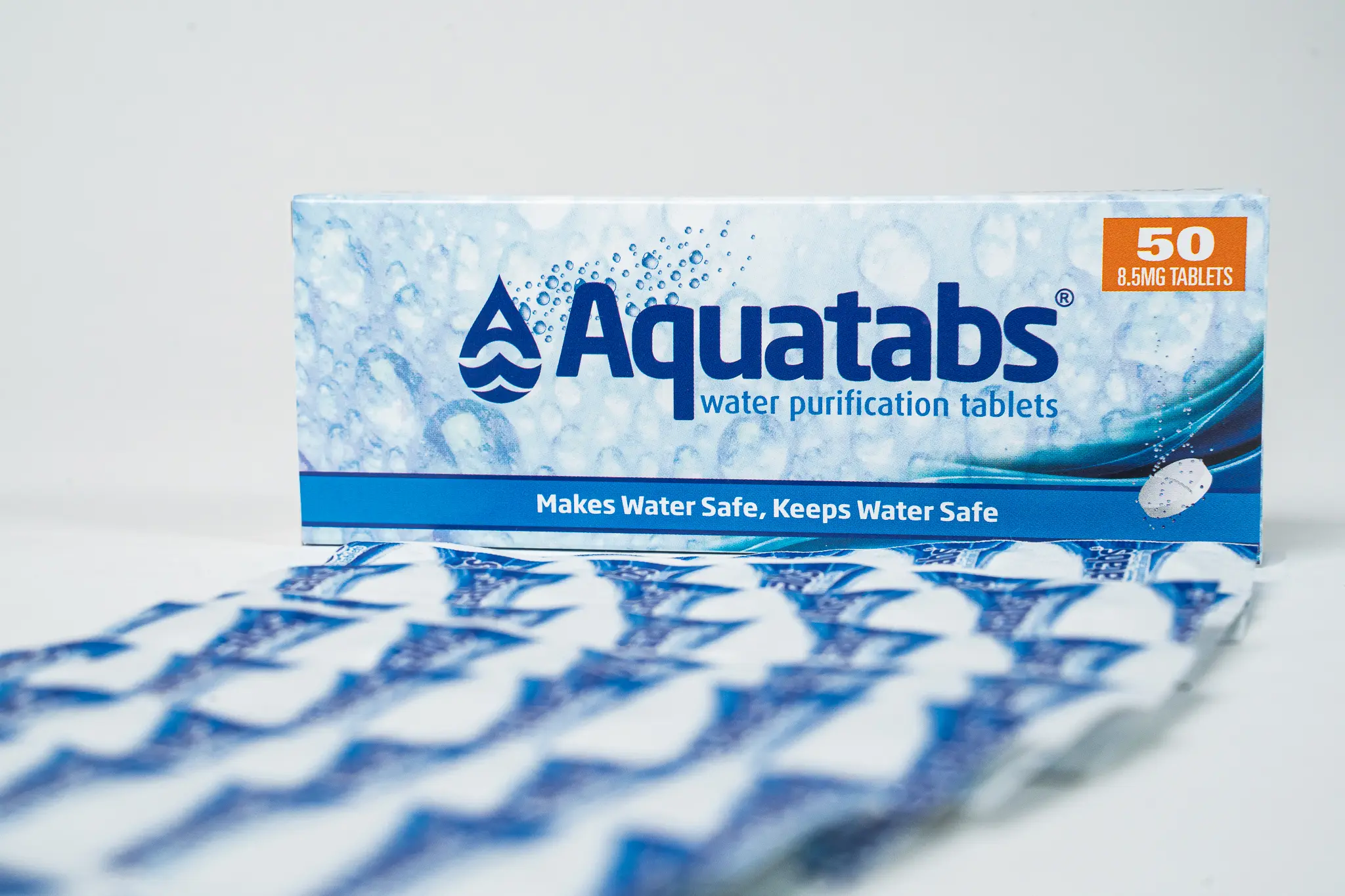
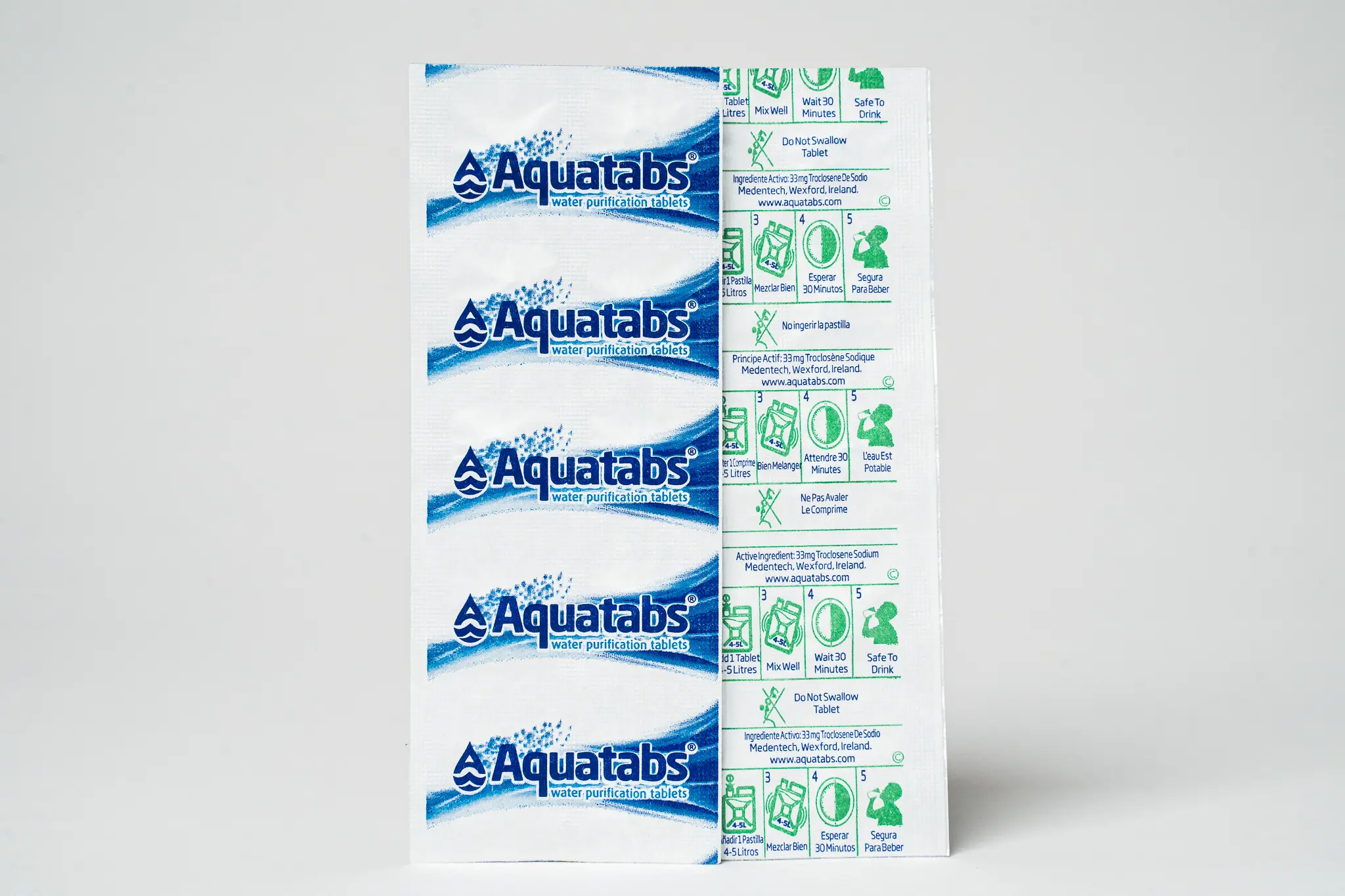
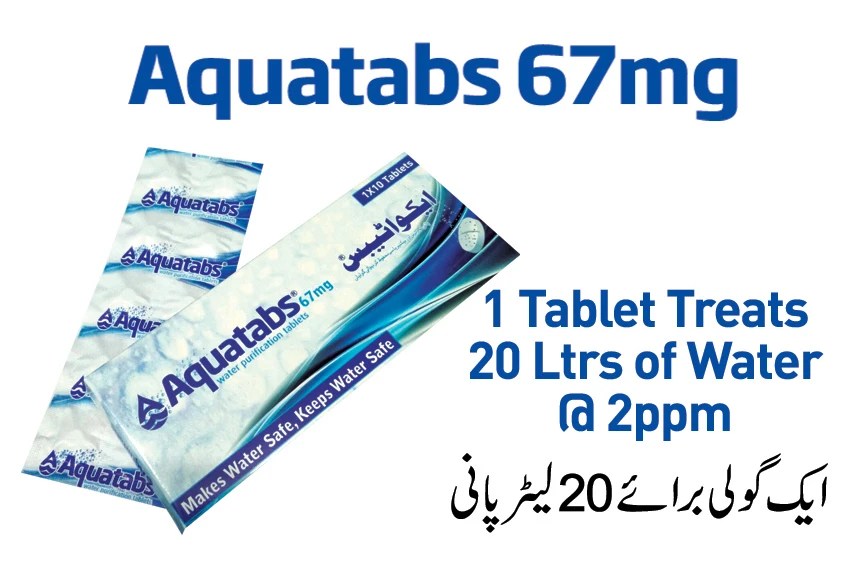
The days and weeks following a flood, or any significant disruption to normal supply, represent the interval at which household water treatment matters most. A vessel filled from a tanker, a well, a stream, or a partially functioning tap may carry invisible microbial contamination even when the water appears completely clear. Turbidity alone is not a reliable safety indicator: water can be visually clear and still harbour Salmonella typhi or the hepatitis E virus, both of which have extensively documented transmission histories through inadequately treated water across Pakistan. Treating stored water with an Aquatabs tablet according to the instructions printed on the pack releases free active chlorine into the vessel, inactivating the bacterial and viral pathogens that drive the disease burden described above. The tablet format requires no additional equipment, no fuel, and no specialist operator, making it suited precisely for the kind of emergency that Mardan households face when seasonal flooding or infrastructure failure disrupts normal supply. The correct dose and contact time are stated on the packaging and should be followed exactly as printed.
Sources: UNICEF Pakistan; Pakistan Council of Research in Water Resources (PCRWR); WHO and UNICEF Joint Monitoring Programme (JMP); World Bank Post-Disaster Needs Assessment 2022; Atif et al., SAGE Open Medicine, 2024; Scientific Reports, Kabul River tributaries water quality study, 2023.
Check the risk where you live
Answer three quick questions about your own water, and see what it means for your home. It takes less than a minute.
The right products for this
Related reading
- Case study · KarachiKarachi's Tanker Water Crisis: Contamination Risk and the Case for Point-of-Use Treatment
- Case study · LahoreLahore's Compounding Water Crisis: Arsenic in the Aquifer and Contamination in the Network
- Case study · FaisalabadWhen the Ground Itself Cannot Be Trusted: Arsenic and Industrial Contamination in Faisalabad's Drinking Water