
When the River Rises: Water Contamination and Flood Risk in Peshawar
5 min read
Peshawar, the ancient capital of Khyber Pakhtunkhwa, sits at the confluence of rivers, mountain streams, and a dense urban water distribution network that was built for a fraction of its current population. Rapid urbanisation, ageing pipe infrastructure, and a monsoon season that grows more intense with each passing decade have combined to make this city one of the most water-vulnerable provincial capitals in Pakistan. The risks are not hypothetical. They are documented, seasonal, and they fall most heavily on children and on households that store water without treating it.
A Chronic Contamination Problem
Research conducted across Peshawar district paints a consistent and troubling picture of municipal water quality. Studies found that 84.35 percent of samples collected at the household end were contaminated with coliform bacteria, rendering the water unsafe for consumption regardless of its condition at the source. The Pakistan Council of Research in Water Resources (PCRWR) has documented bacteriological contamination as the dominant water quality failure across Pakistan's major cities, accounting for 68 percent of all monitored contamination events in a nationwide assessment of 23 cities. This pattern reflects a broader national reality: despite Pakistan's distribution system reaching approximately 92 percent of the population, UNICEF Pakistan reports that only 36 percent of that water is considered safe for consumption.
The gap between pipe coverage and water safety arises from a well-understood mechanism. In many parts of Peshawar, as across urban Pakistan, water mains and sewerage pipes run in close proximity, and intermittent supply pressure allows contaminated groundwater and sewage to enter the distribution system through joints and leaks. What arrives at the tap has already been compromised, and what is then stored in household tanks or open vessels is exposed to further contamination before it reaches the glass. Research on household storage contamination nationally has found that the share of households exposed to high microbial contamination rises from the source to the point of consumption when water is left untreated, meaning that even an acceptable source cannot protect a household that stores water carelessly.
According to UNICEF Pakistan, despite water supply infrastructure reaching around 92 percent of the population, only 36 percent of that water is considered safe to drink.
When the Monsoon Arrives
The second risk layer for Peshawar is seasonal and cyclical. Each monsoon brings the threat of flooding from the Kabul River and its tributaries, a threat that has grown with accelerating glacier melt from the Hindu Kush driven by climate change. The floods of 2022 provided a stark illustration of what this means in practice. Across Khyber Pakhtunkhwa, 4.3 million people were directly affected, 306 lives were lost, and damage to housing and infrastructure ran to tens of thousands of structures. Nationally, UNICEF reported that more than 10 million people in flood-affected areas still lacked access to safe drinking water six months after the water receded, and that at the height of the crisis 5.4 million people, including 2.5 million children, were relying solely on contaminated water from ponds and wells.
Flood events introduce a distinct and acute contamination pathway. When floodwater inundates pump stations, bored wells, hand pumps, and open storage vessels, it carries agricultural runoff, sewage, and debris into supplies that households had no reason to regard as unsafe before the event. Outbreaks of cholera, typhoid, and acute watery diarrhoea consistently follow inundation across Pakistan, as waterborne pathogens that are diluted in flowing water become concentrated in the standing water that communities are left to use. Research published in 2024 by Atif and colleagues in SAGE Open Medicine found that in Khyber Pakhtunkhwa approximately 80 percent of all infections in the province are waterborne, and that waterborne disease accounts for around 33 percent of provincial fatalities. A climate assessment for the province projects a further 10 to 20 percent rise in waterborne and diarrhoeal disease burden by 2050 as monsoon events intensify.
The following risk factors make Peshawar households particularly exposed:
- Ageing distribution infrastructure, with sewer and water mains laid in close proximity, allowing faecal contamination to enter the supply under low-pressure conditions common to intermittent networks
- Household storage tanks cleaned infrequently and left uncovered, creating conditions for microbial growth even when the source water is acceptable at the point of entry into the home
- Seasonal flooding from the Kabul River and monsoon drainage, which overwhelms sewerage systems and inundates wells and pump stations with contaminated agricultural and urban runoff
- Documented increases in acute watery diarrhoea and typhoid fever in Peshawar and Nowshera during and after monsoon periods
- A provincial climate projection anticipating a 10 to 20 percent rise in waterborne and diarrhoeal disease by 2050 as the intensity of monsoon flooding grows
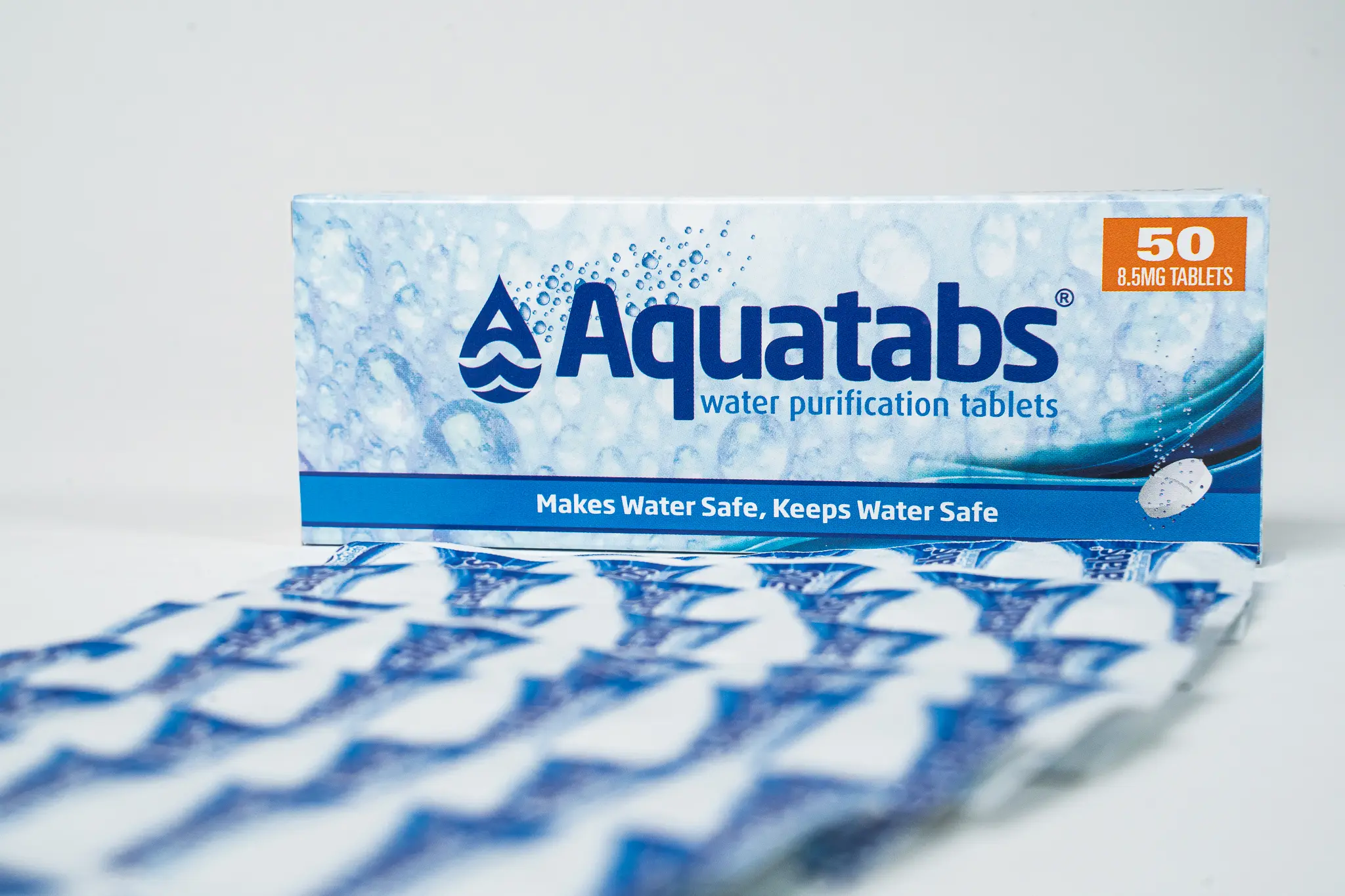
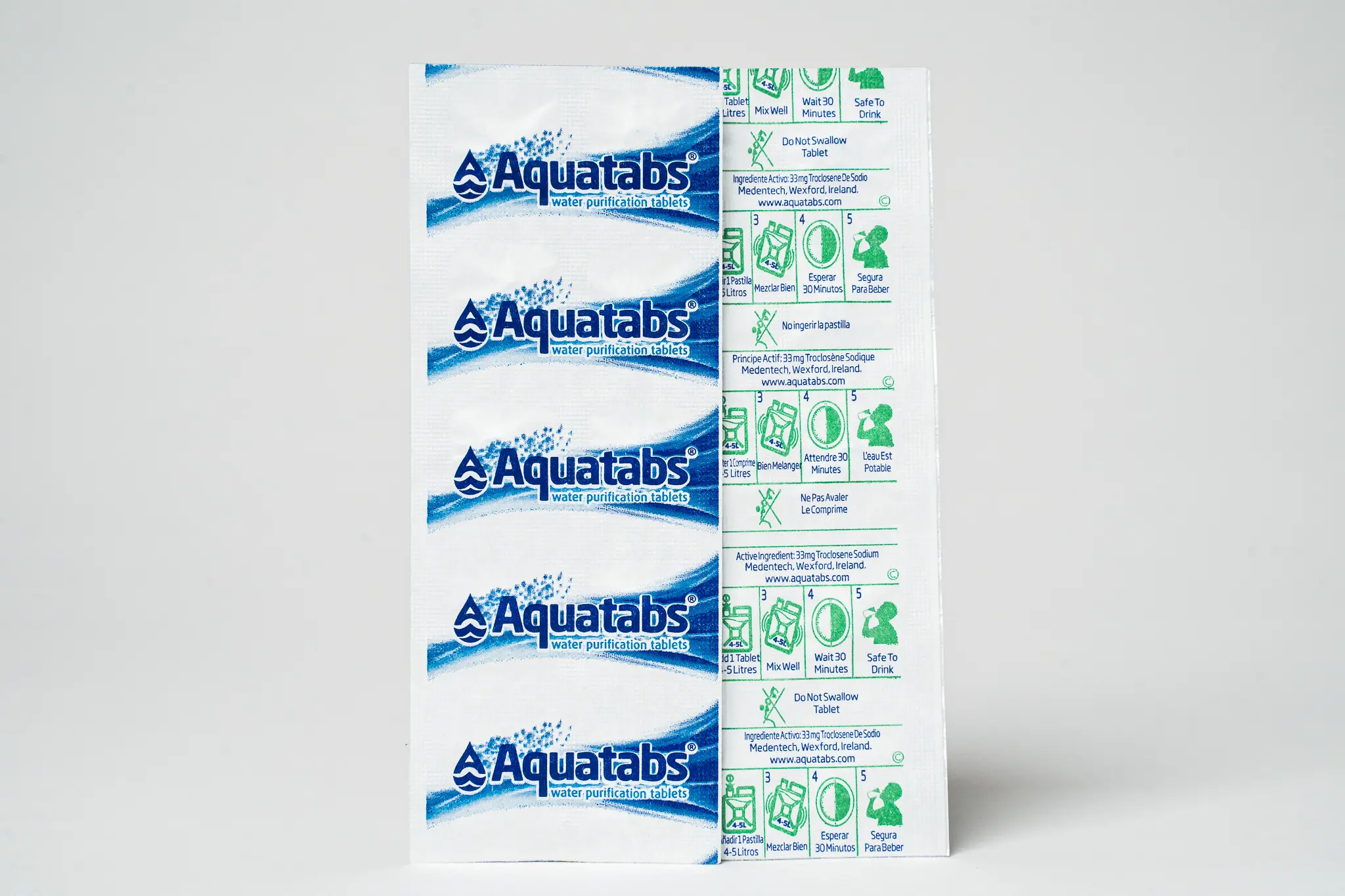
The risks described here, chronic pipe contamination, household storage deterioration, and the acute shock of monsoon flooding, all share a common resolution point at the moment of consumption. Water that has travelled from a compromised source, through ageing pipes, and into an uncovered storage vessel can be made safe by treating it with an Aquatabs tablet before drinking. Aquatabs is a proven, WHO-referenced point-of-use water treatment product manufactured by Medentech to certified standards. A single tablet, used according to the instructions on the pack, releases a measured dose of sodium dichloroisocyanurate that eliminates the bacterial and viral pathogens responsible for diarrhoea, typhoid, and cholera. For Peshawar households, and especially for families with young children who bear the greatest burden of waterborne illness, consistent point-of-use treatment with Aquatabs is not a precaution reserved for flood emergencies. It is a daily habit with the capacity to protect against the contamination that the city's infrastructure cannot yet prevent.
Sources: UNICEF Pakistan (WASH programme data, unicef.org/pakistan); WHO and UNICEF Joint Monitoring Programme for Water Supply, Sanitation and Hygiene (JMP 2023 report); Pakistan Council of Research in Water Resources, Drinking Water Quality in Pakistan: Current Status and Challenges (2023, pcrwr.gov.pk); Atif M. et al., "Evolution of Waterborne Diseases: A Case Study of Khyber Pakhtunkhwa, Pakistan," SAGE Open Medicine, 2024 (PMC11292715); UNICEF press release, "More than 10 million people, including children, living in Pakistan's flood-affected areas still lack access to safe drinking water," March 2023; GAVI Vaccines Work, "New climate report in Khyber Pakhtunkhwa warns of grave health impacts by 2050."
Check the risk where you live
Answer three quick questions about your own water, and see what it means for your home. It takes less than a minute.
The right products for this

Related reading
- Case study · KarachiKarachi's Tanker Water Crisis: Contamination Risk and the Case for Point-of-Use Treatment
- Case study · LahoreLahore's Compounding Water Crisis: Arsenic in the Aquifer and Contamination in the Network
- Case study · FaisalabadWhen the Ground Itself Cannot Be Trusted: Arsenic and Industrial Contamination in Faisalabad's Drinking Water