
Scarce Wells, Saline Water and Recurring Drought: The Water Safety Crisis in Tharparkar
4 min read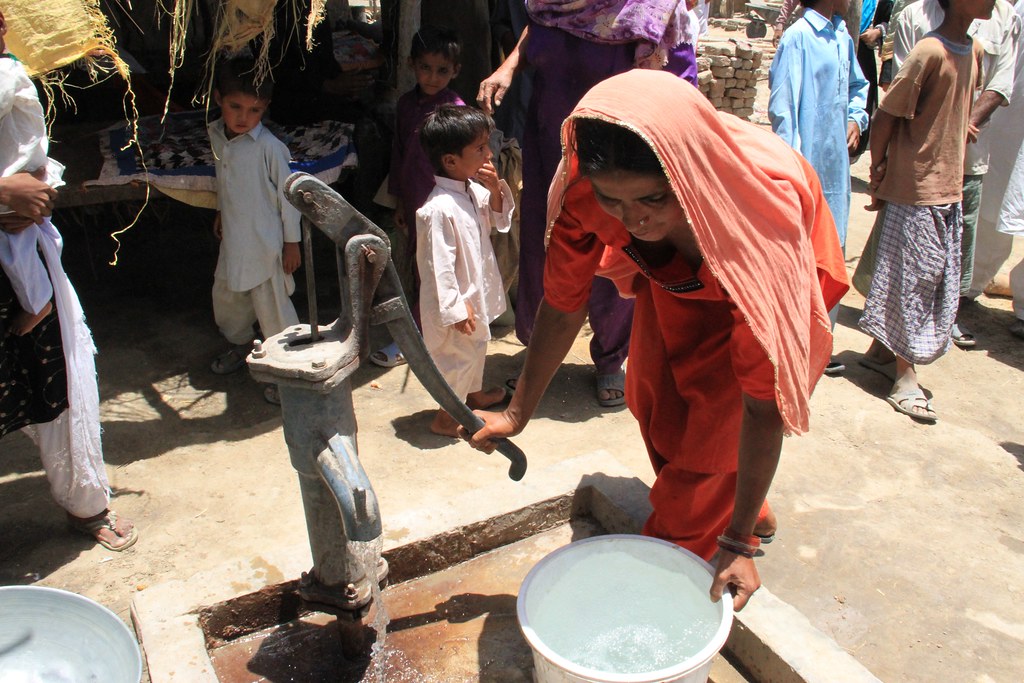
In Tharparkar district, on the edge of the Thar desert in Sindh province, the very act of fetching water is a feat of endurance. The district receives among the lowest rainfall in Pakistan, its aquifers lie deep and are overwhelmingly brackish, and prolonged droughts, recurring across consecutive years, force families to draw from whatever source remains, however distant, however degraded. The result is a compounding crisis in which physical water scarcity and microbiological contamination arrive together, each making the other more dangerous.
The Character of the Groundwater
Research published by the Pakistan Council of Research in Water Resources (PCRWR) and peer-reviewed studies on the Tharparkar aquifer have established that the groundwater of this region is predominantly saline to brackish, with total dissolved solids (TDS) in surveyed wells ranging from 800 to over 11,000 milligrams per litre. The WHO guideline for drinking water places the upper desirable limit at 600 mg/L and the absolute maximum at 1,000 mg/L, meaning that a large portion of tested sources in Tharparkar exceed safe thresholds by a very wide margin. Elevated fluoride concentrations, recorded between 0.93 and 11.8 milligrams per litre across sampling sites, greatly exceed the WHO limit of 1.5 mg/L and carry a documented risk of dental and skeletal fluorosis with long-term exposure. Arsenic has also been detected, with concentrations reaching as high as 80 micrograms per litre in some samples, well above the WHO permissible limit of 10 micrograms per litre. Beyond chemical contamination, a study of drinking water from five talukas of Tharparkar district conducted between December 2021 and May 2022 found Escherichia coli in 40 percent of collected samples, confirming widespread microbiological hazard at the very point of consumption.
Drought, Distance and the Concentration of Risk
Tharparkar's water crisis is not simply a question of chemical quality but of acute physical shortage. Low annual rainfall, high evapotranspiration rates, the absence of perennial rivers or streams, and minimal groundwater recharge combine to make the district extraordinarily vulnerable to consecutive dry years. During the droughts that affected the region across multiple years from 2014 to 2017, health authorities reported that families were travelling an average of 17 kilometres to reach the nearest health facility. Water sources that would ordinarily be considered marginal became the only sources available, and when contaminated water is the sole option, the consequences fall hardest on young children. In 2016 alone, more than 190 children died in Tharparkar and over 22,000 people were hospitalised as a direct consequence of drought-related waterborne and viral diseases. A hospital-based study from the district found that 48 percent of children admitted presented with severe acute malnutrition, a condition which diarrheal disease caused by contaminated water actively worsens, because repeated gut infection impairs the absorption of nutrients even when food is otherwise available.
According to a United Nations assessment cited by multiple monitoring bodies, despite Pakistan's drinking water supply system reaching 92 percent of the population, only 36 percent of that water is considered safe for consumption.
The principal risks faced by communities in and around Tharparkar include:
- Saline and high-TDS groundwater that exceeds WHO chemical thresholds by multiples, not merely by margins
- Elevated fluoride and arsenic in well water, requiring treatment beyond the reach of basic filtration
- Bacterial contamination, including E. coli, detected in 40 percent of well water samples across five talukas of the district
- Extreme distance from safe municipal supply, leaving rural communities wholly dependent on untreated groundwater for all household needs
- Drought-driven source concentration, where falling water tables force multiple households to share a single, already compromised well
- Diarrheal disease compounding malnutrition among children, creating a cycle in which contaminated water and undernutrition each worsen the other
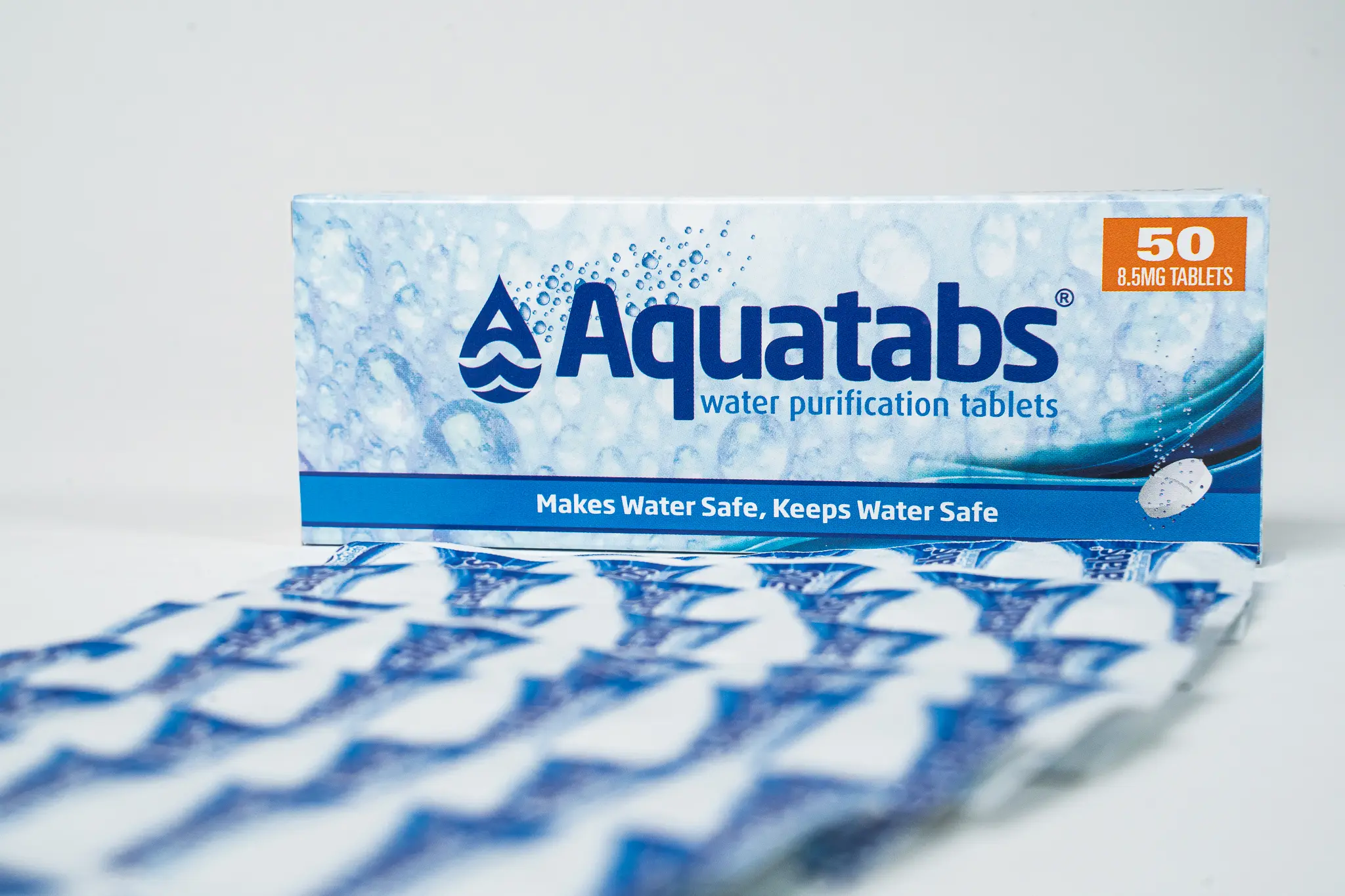
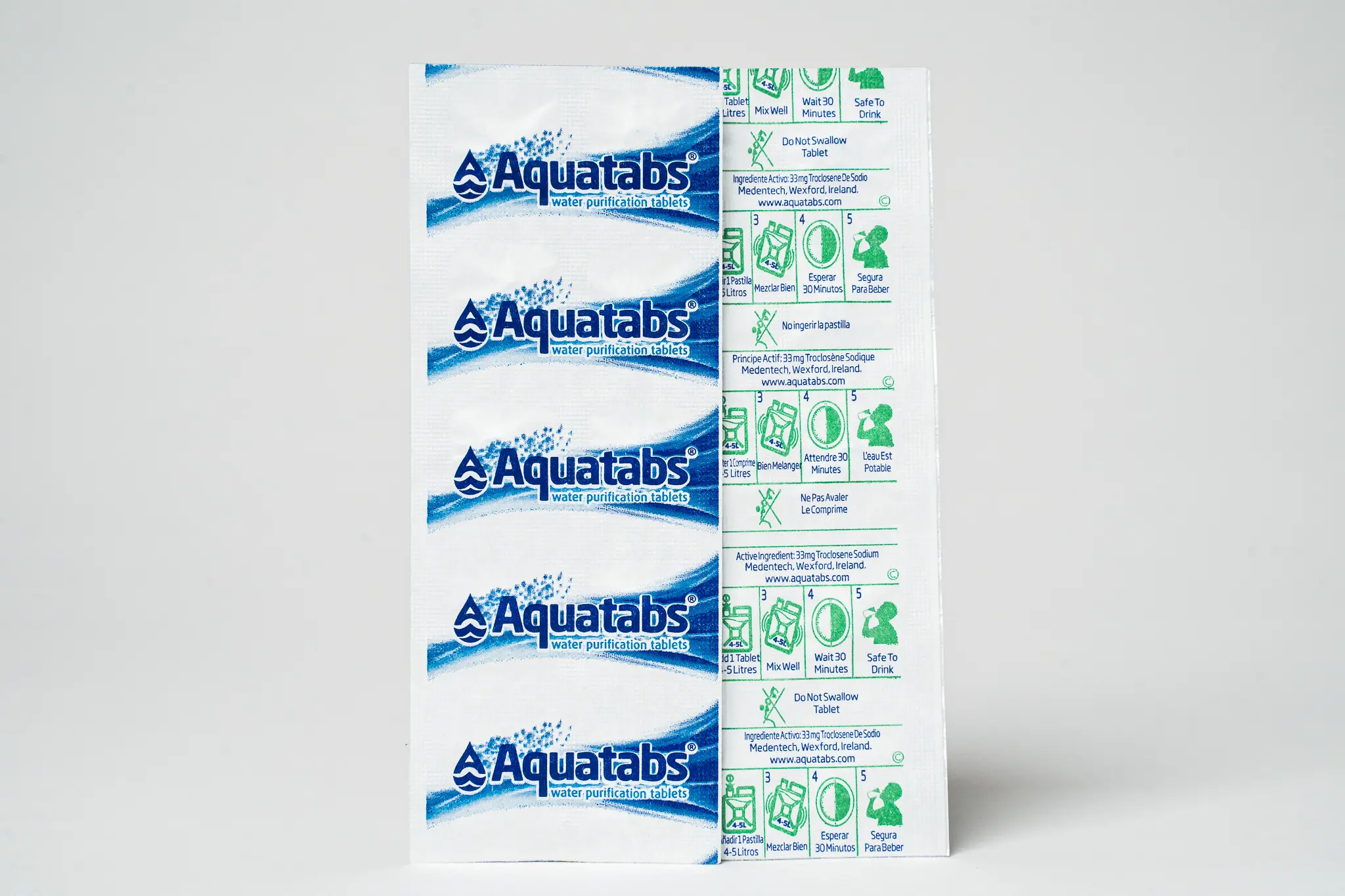
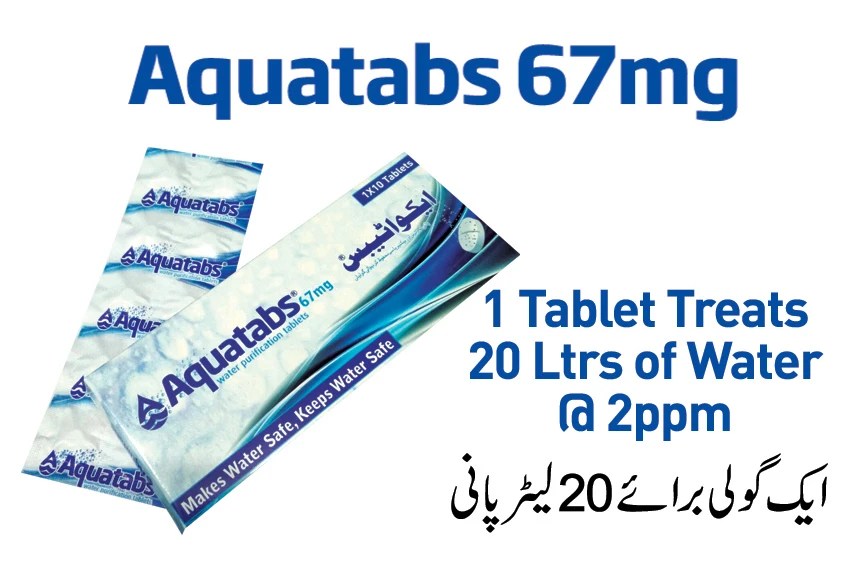
Where water must be carried over long distances and stored before use, the period of storage is itself a contamination event: water that leaves a source in a relatively safe condition can acquire a substantial microbial load in containers handled by many hands across many hours. A chlorine-based water purification tablet, used as directed on the packaging, destroys the bacterial and viral pathogens, including E. coli and enteric viruses, responsible for the diarrheal diseases documented at such devastating scale in Tharparkar. Aquatabs tablets, distributed across Pakistan by Mirza Traders, provide a portable and verifiable means of treating stored water at the household level, requiring no electricity, no infrastructure, and no technical expertise, making them particularly suited to the desert conditions and long distances that define daily life across Tharparkar.
Sources: WHO and UNICEF Joint Monitoring Programme (JMP), Progress on Household Drinking Water, Sanitation and Hygiene 2023; PCRWR, Beneath the Sands: A Comprehensive Study of Groundwater in Tharparkar Region; Pakistan BioMedical Journal, Isolation of E. coli and Klebsiella from Drinking Water of District Thar (2022); Engineering Technology and Applied Science Research, Groundwater Quality of Islamkot, Tharparkar (2019); PMC9464874, Water Insecurity in Pakistan; PMC5954361, Determinants of Severe Acute Malnutrition in Tharparkar; The New Humanitarian, Tharparkar drought child deaths (2016).
Check the risk where you live
Answer three quick questions about your own water, and see what it means for your home. It takes less than a minute.
The right products for this
Related reading
- Case study · KarachiKarachi's Tanker Water Crisis: Contamination Risk and the Case for Point-of-Use Treatment
- Case study · LahoreLahore's Compounding Water Crisis: Arsenic in the Aquifer and Contamination in the Network
- Case study · FaisalabadWhen the Ground Itself Cannot Be Trusted: Arsenic and Industrial Contamination in Faisalabad's Drinking Water